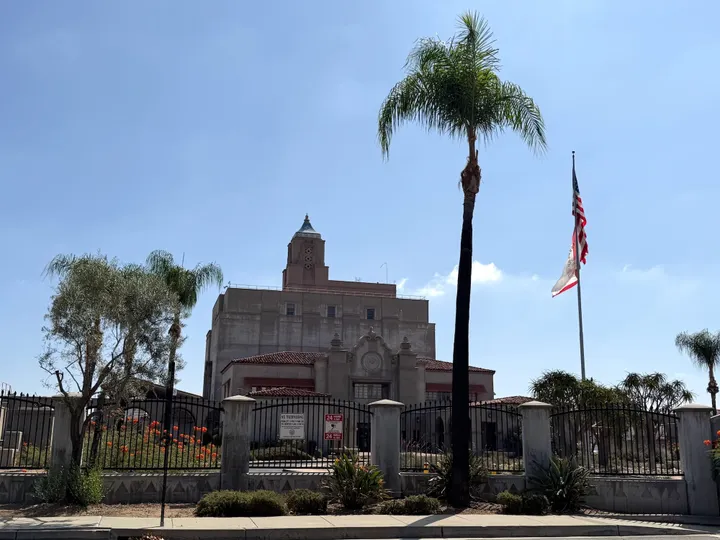
Growing Up and Growing a City
Martin Lomeli went from playing among orange groves to helping guide his hometown through three decades of change.
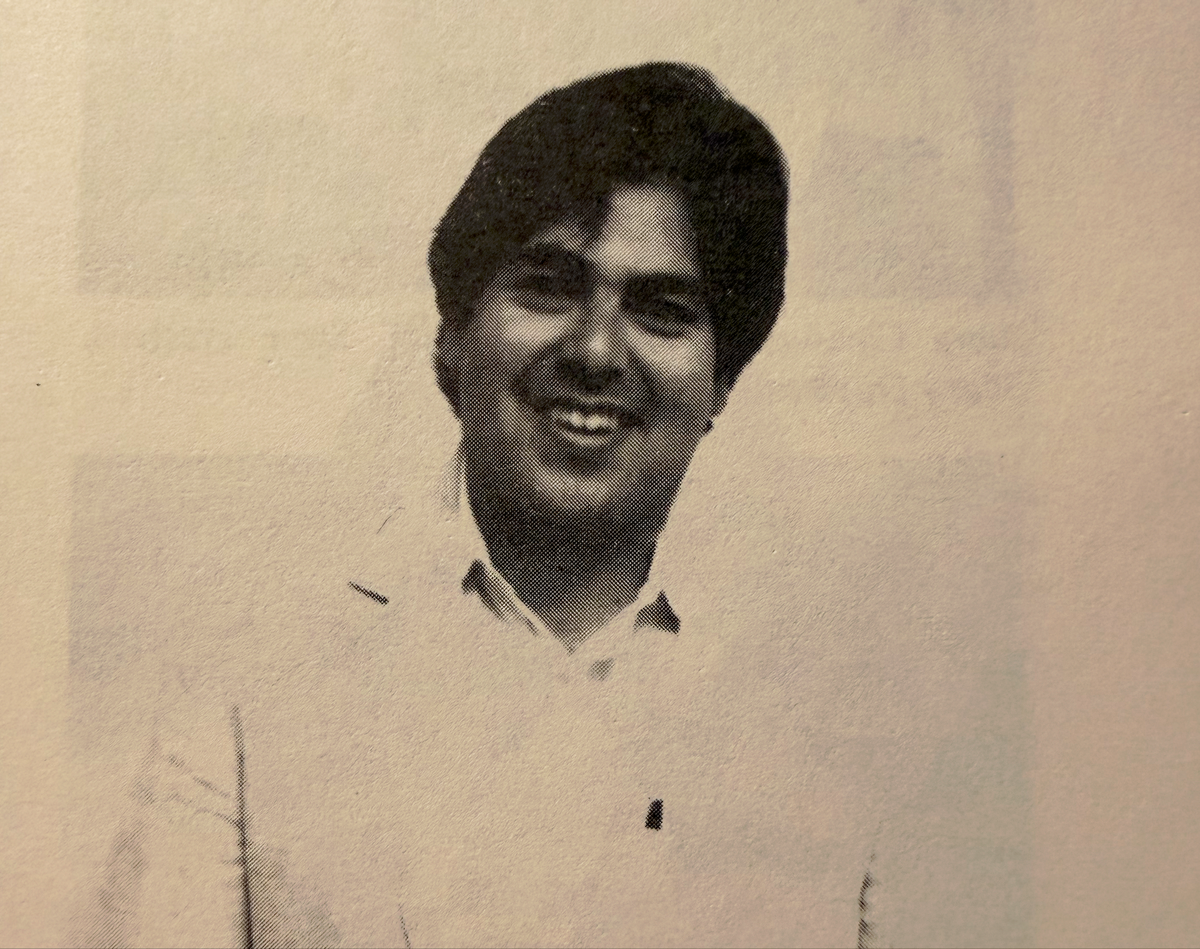
Martin Lomeli remembers when orange groves were part of everyday life in La Verne—not just a nod to the City’s “Heart of the Empire” past.
He grew up playing among those groves, attended Damien High School and the University of La Verne, and later helped guide his hometown through decades of change. During more than 30 years with the City, including 23 years as city manager, Lomeli worked to preserve La Verne’s small-town charm as the citrus community of his childhood became part of an increasingly urban Southern California.
Now retired, Lomeli reflects on the experiences that shaped his career, the decisions that helped shape modern-day La Verne and the community he has long called home.
Lomeli’s connection to La Verne began long before he became city manager. He grew up in an adobe house near Kuns Park on Magnolia Avenue, built by his father when he was 1. Previously, his family lived on F Street. He fondly remembers his childhood years when orange groves lined Foothill Boulevard and Bonita Avenue. His home was modeled after the adobe house where his mother Esperanza grew up in Mexico. Some of his favorite childhood memories include riding his bike to Kuns Park, flying model airplanes over Grace Miller Elementary School, playing in the neighborhood near Hillcrest Senior Living—which was surrounded by orange groves—making almost daily visits to the La Verne Library on Bonita Avenue, and attending La Verne Fourth of July and Christmas events. He was also a member of Boy Scout Troop 423. Lomeli attended Holy Name of Mary in San Dimas for elementary and middle school before graduating from Damien High School in 1974.
“As a child, I often visited the Claremont Village with my family after school, and I can still clearly picture the orange groves and agriculture along our drive through Bonita Avenue and Foothill Boulevard,” Lomeli said. “La Verne and its neighboring cities of Claremont and San Dimas have evolved quite a bit over the years.”
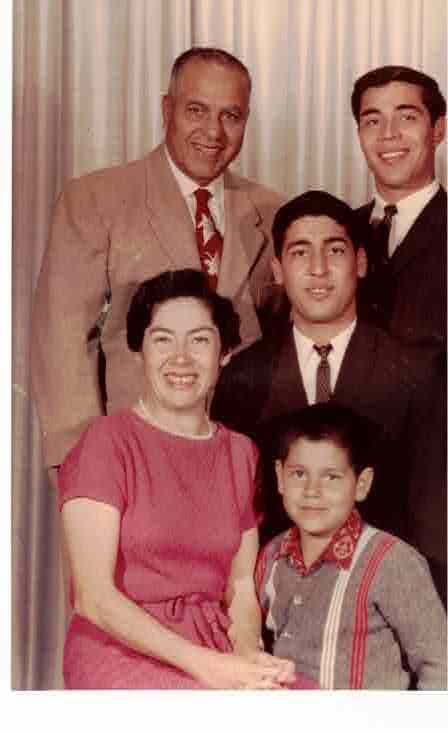
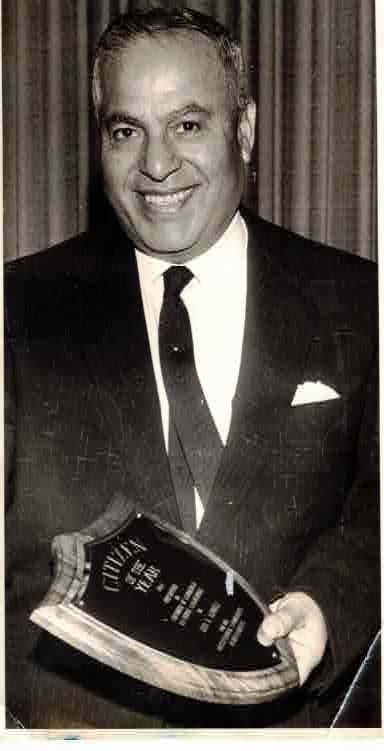
Lomeli said his father, Leo, played a significant role in shaping his connection to La Verne. Leo moved to the city with his wife, Esperanza, in 1943. He became the Santa Fe Railroad station agent and later served 12 years as La Verne’s first Hispanic City Council member. As a founding parishioner of Holy Name of Mary, he also played an instrumental role in the purchase and development of Damien High School and was named La Verne Citizen of the Year in 1964. Lomeli described his father as a self-taught “Renaissance man” whose interests ranged from art and music to public service.
Lomeli’s interest in city government was sparked by his parents. They frequently discussed politics at home after emigrating from Jalisco, Mexico, in pursuit of a better life for their family. His father’s service on the City Council and his family’s conversations about politics shaped Lomeli’s early understanding of public service.
“My first memory related to city politics was listening to my parents discuss various political issues when my dad would come home from a day’s work,” Lomeli said. “I then read the Pomona Progress Bulletin (now Inland Valley Daily Bulletin) every day for more news related to my parents' discussions.”
Lomeli said his family experienced prejudice for being Hispanic, but never in La Verne. He described La Verne as an accepting community and credits the La Verne Church of the Brethren for helping make it that way.
That early interest led Lomeli toward a career in municipal government. He initially planned to become a city attorney, but changed course while attending the University of La Verne. There, he connected with local government leaders who helped launch his career, including City Attorney Walker Downs, former Mayor Owen Lewis, and City Manager George Caswell, who, with his father, opened the door to a city government career. ULV political science professor Fred Sharp, a former Pomona City Manager, was also instrumental in starting his career. Caswell hired Lomeli as a paid intern while he was a junior. Earning $3.50 an hour, Lomeli helped manage senior and youth programs for La Verne and San Dimas before becoming a personnel programs coordinator in 1976. He credits Jeff Allred, former La Verne assistant city manager, for helping him as coordinator.
After graduating from ULV in 1978 with a bachelor’s degree in history, Lomeli continued building his career in local government. He worked as an administrative assistant for the City of Rosemead before returning to La Verne. In 1981, Perry Beck, former city manager of La Verne, hired Lomeli as assistant city manager. At the time, La Verne was the fastest-growing city in the San Gabriel Valley. Then, Lomeli became La Verne city manager in 1987 and served in that position for 23 years before retiring in 2010, surpassing his original goal of serving for 20 years. (His personal ambition was to exceed Caswell’s 18 years as city manager.)
During his city manager tenure, Lomeli helped guide some of La Verne’s most significant development projects, including the Foothill Boulevard Corridor, which attracted new businesses and restaurants while preserving the historic character of Old Town La Verne. Then, he played a key role in revitalizing downtown La Verne into a destination area. He describes downtown La Verne as being “pretty dull” when he began his career with the city in the 1970s. He encouraged outdoor dining at Old Town restaurants such as Warehouse Pizza and Allegro Italian Restaurant. He encouraged the establishment of unique boutique shops. And while he said balancing the city’s budget each year and resolving salary issues were among the most challenging aspects of the job, Lomeli said having his hands on the city’s distinctive measured growth is what he is most proud of.
“The achievement that stands out to me the most is the growth and development of both the city’s employees and La Verne itself, especially the implementation of La Verne Fire Station No. 3.” He said he enjoyed creating strong teams, developing staff and building partnerships with the University of La Verne. He worked closely with former La Verne Mayor Jon Blickenstaff, who served for 27 years and frequently ran unopposed.
Lomeli credits much of his success to collaboration between the City Council and City staff. Although he said he never wanted to be in the spotlight or remembered for individual recognition, he hopes people understand the work he did to help move the city forward. He orchestrated an immense amount of work between the City Council and city staff. “As city manager, I was always the parachute, helping things work behind the scenes.”
Since retiring, he has continued serving communities as interim city manager in Irwindale, La Puente and Morro Bay. He and his wife, Roni, now live in Morro Bay, closer to family. They have two daughters, Lacey and Emily, and a grandchild Leo.
But retirement and distance have not loosened Lomeli’s connection to La Verne. He still follows city news and watches City Council meetings. After all, La Verne remains his hometown.
Local Events Calendar