How One Week at ULV Built Lasting Friendships
The University of La Verne hosts PALS' inclusive summer camp, where friendships and confidence grow side by side.
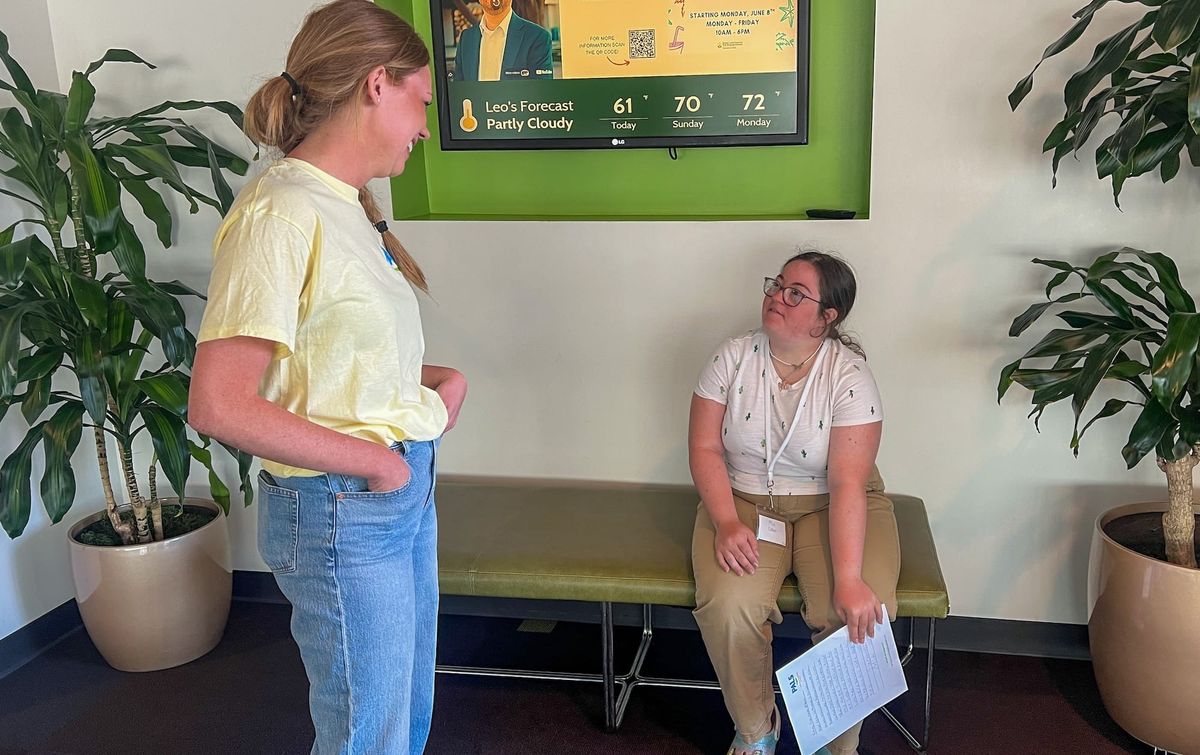
For one week at the University of La Verne, strangers became teammates, friends and, in some cases, family.
That was the goal of PALS, a nonprofit organization that pairs people with and without Down syndrome for a week of activities designed to build independence, friendship and belonging. The organization recently hosted its weeklong Los Angeles summer camp on the ULV campus.
PALS Executive Director Shelby Jones said the campus has become an ideal home for the program.
"ULV is the perfect location. The facilities are great, but more than anything, our partnership stands out. They are incredibly kind to us."
By the end of the week, many participants said they were leaving with relationships that would last long after camp ended.

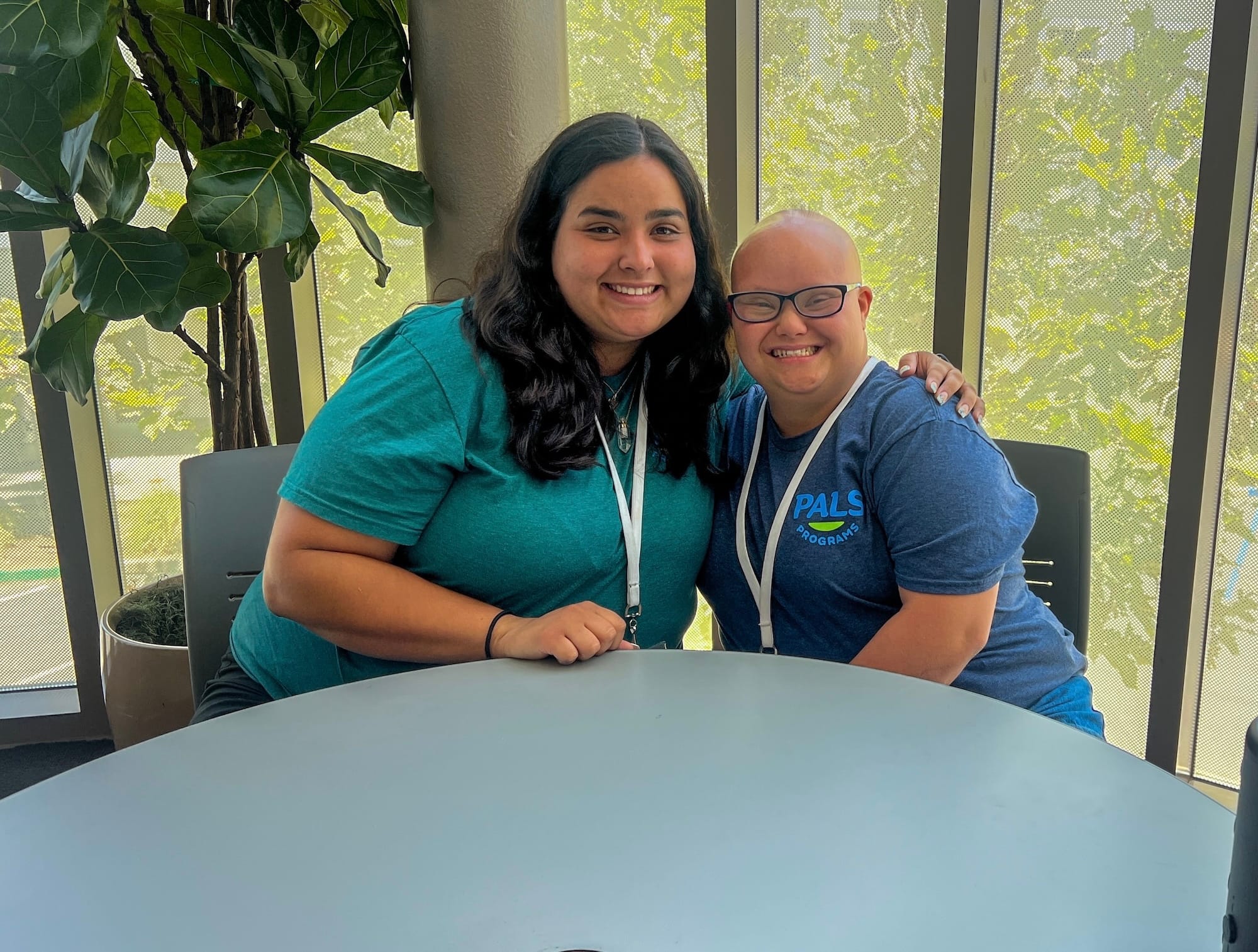
Christopher Lopes self-advocacy committee chair and participant was paired with Calah Rounsaville for the week.
Lopes and Rounsaville found they built a strong friendship throughout the week.
“We did [build a friendship], not as friends, but also as brother and sister,” Lopes said.
Rounsaville said one of her favorite memories came during bus rides, when Lopes enthusiastically sang songs from Camp Rock.
“I was really tired, and respectfully, I didn’t want to hear him sing. So, he would look at me and just lip-sync all the lyrics and dance,” Rounsaville said. “That stuck out to me because it was like, regardless of if he needed to use his voice or not, he was going to sing, I really like that.”
Throughout the week, participants took part in activities, outings and team-building experiences while paired one-to-one, with each participant with Down syndrome matched with a volunteer partner.
Volunteer program lead Bobby Olejarczyk said planning for the summer camp begins months in advance.
Organizers start preparing in February by selecting weekly themes, arranging outings, building community partnerships and working with families to ensure participants are ready for camp.
Olejarczyk said the Los Angeles camp was originally scheduled to launch in 2020 but was canceled because of the COVID-19 pandemic. It eventually began as a two-day, non-overnight program before growing into the weeklong experience held today.
"They are a part of something bigger," Olejarczyk said of participants and volunteers. "PALS is a national organization that looks to combine people with and without Down syndrome into one summer camp. I see it as a very formative time for them, essentially to grow, to engage with populations that they wouldn't have otherwise."
The idea for PALS began more than two decades ago when founder Jenni Newbury Ross realized there wasn't a place where she and her brother, Jason Newbury, who has Down syndrome, could spend time with friends together.
In 2004, Ross brought together her friends and her brother's friends to create an environment where people with and without Down syndrome could build genuine relationships. That gathering eventually grew into the national nonprofit organization.
One of the week's most meaningful activities took place July 3, when participants wrote letters to parents expecting a child with Down syndrome.
Jones said the letters are intended to offer encouragement to families who may feel uncertain after receiving a diagnosis.
"A lot of times families, when they find out that their child will have Down syndrome, are met with all of the fears, all of the challenges, all of the anxieties of what that life could look like," Jones said. "These letters are meant to inspire these families and to give them hope for what their child's life can look like."
Jones said the camp also gives participants with Down syndrome opportunities to experience greater independence.
"I think our participants with Down syndrome experience these moments of great independence," Jones said. "Experiencing this level of independence and this level of choice is a moment for them of like, 'Wow, I'm capable of a lot more than maybe I thought I was.'"
For participants, however, the lasting impact may be measured less by the activities they completed than by the friendships they formed.
Whether it was discovering a new sibling-like bond, growing closer as sisters or simply finding a place where everyone belonged, many left the University of La Verne with connections they hope will continue long after camp came to a close.
Local Events Calendar