Vote by mail
Every registered Los Angeles County voter will receive a ballot. Mailing begins Oct. 5. Return it by mail, at an official drop box or at any Vote Center.
Learn about voting by mail
La Verne election guide · Nov. 3, 2026
Local decisions shape daily life. Ask the questions that matter to you, meet the candidates and make a plan to vote.
City Council Districts 1, 3 & 4
Make your plan
Choose the option that works best for you. No postage is required for mail ballots.
Every registered Los Angeles County voter will receive a ballot. Mailing begins Oct. 5. Return it by mail, at an official drop box or at any Vote Center.
Learn about voting by mailEleven-day Vote Centers open Oct. 24, with additional four-day locations opening Oct. 31. You may vote at any Vote Center in L.A. County.
Find a Vote CenterVote Centers are open Tuesday, Nov. 3. If you are in line by 8 p.m., you may cast a ballot. Same-day voter registration is available.
See in-person voting informationFirst things first
Confirm your address, party preference and registration status before Oct. 19.
Check my statusFrom La Verne Daily News
Follow the latest reporting on La Verne’s 2026 local elections.
Loading the latest election stories…
Community-powered election coverage
La Verne Daily News brought your questions to City Council candidates. Here’s what they told us.
La Verne voters elect one City Council member from the district where they live.
Two La Verne City Council seats are up for grabs in the upcoming November election. In District 1, which covers the core areas of downtown, incumbent Steve Johnson and challenger Thomas Allison are facing off. In District 3, which covers the mostly residential area surrounding Oak Mesa Elementary up to the shuttered Sierra La Verne golf course, incumbent Meshal “Kash” Kashifalghita is facing challenger Richard Bowen. And in District 4, which runs along La Verne’s hilly northwestern edge, incumbent Tim Hepburn is running unopposed.
Back in August, La Verne Daily News asked residents to submit their questions for candidates via an online form. We emailed those questions—spanning topics like the City budget, housing and homelessness, and public safety—to all five candidates Sept. 8 with the deadline to return by Sept. 24.
Answers were compiled by LVDN contributor Erin Rode. Each candidate’s written responses were only lightly edited for spelling errors or typos, and no other edits were made.
Compare the candidates
Open a question to compare the candidates’ responses. Candidates running in the same district appear side by side.
In their own words
Select a candidate below. Within each questionnaire, tap or click a topic to expand the questions and answers.
District 1
Steve Johnson did not respond to LVDN’s questions before the deadline.
District 1
Based on the feedback I have received after knocking on more than 1,800 doors, I would look to considering the following as priorities:
I wouldn’t select individual projects according to my personal preference. As the councilmember representing District 1, one of my first projects will be to recruit La Verne residents to execute the resident-driven District 1 Improvement Plan (DIP). In short, the DIP focuses on four areas: (1) beautification, (2) safety and preparedness, (3) community life, and (4) asset mapping. I would use the DIP, resident feedback, professional staff recommendations, and objective measures such as safety, accessibility, infrastructure condition, and community impact to help prioritize improvements. Our goal should be to maintain and improve La Verne’s beautiful aesthetic while making sure our public spaces are safe, accessible to everyone—including residents with physical disabilities—and supportive of the businesses and organizations that depend upon them. Before asking residents for more money, I want us to aggressively pursue outside funding. Funding should include grants, partnerships and private/community contributions where appropriate, existing dedicated infrastructure funds, and, where necessary and fiscally responsible, city funds approved through the normal budget process. I believe the City can do more to make our shared spaces beautiful, safe and accessible by leveraging something La Verne already has in abundance: residents who genuinely love this community.
Without question. I believe our city can promote both physical and mental well-being by ensuring there are ample and diverse opportunities for people to safely get outside and move around their community. La Verne has significant populations of both youth and seniors, and it is critical that these groups are considered in city planning. Ensuring that safe, walkable, bikeable and accessible routes exist not only gives people opportunities to enjoy their community, but can reduce unnecessary vehicle trips, improve safety and help preserve the small-town character I want to maintain. Bonita Avenue is a good example. Its relatively flat terrain makes it attractive to walkers, including seniors. I would explore ways to make corridors like Bonita even safer and more comfortable for pedestrians, while considering traffic flow, businesses, accessibility and the needs of the surrounding neighborhoods. My goal isn’t simply “more bike lanes.” It is a connected and safe mobility network that works for children, seniors, people with disabilities, cyclists, pedestrians and drivers.
I would use the DIP and other forms of resident feedback to better identify our specific pain points, and then combine that feedback with traffic and public-safety data. Personally, I will advocate for reduced speeds around areas where youth and seniors are known to congregate and recreate, improved signage and crosswalk visibility, and targeted enforcement in high-impact areas based upon police and traffic-engineering recommendations. Residents of District 1 have already raised specific concerns with me. Some want traffic-calming measures in alleys where speeding vehicles present an obvious hazard to pedestrians in very narrow spaces. Others have identified vegetation and hedges that obstruct visibility after maintenance, while many have requested increased traffic enforcement in strategic locations. I want to identify the problem, measure it, implement the appropriate solution, and then measure whether the solution actually worked. That is the same performance-based approach reflected in my Fiscal Sustainability & Performance Plan.
Define “ever.” But under the circumstances we face today, no. Our Police and Fire Departments are part of the identity and fabric of La Verne. Local control provides accountability, familiarity with our neighborhoods and direct responsiveness to our residents. I would not support outsourcing simply as a cost-cutting measure. If circumstances ever changed so dramatically that the City’s ability to provide safe and effective emergency services were genuinely threatened, I would have a responsibility to examine every option. But my priority is maintaining strong, locally controlled La Verne Police and Fire Departments.
I personally believe our police and fire personnel are critical staples of our community. I want well-trained, well-prepared and, consequently, competitively compensated emergency personnel. Having completed CERT training and participated in several ride-alongs, I have tremendous appreciation for the work these professionals do. I want La Verne to be able to recruit, train and retain excellent personnel. That said, compensation decisions must be balanced against the City’s long-term financial solvency. That is the balance I would bring to every labor negotiation: fair compensation, competitive retention and fiscal sustainability. More particularly, I believe the concerns surrounding paramedic compensation deserve serious consideration. A significant portion of La Verne’s fire-department calls involve emergency medical services. If we train talented personnel but cannot retain them because surrounding agencies provide substantially better compensation, La Verne absorbs the cost of developing employees who then take their experience elsewhere. So let’s get creative, because the work deserves recognition. We should examine compensation, retention incentives, staffing models, outside funding and revenue growth rather than simply demanding “more for less” from employees. Citrus helped create the La Verne we inherited. We now need the next generation of economic activity capable of helping sustain the La Verne we want to preserve. I am meeting with the LVFA tomorrow to better understand their needs and position.
Absolutely—and La Verne is already moving in this direction. Through SGV CARE and the City’s broader LEAP partnership, behavioral-health professionals can respond to appropriate nonviolent mental-health calls rather than automatically requiring a traditional police response. The City’s program describes SGV CARE as a clinician/substance-use counselor team capable of crisis de-escalation and connecting people with appropriate services. That makes sense to me. Not every person experiencing a mental-health crisis needs a police officer, while situations involving violence, criminal conduct or serious medical emergencies obviously require the appropriate first responder. Mental health is complicated. I respect the field and would rely on experts in both mental health and law enforcement, as well as measurable program outcomes, to guide my policy decisions.
Yes—strategically. I believe many residents would be surprised by the staffing limitations under which local police departments operate. If the data show that additional patrol coverage is needed and we can responsibly afford it, I support increasing visibility in our neighborhoods. But I don’t want “more patrols” simply to mean more work and overtime for the same officers. That can create its own problems involving fatigue, morale, retention and cost. I want a staffing model that adequately responds to the public’s needs, strategically deploys officers based on crime and call data, increases visible community-oriented policing, and minimizes unnecessary overtime.
Homelessness requires us to distinguish between several related but different problems: housing insecurity, mental illness, substance abuse, public safety, and unlawful conduct. One response cannot solve all five. La Verne already has a foundation through LEAP, which brings together Community Services, Police, Public Works, Fire, Tri-City and L.A. CADA. The City also uses Tri-City navigators and regional mental-health resources to connect unhoused individuals with services. I would strengthen that multidisciplinary approach. When someone needs housing or mental-health assistance, we should aggressively connect that person with services. When someone is experiencing a medical emergency, we need medical professionals. When criminal activity occurs, we need law enforcement. Compassion and accountability are not competing principles. We can treat people experiencing homelessness with dignity while also protecting residents, businesses, parks and public spaces. Most importantly, I want measurable results: How many contacts are we making? How many people accept services? How many are successfully connected with housing or treatment? Which locations generate repeated calls? What programs are actually reducing repeat contacts? Measure performance, improve continuously, and show residents the results.
I would focus on three things:
My District 1 Improvement Plan adds another component: connecting Neighborhood Watch with CERT and other resident volunteers to create a stronger neighborhood-level safety and preparedness network. Trust comes from relationships, transparency and accountability. We should measure outcomes, communicate them clearly and give residents meaningful opportunities to participate in improving their neighborhoods.
Yes, if appropriate safeguards cannot be demonstrated. I understand both sides of this issue. If my car is stolen—or, far worse, a child is abducted—I want our Police Department to have every reasonable and lawful tool available to quickly locate that vehicle. At the same time, public safety technology should never become unchecked surveillance. I want safeguards that allow us to answer basic questions: Who accessed the system? When? For what legitimate law-enforcement purpose? How long is information retained? Who can receive it? And is there an auditable record of its use? If we cannot provide residents satisfactory answers to those questions and establish appropriate oversight, then yes, I would strongly consider ending the program. Public safety and civil liberties both matter.
I support responsible housing development, but I would not approve development without seriously examining its cumulative impact on the residents who already live here. I have real concerns about concentrating a disproportionate share of affordable housing and new density in the southern portion of La Verne. We are also seeing substantially more ADUs in District 1. Residents have raised legitimate questions about electrical capacity and outages, internet and telecommunications infrastructure, water, traffic, parking and emergency services. I would seek analysis of those variables and present the findings through an easy-to-read public scorecard so residents can understand the benefits, costs and infrastructure impacts of significant development proposals before decisions are made. La Verne’s General Plan itself addresses land use, circulation, housing, conservation, open space, safety, economic development, fiscal sustainability, and community health and wellness. Those issues should be considered together rather than evaluating housing in isolation. We have an obligation to comply with state housing law, but we also have an obligation to advocate for responsible planning. I would not support development that unnecessarily or disproportionately burdens existing neighborhoods.
We need to treat economic development as a revenue and quality-of-life strategy, not simply wait for businesses to find us. First, I want us actively identifying the businesses residents want and recruiting them. Second, we should work with commercial property owners to understand vacancies and obstacles preventing desirable businesses from locating here. Third, we should make permitting predictable and efficient without sacrificing legitimate safety or planning standards. The City already has economic-development tools, including business recruitment, vacancy mapping, incentives in appropriate cases, and a process intended to help businesses navigate permitting. I want to measure how effectively those tools are actually producing results. My Asset Map under the DIP would complement that effort in District 1 by identifying businesses and organizations serving residents and helping us understand both what we have and what we are missing. This also ties directly into fiscal sustainability. Sales tax is an important City revenue source. Supporting successful local businesses simultaneously strengthens community life and reduces pressure to generate additional revenue directly from residents.
I would begin with the principle that development should fit the surrounding community rather than force the surrounding community to fit the development. The property is currently designated Community Facility and zoned Institutional, although state housing laws can affect what ultimately may be permitted. A residential redevelopment application has already been submitted, and the property was subsequently purchased by Lewis Management Corp. I would support a thoughtful plan that protects the surrounding neighborhoods, addresses traffic and infrastructure impacts, preserves meaningful community or recreational amenities where feasible, provides appropriate transitions in height and density, and incorporates substantial resident input. I am not opposed to development simply because it is development. I am opposed to treating the concerns of the people who already live around a project as an afterthought.
Not as a predetermined policy. Sierra La Verne is private property, and its history, environmental conditions, fire risk, open-space value, infrastructure demands and effects on surrounding neighborhoods make it fundamentally different from simply identifying an empty parcel for development. Any proposal would need to be evaluated on its actual merits, including state law, property rights, traffic, fire safety and evacuation, infrastructure capacity, environmental impacts, open space and neighborhood compatibility. I would be particularly reluctant to sacrifice significant open space without a compelling public benefit and meaningful community input. Housing is important, but so are infrastructure, safety, open space and the character that makes people want to live in La Verne in the first place.
Yes, I would consider it—but I would want the numbers first. My approach would be the same as my Fiscal Sustainability & Performance Plan: measure before we promise. I would want a side-by-side analysis of current electricity costs, projected rates, renewable-energy options, reliability, administrative costs, opt-out provisions and the experiences of comparable cities before committing La Verne to an alternative provider or community-choice program. I would also look for opportunities to help residents lower consumption through energy-efficiency programs, rebates and grants, particularly for seniors and lower-income households. The goal shouldn’t be to join a program because other cities have done it.
Water is a basic necessity, and rate increases can disproportionately affect seniors on fixed incomes and lower-income households. My first priority would be making sure residents are receiving every existing discount, conservation incentive and assistance program for which they qualify. I would also explore whether grants, targeted assistance or expanded conservation programs can reduce costs without shifting an unreasonable burden to other ratepayers. Longer term, however, we have to address the underlying cost of providing water. I would insist upon transparency regarding what portion of rate increases comes from purchased water, infrastructure, staffing, debt and other costs, and identify where efficiencies are realistically available. Again, the approach is: measure performance, improve continuously and show residents the results. Before asking residents to pay more, they deserve to understand why and what the City has done to control the cost.
The City’s immediate priority should be increasing revenue without defaulting to additional resident taxation. Property taxes and Measure LV are important General Fund revenue sources, but continually asking existing residents to pay more is not a sustainable economic-development strategy. My Fiscal Sustainability & Performance Plan lays out six steps: plan ahead, measure performance, improve continuously, grow revenue, protect our future and show the results. That means using realistic five-year forecasts; establishing measurable performance indicators; identifying efficiencies and using technology; aggressively pursuing grants, partnerships and appropriate cost recovery; maintaining healthy reserves; responsibly addressing pension and long-term obligations; and providing residents with a simple public scorecard showing where their money goes and what it accomplishes. I have also met many professional residents willing to provide their expertise to vet resident-driven proposals. By leveraging the knowledge, experience, history and connections already present in La Verne, I believe we can help produce the next generation of economic activity in La Verne. Citrus helped build the community we inherited. Our challenge is finding what will economically sustain the community we want to leave behind.
For Mayor, yes. The Mayor represents the entire City and, in my view, should therefore be directly accountable to voters throughout La Verne.
The 2028 Olympics present both an opportunity and a responsibility for La Verne. My priorities would be ensuring safe neighborhoods, strong businesses, reliable infrastructure, attractive public spaces, and clear communication with residents. La Verne is positioned near major regional assets, including the Fairplex and transportation connections, so we should examine opportunities to capture economic activity generated by visitors without compromising residents’ quality of life. The City’s own economic-development materials identify Fairplex and Brackett Airport as super-regional assets. I would want businesses prepared to benefit, emergency services prepared for increased regional activity, infrastructure looking its best, and residents informed well in advance about traffic or other impacts. The Olympics should not simply be something happening near La Verne. We should determine how La Verne can responsibly benefit from it.
Resident education, responsible prevention and collaboration with wildlife experts. District 1 has many dog owners, and I understand that the loss of any family pet is one loss too many. At the same time, coyotes are part of the natural environment surrounding our community, so our policies need to be informed by wildlife science rather than fear or reaction. The City already maintains a Coyote Management Plan and encounter-reporting system. I would evaluate how effectively those tools are working, consult appropriate wildlife experts, examine encounter data, educate residents about attractants and pet safety, gather public input, and determine whether additional measures are warranted. The goal should be straightforward: reduce dangerous encounters, protect pets and residents, and responsibly coexist with the natural environment around us.
District 3
My priority is maintaining the infrastructure residents use every day: streets, sidewalks, water and sewer systems, traffic signals, parks, and public facilities. We should use objective assessments to identify our most deteriorated streets and infrastructure and prioritize projects based on safety, condition, usage, and long-term cost.
We should aggressively pursue state and federal grants, transportation funding, regional partnerships, development impact fees where appropriate, and responsible capital planning before asking residents to shoulder additional costs. Preventive maintenance today is much less expensive than rebuilding failed infrastructure tomorrow.
Yes, where expansion can be done safely and makes sense for the surrounding neighborhood. I support improving bicycle, pedestrian, public transit, and ADA accessibility, particularly around schools, parks, commercial areas, and transit connections.
I also support working with Foothill Transit and other transportation providers to improve access for seniors and residents with disabilities. Transportation planning should give residents choices while ensuring that changes do not unnecessarily create new traffic or safety problems.
I support implementing Safe Routes to School strategies in partnership with Bonita Unified School District, our Police Department, Public Works, parents, and schools. We should identify dangerous intersections and missing sidewalk connections and prioritize crosswalks, lighting, signage, traffic-calming measures, ADA improvements, and bicycle and pedestrian infrastructure where needed.
Children should be able to safely walk or bike through their own neighborhoods.
I strongly support maintaining our local La Verne Police and Fire Departments. Having our own departments provides local accountability, community familiarity, and a level of responsiveness that is important to our residents.
As an elected official, however, I will always evaluate how taxpayer dollars are spent. Regional partnerships and mutual aid can make sense, but I do not currently support replacing our Police or Fire Departments with contracted County services.
I believe the City should maintain a professional and respectful relationship with the La Verne Firefighters Association while recognizing that the City Council also has a responsibility to taxpayers and the City’s long-term financial health.
Our firefighters deserve appropriate staffing, training, equipment, facilities, competitive compensation, and the resources necessary to safely perform their jobs. At the same time, labor agreements must be financially sustainable. I will continue approaching these issues in good faith and with respect for both our employees and our residents.
Yes, for appropriate calls. Mental-health professionals can be an important part of our public-safety system when circumstances allow. Police must remain available whenever there is a threat of violence, a crime in progress, or another safety concern. The objective should be getting the right responder to the right call while keeping residents and responders safe.
Yes. Visible police presence can deter crime, improve response, and strengthen relationships between officers and residents.
However, deployment decisions should also be intelligence-driven. I support using crime data, calls for service, community concerns, and emerging trends to determine where patrol resources are most needed rather than simply measuring effectiveness by the number of patrol cars on the street.
Homelessness requires both compassion and accountability. I support outreach that connects people with mental-health treatment, substance-use services, veterans’ resources, housing assistance, and other services that can help move people toward stability.
At the same time, compassion does not mean ignoring behavior that threatens public safety or prevents residents from safely using parks, sidewalks, businesses, and other public spaces. We can offer assistance while maintaining reasonable standards of conduct in our community.
Public safety and public trust should reinforce one another. I support well-trained officers and firefighters, strong supervision, appropriate staffing, modern equipment and technology, community engagement, transparency, and clear accountability.
I also believe residents should know how public-safety resources are being used and whether they are producing results. My background in public safety has taught me that effective policing depends upon relationships and trust between officers and the community they serve.
I would not support eliminating an effective public-safety tool solely because the technology raises privacy questions. I would support continually reviewing the program to ensure there are appropriate safeguards governing data retention, access, sharing, oversight, and use.
Technology should help our Police Department identify stolen vehicles, locate suspects, and investigate serious crimes without creating unnecessary surveillance of law-abiding residents. Public safety and privacy are not mutually exclusive; good policy should protect both.
La Verne must comply with state housing law, but that does not mean abandoning responsible local planning. I support housing and development that are thoughtfully located, supported by adequate infrastructure, and compatible with surrounding neighborhoods.
Traffic, parking, public safety, schools, water, sewer capacity, and neighborhood character should all be considered when we retain the legal authority to do so. I have supported the City’s efforts to preserve local planning authority because I believe decisions affecting La Verne should be made as close to our residents as possible.
We need to make La Verne an easier and more attractive place to do business. That means reviewing permitting processes, reducing unnecessary delays, improving communication with applicants, supporting existing businesses, and actively recruiting businesses residents want.
The arrival of the Metro A Line also presents an opportunity to strengthen Old Town and other commercial areas. Economic development should be intentional. More successful businesses mean more local jobs, more choices for residents, and additional revenue to support City services without relying solely on residents.
I would support a thoughtful use that is compatible with the surrounding community and takes into consideration traffic, infrastructure, neighborhood impacts, and community input.
I would not commit to a specific development before reviewing an actual proposal, environmental analysis, traffic impacts, and feedback from nearby residents. Large properties create opportunities, but the City has a responsibility to make sure development improves rather than diminishes the surrounding community.
I would not support automatically converting golf-course or open-space property to housing simply to increase density.
Any proposal involving Sierra La Verne or another major property should undergo a thorough public process and analysis of traffic, infrastructure, environmental impacts, open space, surrounding neighborhoods, and existing land-use protections. Residents deserve a meaningful voice before a major change in land use occurs.
I am open to evaluating Clean Power Alliance or other alternatives, but I would want to see clear evidence of the costs, benefits, rate impacts, reliability, and ability of residents to choose before committing La Verne.
My standard would be simple: does it provide meaningful value to our residents? We should not change providers simply because another program exists. Any proposal should demonstrate that it can provide competitive rates, reliable service, consumer protections, and long-term value.
Water must remain safe and reliable, but affordability matters, particularly for seniors and residents on fixed incomes. I support examining legally permissible assistance programs, payment options, conservation assistance, and other ways to reduce the impact on vulnerable residents.
I also believe new development should pay its fair share of infrastructure impacts and that the City should continue seeking grants and outside funding for major water-system improvements whenever possible rather than placing the entire burden on existing ratepayers.
I believe government should first prioritize essential services: public safety, infrastructure, water, parks, and the services residents depend upon.
Before increasing the burden on residents, we should examine expenditures, pursue grants and outside funding, encourage economic development, strengthen our commercial tax base, responsibly manage reserves, and make long-term financial decisions rather than short-term fixes.
Fiscal responsibility is not simply cutting spending. It is making sure every taxpayer dollar is used effectively and planning ahead so today’s decisions do not become tomorrow’s financial problems.
Yes, I believe residents should have representatives who are accountable and accessible to them. Our current district system gives neighborhoods a direct representative on the City Council while every Councilmember still has a responsibility to make decisions in the best interest of the entire City.
Any significant change to our election system would need to comply with state and federal law and should include meaningful public participation. My focus is making the system we have work well for residents and ensuring District 3 has a strong voice at City Hall.
The 2028 Olympics represent an opportunity for the entire region, including La Verne. With our location, universities, businesses, transportation connections, and proximity to major venues and destinations, we should be looking now at opportunities for tourism, economic activity, public safety coordination, transportation, and community events.
I want La Verne prepared to benefit economically from the Games while ensuring that increased regional activity does not negatively affect our residents. Preparation should begin well before 2028.
Coyotes are a regional wildlife issue that requires education, prevention, reporting, and coordinated management. I support stronger public education about feeding wildlife, securing trash and pet food, protecting small animals, removing attractants, and appropriate hazing techniques.
The City should also track encounters and aggressive behavior so we can identify patterns and coordinate with appropriate wildlife agencies when intervention is warranted. Our approach should be based on public safety, science, and responsible wildlife management
District 3
Repairs should be ongoing with the Public Works Department identifying them on a routine basis. When identified, the city should react immediately to reduce further possible damage and/or injury to residents. The city has an annual budget as well as a Capital Improvement Program reserve for street repair and routine maintenance in addition to reviewing all state and federal grants that might be available. They need to stick to that versus delayed spending for other uses.
Yes, with conditions. All citizens should be able to “get around town safely.” Due to our city's location, we are a city of autos. Bikes lanes must consider the safety of ALL persons. We cannot eliminate auto lanes just to add bike lanes. In some cases this causes safety issues versus reducing them. I believe there are services to assist the disabled and would like to review those to see if they can be improved and/or expanded. Safety should be our main concern, to autos, bikes, walkers and especially our children. Bus service should be coordinated with the Foothill Transit as they are the main provider.
Seems to be a repeat of Question 2. The city has the stats regarding where there are critical issues. The biggest threat to children's safety are autos. Parents also need to teach their children to be extremely cautious. I would invite parents to a city annual “pre return to school” safety meeting to hear where they believe the critical issues are versus just having the Council announce “be careful” statement during a council meeting.
The short answer is NO. But “Would you ever” is a loaded question. I have supported our Police and Fire since I moved here in 1983. I still do. I believe that having our own PD and FD helps make La Verne the great city it is. We have a financial crisis looming and will have to make tough decisions as to all city services. But I believe having our own PD and FD should be our highest priorities.
I would have the council members individually meet routinely with members of the association to hear directly from them (within legal limits). Our firefighters are a great group. I know they love it here. BUT meeting with our city manager has not been productive. I have seen the highs and lows of the past city manager destroy the great relationship the FD has had. The recent MOU “interpretation” is a great example. Pay them based on the existing agreement. If the city doesn't like the current agreement they can re-negotiate this November when the agreement is up. I believe having the Council wash their hands is a terrible error on their part. The City Organization chart says Citizens FIRST, Council SECOND and reports to Citizens and the City Management team, THIRD reports to the Council.
Yes, again with conditions. Do the Police support this? Is it truly helpful or just a current headline? Does it work? I would talk with our Police and want to hear their view. Who would pay? Adding an additional layer of cost (and danger) is not a great solution.
Yes, If the Police say they need it, yes. Proactive community policing seems to work. I like to see our Police on patrol. This again is a Police question as they are the experts. I would sit down with LV Police leadership to get their take on this. Big question, with our looming financial issues, what is the cost?
I feel sorry for anyone that is homeless. If they really want assistance, I would use every available resource. Again, I would ask the Police and Fire what effect they are seeing on our city. I see the increase and hear that LA City will push many out to suburbs via the Metro. What will be the effect on La Verne? I have seen chronic homeless in our city and many of them do not want help. That is a lifestyle choice. We offer compassion and assistance where available. BUT our citizens should feel safe in our own city that we love. Sleeping on our sidewalks, in our parks and neighborhoods should not be allowed. Safety first!!
See all the above. I believe the Police and Fire Chiefs should report to the Council versus the city manager. The CITIZENS are at the top of the Organization chart. We are a small, bedroom community. We need to support our Police and that comes through transparent dialog. Our officers are held to high professional standards and our citizens should always know that we are hearing the absolute truth regardless of the “good, bad or ugly.” Training and citizen interaction are the best way to continue to build that Trust.
Short answer is NO. While there is current controversy, these systems have helped keep our city very safe. The system is not the problem, the problems seem to stem from misuse by humans. When solid safeguards are in place, these are VERY effective crime fighting (and solving) systems.
La Verne has to comply with state law. BUT we should understand that this is a small bedroom community and that is how the vast majority of our citizens want to keep it. We have very limited space for housing development and need to CAREFULLY examine the impact to the surrounding neighborhoods. Amherst being a great example. The original plans were for a smaller community yet when finished it was larger and has created a huge negative impact to the existing neighborhoods. Existing zoning should matter. Allowing outside developers to get re-zoning approval from the city should not happen. ONLY developments that fit with the current zoning and neighborhoods should be considered.
Sales tax is one of our 2 major revenue sources. Restaurants and other tax generating businesses should be our top priority. Gyms and even grocery stores are great but offer limited tax revenue. The city should have a dedicated Director to recruit larger, tax generating stores to our city. Citizens then need to support them. Streamlining the permit process and assigning a “project manager” to all new business permits seems like a good idea. Bringing a business view versus the “same old thing” makes sense. Sell the project, support the project and promote the project will make a big difference.
I do not think adding hundreds of homes on this site is feasible. This area is already affected by the Amherst project and the development on the old nursery land. Traffic is terrible. Parking will be a mess. Adding a new stop sign is proposed but all it takes is a quick drive down Fruit Ave tells anyone what a mess that would be. Besides, I have yet to have the phrase “affordable housing” defined as to cost. Other projects in the city (Corner of White and 1st) converted to condos vs. rent and I am told the current residents still have not heard a dollar figure to define “affordable.” These seem to be just words outside developers use to get these projects passed. Keep the gym (with parking), develop a small number of single family houses with lots of open space to keep the feeling of a great neighborhood.
NO! And per your question, there are no other golf course properties in this city that I am aware of. Do you know of one? This area is a designated Agricultural NOT housing and is unfit for building homes. Years ago, Lewis homes told me that directly when the “swap” with Marshall Canyon GC was being discussed. It is no more buildable today. Another example of an outside developer who wants to destroy our great city. This would also post a serious safety issue to all who live in North La Verne in any emergency. Imagine trying to escape a fire evacuation today and add 600 new residences. A firm NO!!
Yes, with more information. I'm concerned that SCE always protects their revenue stream. For years the state promoted Solar yet now SCE has a “grid charge” based on reduced revenue. Will they do the same with the Clean Power Alliance? I don't know. This has to be studied by our unbiased Public Utilities Department to give us a true and transparent answer. NOT another outside consultant but our own Public Works Director.
I was appointed to the Water Rate Committee and voted against the massive increase proposed by the committee. It was a 3-2 vote to approve. I suggested the least costly increase rate as I heard how it would affect MANY of our citizens, not just the “seniors and other residents who are struggling.” Doubling our water rates in a year and a half affects ALL residents. Now I hear from MANY residents how shocked they are when receiving their new bills. Another 15% coming next July. I am not a fan of government subsidies but I think there has to be a way to assist those that just can't afford these increases. When elected in November I pledge to review these increases to see how we can possibly lower future increases. The current council voted for it, a new council can vote against it.
Fund the core responsibilities: Police, Fire, Water, Sewer and ALL essential services. I propose a line item review of our budget. I will ask for an in depth audit to see where OUR money is and how it has been spent. I will also request a total review of all contracts over $75,000,00 annually as per city recommendations. I will demand immediate bids for the 35+ year, NO BID contract with our city attorney and our 30+ year no bid contract to RKA for engineer services. Even the State of California says contracts should be bid every 5 years at the maximum. The city and current council fights hard to keep these NO BID agreements. WHY? Raising fees and taxes to our citizens should not be the first response.
Yes. Currently only 20% of voters can vote in their district every 4 years. That is IF someone runs against an incumbent, otherwise you can't vote at all. District voting was designed to bring MORE people into the system yet it has done just the opposite. 2 years ago, no one ran against the 2 incumbents therefore the city cancelled the election not even allowing a write in campaign. 5 districts gerrymandered to allow the sitting council members to retain their districts. That is just plain wrong. We are a small city of 32,000 + residents. Everyone should be allowed to voice their choice for ALL leadership every 2 years. YES on at-large voting!!
La Verne is not an Olympic host city, yet the Pomona Fairgrounds will host various events. We should expect a spike in visitors. We have no hotels but should see an increase to visits to our local restaurants which will help all of them and us. Expect additional traffic which will tax our police. With people, we should expect an increase in emergency requests to our Fire Dept. This should be closely monitored. When elected I will ensure that La Verne is in direct contact with LA28.
Coyotes are a SoCal issue. Many people say that we are in their original environment. That being said, we need to remember that these are predators. We need to protect our precious children, our domestic pets and ourselves. We have all probably seen them in close proximity. Be careful. If they are just “passing through” let them be. We should all monitor their behavior as to anything threatening. Continuing education regarding sightings, securing trash, removing outdoor pet food, etc. should be routinely posted by the city. Any aggression should be dealt with immediately. They are part of our community but our safety should always come first.
District 4
Tim Hepburn declined to answer LVDN’s questions. In an email response he wrote, “I am running unopposed in this election.”
How local representation works

The California Voting Rights Act is meant to prevent a citywide election system from weakening the voting power of minority communities.
In La Verne, voters once elected all City Council members and the mayor citywide. The City moved to five voting districts in 2021 so communities with shared interests — including minority populations — would be less likely to be divided among several districts and would have a stronger voice in choosing a representative. Residents now vote for one council member from their district, and council members select a mayor on an annual basis.
The law does not guarantee that a minority candidate will win. It is intended to give minority voters a fair opportunity to influence who represents them, according to the California Elections Code and the City of La Verne.
The City Council began the districting process in July 2021 when it unanimously adopted Resolution No. 21-47. The initial proposal called for five City Council districts and a mayoral position that would rotate among council members.
The Council also considered a four-district system with a mayor elected citywide. The City’s demographer, National Demographics Corporation, evaluated both options, but the City ultimately determined that a five-district map more closely met the goals of the state Voting Rights Act.
On Dec. 6, 2021, the City Council adopted Ordinance No. 1107, establishing the five-district election system beginning with the June 2022 election.
Read the City’s Districting FAQAlso on the November ballot
Three Valleys Municipal Water District is a wholesale water agency that helps local water providers secure a water supply. According to the district’s website, it supplies water to 13 member agencies, including the City of La Verne, and is part of the Metropolitan Water District of Southern California.
The district is governed by a seven-member board. Each director represents one geographic division and serves a four-year term. Divisions 1, 3 and 5 are up for election in November.
Division 3 covers La Verne and Claremont and has been vacant since June 3, 2026. La Verne voters will choose among three candidates for the seat.
| Division | Candidate | Ballot designation | Incumbent |
|---|---|---|---|
| Division 3 | 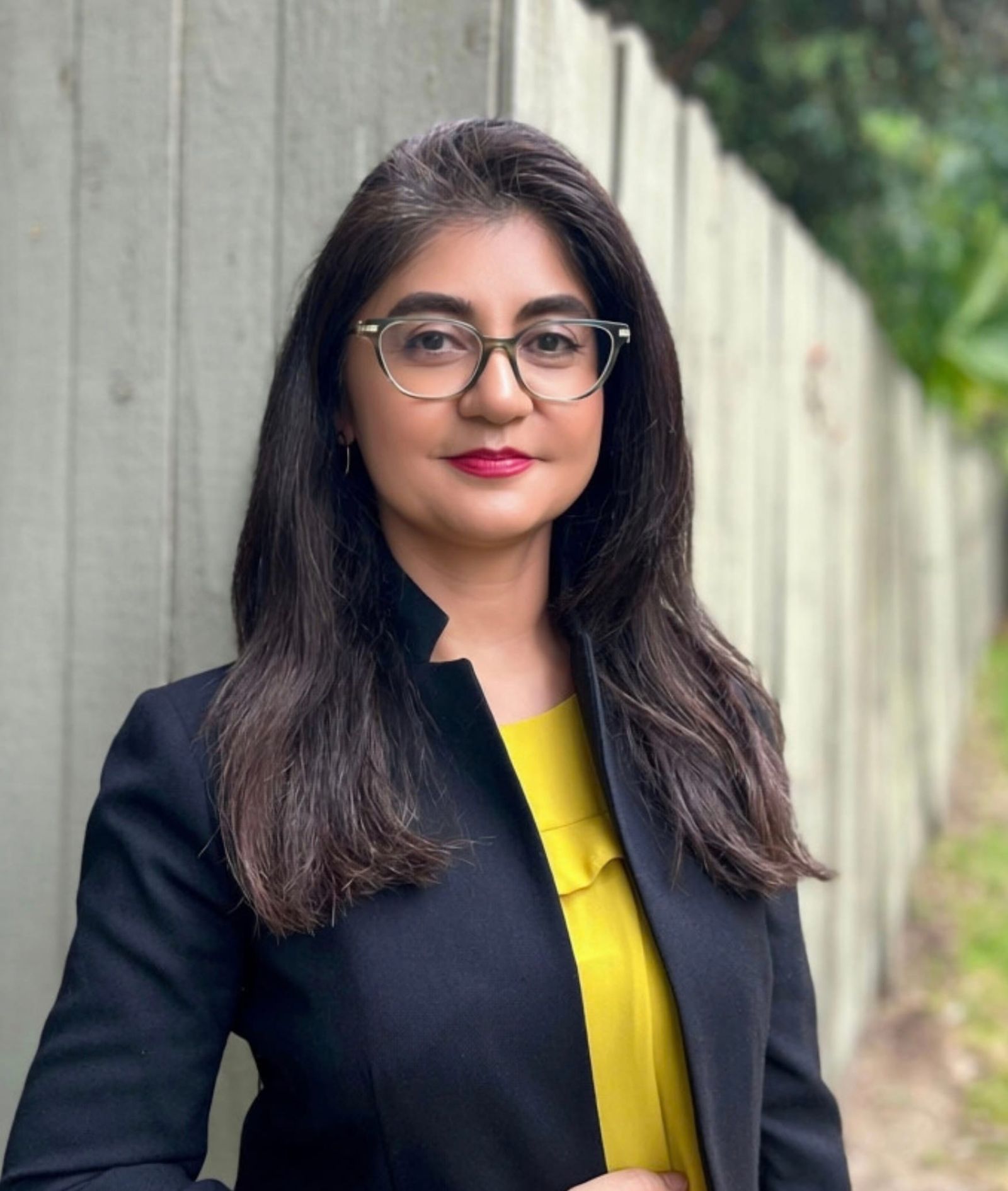 Monica Aleman Gibbs | Water Consultant/Educator | No |
| Division 3 | 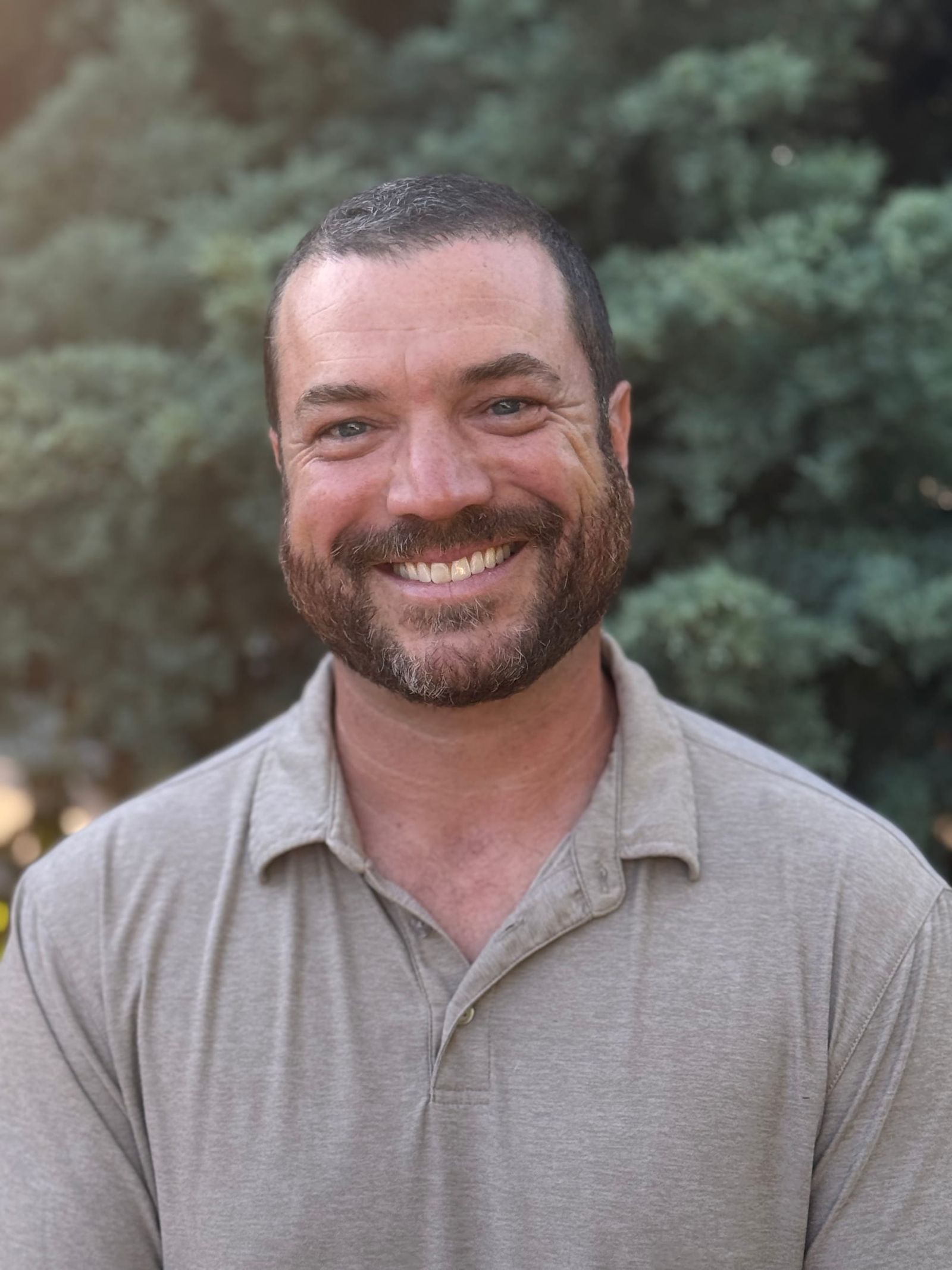 Jeff Hanlon | Policy Scientist | No |
| Division 3 | 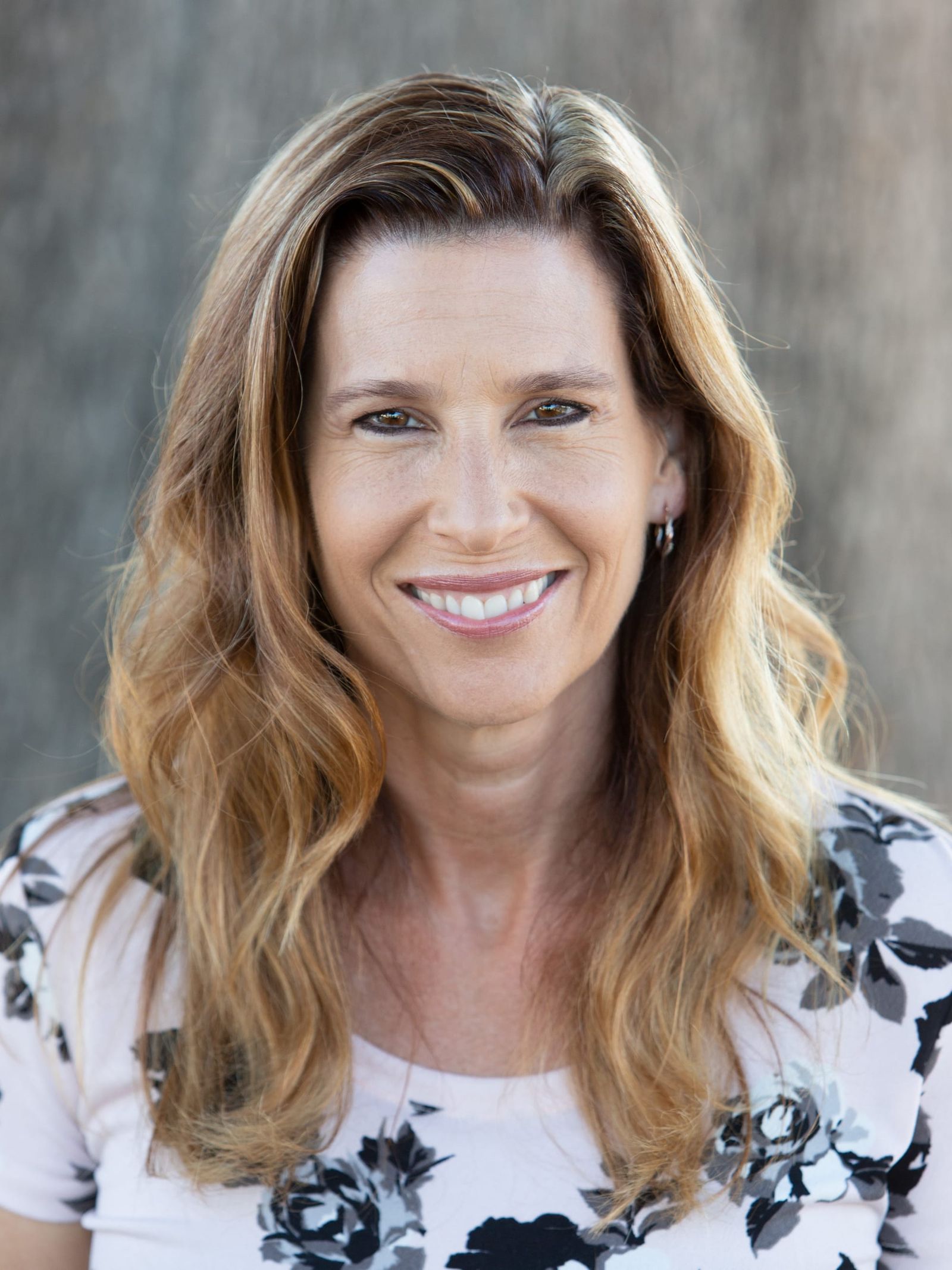 Sherry Shaw | Retired Manager Engineer | No |
Candidate information is from the Los Angeles County Registrar-Recorder/County Clerk’s candidate list, last updated Aug. 14, 2026. View the official candidate list.
Compare the candidates
Select a question to read all three Division 3 candidates’ responses. Candidate responses were lightly edited only for spelling errors or typographical mistakes; no substantive edits were made.
Division 3
Division 3 candidate
Editor’s Note: Monica Aleman Gibbs opted to combine her responses to the questions about her background and why she’s running.
Thank you to La Verne Daily for the opportunity to participate in this candidate survey.
Born and raised in Southern California, I am the daughter of Salvadoran immigrants who came to the United States in the 1960s seeking new opportunities. Growing up in Los Angeles among neighbors from diverse backgrounds shaped my appreciation for community and public service.
I moved to the San Gabriel Valley 17 years ago while working for the state legislature. My husband and I met in San Dimas, became engaged at the La Verne church where The Graduate was filmed, and eventually made our home here. We chose this area because we both grew up enjoying California’s foothills. This community is personal to us.
My decision to run for the water board became more urgent when I learned that local residents were experiencing brown water from their taps. As a local activist and breast cancer survivor, I understand how essential access to safe, reliable resources is to our quality of life. I want to help ensure our water remains safe, reliable, and affordable for every family in Division III.
I bring three things to this role.
First, water and infrastructure experience. I have worked on projects involving the San Gabriel River Dam, the Emerald Necklace, Elysian Reservoir, the Los Angeles River, and Echo Park Wetlands. My work has involved environmental requirements, Army Corps of Engineers regulations, and the challenge of coordinating multiple agencies and funding sources. I understand the complexity of infrastructure projects and the importance of planning for long- term reliability.
Second, government experience. I served as a field representative in the California State Legislature and a Los Angeles City Council office. I understand how public agencies operate, how funding decisions are made, and how to help residents navigate government and get their concerns addressed. I currently work as a public affairs consultant and educator, bringing experience in communication, policy, and public engagement.
Third, local roots. I have lived in the San Gabriel Valley for 17 years, graduated from Citrus College and Azusa Pacific University, and called Division III home with my husband for the past five years. This is not a stepping stone for me. It is my community.
Water challenges require regional thinking, responsible investment, and preparation for an uncertain future. Three Valleys must work effectively with its member agencies to strengthen local supplies, maintain critical infrastructure, pursue outside funding, and manage costs responsibly. We should embrace innovation while ensuring that public money delivers measurable results.
I believe effective leadership also means making complex decisions understandable to the people those decisions affect. Residents deserve transparency, meaningful opportunities to participate, and a board that holds itself accountable.
My approach is simple: show up, do the homework, follow the money, and explain decisions to the people who pay for them. I know how to ask the right questions. And when I don’t know something, I do the homework.
I will bring government experience, infrastructure knowledge, regional relationships, and a commitment to accountability to the board. My goal is straightforward: to help deliver clean, reliable, affordable water while protecting our resources for future generations.
Division 3 candidate
Background I am water policy specialist with a doctorate in Public Administration and Policy from the University of Arizona. I have fifteen years of experience researching and teaching US water policy at the University level, with more than ten publications on the subject. I served on the board of Three Valleys after being elected in 2022 until June of 2026. I resigned from the board to apply for a senior staff position as Government Affairs Manager at the agency because I loved the work there so much. It was the only ethical way to apply for the job without creating a conflict of interest for staff. I was not selected, so I am running for another term as was the original plan and would be thrilled to continue my important work on the board.
Why this candidate is running I’m running because I have already been involved in important planning work at the agency and wish to continue it for the benefit of our communities. Water policy is a passion, and I am deeply involved in the problems and opportunities in our region. For example, during my first term, I was one of the most active board members at other related agencies. I sat on the board of our local groundwater authority, served as the agency liaison to the San Gabriel Watermaster, stayed up to date on all meetings of the Chino Basin Watermaster, and attended or watched every Metropolitan Water District meeting after having strategy meetings with our representative to that board. I think we have some great strategic opportunities to develop a much greater groundwater portfolio, which takes the stress off of our imported water supplies in times of drought, and may lead to serious cost savings. If people want a representative who has deep knowledge of our water system, the budgeting process, cost implications of various infrastructure upgrades, the politics of the MWD, and who has a great working relationship with the board and staff of Three Valleys, they should vote for me.
Division 3 candidate
Background I have worked in the water industry as an engineer for 35 years, which has been my primary area of expertise. I chose this profession because I enjoy solving complex problems and, ultimately, helping people and the communities they serve. I have also spent 25 years working for Walnut Valley Water District, including my final two years as General Manager and Chief Engineer. Throughout my career, I have developed a reputation for being tenacious, persistent, and committed to seeing important issues through to completion.
Over the years, I have worked closely with Three Valleys staff and Board members on important issues, including major capital improvement projects and, most recently, the preparation of the annual budget and implementation of its new fixed-rate business model. This firsthand experience gives me a strong understanding of the District's operations, financial challenges, and relationship with its member agencies.
Before joining Walnut Valley, I also worked with two different consulting firms, which gave me extensive familiarity with the City of La Verne's Water Master Plan and Golden State Water Company's system serving Claremont. This experience provided me with valuable insight into both cities' balance between imported water and groundwater, as well as the water-quality challenges they continue to address.
I am also in a different phase of my life now that I am retired, which allows me to devote the time and attention necessary to serve effectively on the Three Valleys Board. I am committed to providing consistent, reliable leadership for the full four-year term.
Why this candidate is running I have worked with Three Valleys Municipal Water District from the member-agency side, representing Walnut Valley Water District, in various capacities for 25 years. My most recent position was General Manager, a role I held for the last two years. Throughout my career, I have often expressed my desire to serve on the Three Valleys Board once I retired from Walnut Valley.
It was somewhat unexpected that the Division 3 seat became vacant within two weeks of my retirement. Given my background and experience, I felt that my skill set was well suited to serve in this capacity, and I did not want the communities of Claremont and La Verne to go unrepresented until December. Unfortunately, the Board ultimately chose not to appoint someone to fill the vacancy, but to go to election instead. I am in a different phase of my life now that I am retired, which allows me to devote the time and attention necessary to serve effectively on the Three Valleys Board. I am committed to providing consistent, reliable leadership for the full four-year term.
Most importantly, I believe my combination of engineering expertise, 25 years of experience as a Three Valleys member agency, two years as a General Manager, and longstanding relationships with Three Valleys staff and Board members gives me an intimate understanding of the District and the issues it faces. I believe that experience makes me exceptionally well qualified to serve Division 3.
Division 3
Division 3 candidate
My experience includes serving as a field representative for the City of Los Angeles, the California State Assembly, and the California State Senate. These positions prepared me for a governance role with the Three Valleys Municipal Water District.
In these roles, I worked on water infrastructure projects and coordinated with federal and local agencies, including the U.S. Army Corps of Engineers, theEngineers the Environmental Protection Agency (EPA), and local water agencies. My work also involved knowledge of and coordination with agencies regarding the California Environmental Quality Act (CEQA), and the National Environmental Policy Act (NEPA). I am the only candidate with hands-on experience of watershed, dam, river, reservoir, and wetland projects.
Like Jody and Jorge, who serve on the current board, I bring government experience that is relevant to public governance and oversight.
I currently work as a public affairs consultant and educator.
Division 3 candidate
I currently operate a general home repair and remodeling business, which I started after retiring from academia last year. Previously, I was an associate professor of Political Science at Whittier College and Northern Arizona University before that.
Division 3 candidate
-Currently retired since June 30, 2026 -Walnut Valley Water District (Walnut) - Engineering Manager, Director of Engineering, General Manager/Chief Engineer (2000-2026) -Civiltec Engineering (Monrovia) - Project Engineer (1996-2000) -Stetson Engineers (West Covina) - Staff Engineer (1993-1996)
Division 3
Division 3 candidate
My priorities are infrastructure investment and the development of reliable local water supplies.
Diversifying our water sources through groundwater, storage and recovery, and water recycling, will help build long-term resilience. That includes treating contamination cleanup as core infrastructure, not an afterthought. We should reduce our vulnerability to imported water shortages by investing in local solutions while maintaining access to imported supplies as an important part of our regional water portfolio.
Conservation is one of our most cost-effective tools. California's SB 72 establishes a statewide planning target of 9 million acre-feet of additional water supply, storage capacity, or conservation by 2040. Three Valleys should work with its member agencies and regional partners to identify practical conservation measures and improve long-term water reliability.
Every gallon we save is a gallon we may not need to purchase, treat, or transport from an imported source. Conservation should be part of a broader strategy that evaluates the cost and reliability of every water investment.
Storage and groundwater recharge are essential. We should explore opportunities to capture stormwater at facilities such as the San Antonio spreading grounds and recharge groundwater basins, including the Six Basins and Chino Basin, in coordination with the agencies responsible for their management. Protecting recharge capacity and addressing emerging threats to water infrastructure must also be part of our long-term planning.
Recycled water offers significant opportunities for the future. Recycled water currently represents a relatively small share of our regional supply, leaving room for growth. Regional initiatives such as Metropolitan's Pure Water Southern California project demonstrate the potential of advanced water recycling, although these projects require careful evaluation of cost, energy use, infrastructure, and long-term benefits.
I would apply three questions to every major project: What is the cost per acre-foot? How much reliability does it add? How much outside funding can we leverage?
Imported water remains an important part of our regional supply and our safety net. We should not abandon it, but we should reduce our vulnerability to shortages and price increases by developing more local options. Three Valleys should aggressively pursue appropriate grants and state and federal funding to support these investments.
Division 3 candidate
My top two priorities are to help shore up water supply reliability, and to keep pursuing regional groundwater storage agreements. The two are absolutely connected. Here in Division 3, we are solely reliant on groundwater and imported water from the State Water Project. La Verne has healthy groundwater rights and is able to produce much of its own water “in house”. The balance is bought from Three Valleys. In times of intense drought, that becomes unreliable. The same is true for Claremont, except that Claremont residents purchase their water from a private company with its own groundwater rights. Three Valleys owns and operates its own water treatment plant, which creates a lot of cost savings to retailers as its able to purchase raw water and treat it before sale. But when raw water from the State Water Project is in short supply, we begin rationing. If the agency can pursue new and expanded purchase and storage agreements with MWD and other neighboring water agencies in the San Gabriel Valley, we may be able to purchase and store water when it’s plentiful at today’s prices and take it out to treat and deliver tomorrow. Overall, we must shrink the geography of our system to improve reliability. Similarly, I would continue to vocally advocate for MWD’s Pure Water Southern California project, which would deliver up to 150 million gallons of potable recycled water to our region daily.
Division 3 candidate
1. Working closely with Three Valleys staff on annual budgets and rate adjustments. Metropolitan Water District's shift toward higher fixed charges, combined with declining usage-based revenue, puts significant pressure on rates. Three Valleys has translated those fixed costs to member agencies through a fair allocation methodology based on Equivalent Dwelling Units (EDUs). I will be attending MWD meetings as the budget process kicks off again this coming February and will communicate to MWD any potential to "push back", as needed, and that Three Valleys is keeping a watchful eye on the rate setting process. I would also continue to advocate for the use of ad valorem property tax revenues to help stabilize and reduce rates.2. Increasing communication and outreach to our communities. I would provide quarterly presentations at City Council meetings to explain the challenges facing Three Valleys and identify opportunities for Claremont and La Verne to take advantage of programs already in place to save money, including free irrigation leak repairs and water conservation programs.
Division 3
Division 3 candidate
The two biggest challenges facing Three Valleys are building a more local, reliable water supply and maintaining resilient infrastructure while keeping costs affordable for ratepayers.
Three Valleys needs to reduce its vulnerability to state imported water shortages and/or disruptions. Three Valleys’ own Capital Improvement Plan states that we rely on imported supplies for approximately 50 to 60 percent of our water. We do not have control over earthquakes or droughts, but we can prepare for them.
I would support expanding local groundwater supplies, improving storage and recovery, advancing water recycling, where it financially makes sense, and pursuing state and federal grants and regional partnerships to help pay for these investments. We should evaluate every project on its expected water benefits, cost, and long-term reliability.
Also, we must maintain and strengthen the infrastructure that delivers water when people need it. Three Valleys’ capital plan identifies $17.3 million in projects over five years, including repairs and replacements for aging facilities and systems. I would prioritize projects based on safety, condition, reliability, and urgency; prepare for earthquakes and other emergencies; and require clear budgets, timelines, and progress reports. I would also scrutinize major regional water-project commitments and ask what ratepayers will receive in return for the money invested.
These challenges are connected: a reliable water supply is only useful if our infrastructure can deliver it, and neither goal should come at an unnecessary cost to the public. My approach is to plan ahead, pursue outside funding, ask tough questions, and make decisions transparently. We need a water system that is reliable in a crisis, financially responsible in the long term, and accountable to the communities it serves.
Division 3 candidate
The two biggest challenges are infrastructure and planning. These are also the two biggest opportunities. Like much American infrastructure, most of our water conveyance around the state and region was built sixty plus years ago. Upgrades and repairs will be required in order to prevent emergencies. Likewise, our infrastructure is built to take water from upstate and the Colorado River and then convey it to retailers to blend with their groundwater and deliver to customers. Those sources are less reliable today. We need to plan for a new generation of infrastructure that captures stormwater during deluge, recycles wastewater produced locally, stores these supplies in groundwater aquifers, and delivers to retailers year round, during all climate conditions. It’s a tall task, but can be accomplished with prudent planning and investment.
Division 3 candidate
1. Again, working closely with Three Valleys staff on annual budgets and rate adjustments. As mentioned in the last question, as MWD continues to shift more of their rates over to the fixed rate business model, Three Valleys has to pay attention every year as the budget is being prepared and be ready to negotiate this each year.
2. Infrastructure ReplacementI closely followed the major pipeline leak and subsequent repairs undertaken by Three Valleys during 2023–2024. That experience reinforced my view that proactive infrastructure replacement is essential. My engineering and management background is heavily focused on capital improvement programs and understanding how those investments affect rate studies and long-term financial planning.Division 3
Division 3 candidate
Three Valleys is a wholesale water agency. Think of it as a big box supplier. Three Valleys purchases water in bulk from the Metropolitan Water District of Southern California (MWD) and supplies it to its local member agencies, which then serve their own customers.
When Metropolitan raises its rates, Three Valleys must evaluate the effect on the agencies and ratepayers it serves, by extension.
Passing every increase directly onto ratepayers does not demonstrate responsible financial management. However, absorbing every increase from its reserves is also unsustainable and could weaken the agency’s ability to respond to emergencies, major infrastructure failures like pipeline breaks, or drought.
Three Valleys should pass on costs responsibly while protecting the safety and reliability of the water supply and the long-term stability of our infrastructure. Three Valleys should identify realistic cost-saving opportunities and evaluate appropriate use of its reserves.
Whenever possible, I would seek ways to reduce avoidable costs. I would also pursue outside funding like grants and manage the financial impact on local member agencies. My goal would be to keep water affordable, given the rising cost of living in general, without compromising the safety and reliability of our water supply and infrastructure.
Division 3 candidate
Three Valleys purchases raw water from MWD, treats it at its facility in Claremont, and delivers the treated water to its many retailers. As the operational costs of the State Water Project increase and we experience water rights cuts to the Colorado source, MWD rates will increase. As major infrastructure improvements need to be made, rates will increase. When these infrastructural marvels were built, they were done so primarily through property taxes, just like schools, highways, police and fire. We have since cut that down to less than 1 percent of the operational budget, thus leaving nearly the entire burden on rates and ratepayer fees. Three Valleys must pass these costs on- there is no way to “absorb” the costs, as it would bankrupt the agency. The best strategy we have is to pursue cyclic storage agreements with MWD, try to generate new groundwater leases from neighboring water rights holders, and continuing to operate our own water treatment facility to avoid purchasing much more expensive treated water. Anyone who promises to bring rates down is being disingenuous. Rates will continue to increase, but we have tools to blunt the pain. I would urge my fellow ratepayers to consider the cost of the service of providing water to our corner of California and consider its relative expense of about two cents per gallon as we evaluate our strategies for the future.
Division 3 candidate
My approach has always been proactive. As I mentioned previously, this process begins in early February of each calendar year when MWD is developing its budget. During this stage, MWD must be held accountable, and negotiations should occur as the budget is being formulated, including discussions regarding the use of ad valorem (property) taxes. Once MWD finalizes its budget, Three Valleys has additional options available. For example, the Three Valleys budget includes rate stabilization mechanisms that may be utilized to absorb cost increases.
Division 3
Division 3 candidate
Three Valleys' own planning documents describe our region as heavily reliant on imported water, with the share continually varying by portfolio and reporting period. That dependence leaves us vulnerable to drought, supply restrictions, and rising costs.
I would invest in local water opportunities to diversify our supply and reduce that vulnerability. Rather than promise a specific percentage without first confirming the appropriate baseline and feasibility, I would work with district staff and regional partners to establish measurable, achievable targets for local supply development during my first term.
I would push to expand opportunities for storage and groundwater recharge in the Six Basins and Chino Basin so we can capture water when it is available and use it when needed. Three Valleys should treat contamination cleanup as core infrastructure, not an afterthought, and aggressively pursue appropriate state and federal funding to support this work.
We should also pursue opportunities through projects such as Pure Water Southern California and the Groundwater Reliability Improvement Program (GRIP), a regional groundwater reliability initiative. These projects can help strengthen local supplies, but they must be evaluated on cost, feasibility, and measurable benefits.
Three Valleys has reported securing $35 million in federal funding through the Water Resources Development Act of 2024 for GRIP. This is an important example of the outside funding that can help advance regional water reliability projects.
In my first term, I would work to establish a clear baseline for imported and local supplies, identify practical opportunities to increase local production and storage, and report progress publicly. The goal is not to eliminate imported water; it is to build a more diverse and resilient supply portfolio.
Division 3 candidate
It would be wonderful if all of our water came from local groundwater supplies, but that is not enough to support the density of the communities we have developed over time. I think I have already explained how committed I am to improving our stake in local groundwater, as we sit on two very valuable aquifers. The Pomona Basin is very well managed and at a healthy level. Much storage capacity remains in the San Gabriel basin, and if we can purchase and store more water there, that is ideal. Likely, that purchased water would still come from the State Water Project (imported), but could be purchased and stored ahead of use rather than just-in-time. I would continue the work of evaluating different options of the Groundwater Replenishment Improvement Program, and “move that number” by building out our storage capacity in the San Gabriel Valley.
Our Division doesn’t use any Colorado River water, but it's pretty obvious to us all that we cannot rely on that source into the future.
Division 3 candidate
La Verne should continue to maximize the use of local groundwater supplies rather than relying on imported water whenever feasible, as local supplies are generally more sustainable over the long term. Three Valleys and I strongly support the development of collaborative projects that increase local water resources. However, groundwater quality can present challenges, often requiring treatment that increase costs beyond Three Valleys' discounted rates for clean, reliable, imported water. With the availability of state funding, many of these projects become more financially viable and achievable. Three Valleys staff and I will continue to actively pursue funding opportunities and support local projects that enhance water supply reliability and sustainability.
Division 3
Division 3 candidate
I support responsible water conservation, and I believe state requirements should be implemented with clear guidance, practical timelines, and attention to cost.
California's ban on irrigating nonfunctional turf with potable water is an opportunity to reduce waste and preserve drinking water for essential uses. We should help affected property owners understand the requirements and identify alternatives, including drought-tolerant landscaping and recycled water where available. We should also protect trees and maintain green spaces that serve genuine recreational and community purposes.
As a Three Valleys director, I would work with member agencies to communicate requirements clearly, identify available rebates and outside funding, and evaluate the costs and water savings of conservation programs. Conservation should be measurable and cost-effective, not simply a compliance exercise.
Every gallon saved can help reduce demand on imported supplies and improve long-term water reliability. Our goal should be to conserve intelligently, protect ratepayers, and ensure that today's decisions strengthen our water future.
Division 3 candidate
Using potable water to irrigate lawns, schools and sports fields is a good use of water.
Watering our large shade- giving trees is a good use of water. Using potable water to irrigate nonfunctional turf, like thirsty grasses on commercial or institutional properties that no one ever steps foot on except to mow is a poor use of water. I applaud the ban on watering nonfunctional turf, as it means that we are not wasting a precious resource on a purely ornamental and climate-inappropriate method of landscaping. We need green space for ourselves and our kids, absolutely- those are our water needs. We don’t need grass on curbed medians separating parking lots.
Division 3 candidate
The Water Use Efficiency (WUE) requirements established by SB 606 and AB 1668 have been challenging for many water agencies to implement. Many agencies have expressed concerns that the calculation methodologies do not fully account for local conditions, including non-irrigable land, and may result in standards that are difficult to achieve. As a result, water agencies throughout California have been collaborating to advocate for refinements to the methodology and implementation process. In the long term, these requirements may increase costs for ratepayers if agencies are required to make substantial investments to meet the prescribed standards. In addition, state regulations regarding nonfunctional turf require local jurisdictions to adopt ordinances supporting the removal of certain nonfunctional turf areas. I have observed instances where jurisdictions have reevaluated land use classifications to distinguish between functional and nonfunctional turf. At the same time, many ornamental landscape areas can and should be converted to drought-tolerant landscaping that is both attractive and water efficient.
Division 3
Division 3 candidate
I want to establish measurable results before spending public money. We must be willing to stop a project that isn't working.
Millions of dollars spent on planning and environmental reviews cannot be recovered. But past spending should not be the sole reason to move forward with a project. Every dollar we spend should deliver reliable water, protect ratepayers, and provide better value.
As a Three Valleys director, I would insist on transparent accounting of what our district has already paid, what obligations remain, and what the projected costs could mean for our member agencies and the people who ultimately pay the bills. I would want a clear comparison of the project’s expected benefits, risks, and long-term costs against investments in local water supplies, recycling, storage, conservation, and infrastructure improvements. I would want clear benchmarks for success, and, if possible, independent scrutiny of whether projected benefits justify the investment.
I also believe we need to take earthquake resilience seriously. California’s water system depends on infrastructure that must withstand major seismic events and deliver water when communities need it most. We have made significant progress in reducing water use, but conservation alone cannot replace reliable, resilient infrastructure.
My approach is to follow the money, ask hard questions, compare alternatives, and make decisions based on measurable benefits, not based on past spending or political pressure. Ratepayers deserve nothing less.
Division 3 candidate
I am generally in favor of the Delta Conveyance Project, however I don’t have high hopes for its implementation. The project would create a subterranean tunnel from the Sacramento River under the Bay Delta to the State Water Project. It has been planned and fought over since the 1960s. It would have big benefits- better State Water Project water quality, the ability to take excess storm flow when it occurs without disrupting salmon runs, healthier for other Delta fish species, more natural tidal and river flows.
However, it'sits one of these projects that never seems to get closer to fruition. It's also extraordinarily expensive. I think we should spend our money first on a project that we can control locally without getting state politicians involved. That is PureWater Southern California. PureWater would recycle 150 million gallons of wastewater daily using the same technology as desalination but at a lower cost. It would keep that water local. And its shovel ready.
Division 3 candidate
The Delta Conveyance Project is important for maintaining a reliable long-term water supply, particularly as water supplies from the Colorado River are expected to become increasingly constrained. The project would also provide benefits for protecting and improving the resilience of the Delta ecosystem. However, I am a stronger proponent of the Pure Water Project in Carson, as it represents a more sustainable local water supply solution that enhances regional reliability and reduces dependence on imported water.
Division 3
Division 3 candidate
Three Valleys serves a substantial regional population. While speaking with voters face-to-face, I learned that many people are unfamiliar with the agency, its management, and how water reaches their homes. That is not a failure on the part of ratepayers. It is an opportunity for Three Valleys to communicate more effectively.
When a public agency spends public money and makes decisions that affect water costs, its directors have a duty to explain what they are doing and why in plain language. Transparency is not simply posting a lengthy board packet online. Accountability starts with access. If people cannot understand what Three Valleys is doing, they cannot meaningfully hold the agency accountable.
Residents should be able to understand how decisions affect them and know whom to contact with questions. That is the standard I would hold myself to.
I would advocate for a stronger public-facing digital presence, including accessible social media communications and a website that makes board decisions, project updates, budgets, and water-supply information easier to understand.
There should also be a consistent community outreach presence. A district representative should attend community meetings and local events to keep residents informed about changes affecting our water supply, rather than relying solely on residents to attend weekday board meetings in Claremont. Not everyone can take time off work to attend a morning meeting.
As an educator, I would also work with local schools and colleges to help students understand where their water comes from and how they can help conserve it.
When a major rate change or capital project is being considered, I would advocate for meaningful public workshops early in the process, before the board votes, so residents have an opportunity to ask questions and provide input while decisions can still be influenced.
Division 3 candidate
I would encourage residents to come to meetings or view them remotely online. I would encourage them to engage with their local representatives. I would encourage them to ask their City Councils to request updates from the Water District. In the last four years I have received one request to give a water supply update to a City Council. Water Board members actually do a lot of work month to month and are happy to share, as it is our passion. I think most people simply (and fairly) think about water when they look at their monthly bill for water service, but we all need to do a better job of keeping conversations about our overall water supply in the public discourse.
Division 3 candidate
I would like to provide quarterly updates to the Claremont and La Verne City Councils regarding the key issues and challenges currently facing Three Valleys.
Division 3
Division 3 candidate
When I decided to run for office, I reached out to local elected officials to introduce myself and begin building relationships across our communities.
During my career in city and state government, I learned the importance of working across party lines. I do not recall a time when I stopped to ask someone's political affiliation before doing my job.
Water reliability, infrastructure, affordability, and public accountability affect everyone. I would approach the board's work with an open mind, respect differing perspectives, and focus on evidence, responsible management, and the needs of the residents we serve rather than partisan politics.
Division 3 candidate
The Board of Three Valleys is a wonderful and politically diverse group of individuals.
They all have their broader political and partisan ideas and differences, but agree on 90 percent of issues, and never really disagree based on a traditionally partisan issue.
Maintaining a sense of respect, decorum, and honesty about what the agency does and should do is our best tool. Also, this is a “single issue” office so it’s crucial to elect water policy experts to the board, not just obedient party members of either stripe. I’m proud to serve alongside board colleagues who vote differently than I for the the president or governor, but who I can trust to be water experts and work tirelessly and honestly for our constituents. It’s the best version of local government.
Division 3 candidate
I believe that focusing on addressing the issues at hand and serving the broader community will help preserve a nonpartisan atmosphere.
Division 3
Division 3 candidate
I hope this race will bring about meaningful change at the board. I am encouraged by the level of engagement in this race, and I hope that engagement continues beyond Election Day.
I would also love for my campaign to serve as a testament to cancer survivors: a diagnosis does not mean our lives are over or that our ambitions must end. We can continue to grow, take on new challenges, and accomplish things we may never have imagined possible.
I hope my campaign serves as an example of that determination and reminds others that there is always room to make a difference in the communities we call home.
Division 3 candidate
I was honored to be elected in 2022 and I would be honored to be elected again. Three Valleys does a lot of unheralded work in helping keep water coming out of the taps whenever we turn them on. Our challenges are big and complex, but I bring the needed balance of practical know-how, a deep love of the communities I served, and a desire to shape our future water supply.
Division 3 candidate
I will be refusing to collect the medical benefits offered to Three Valleys Board members, which will save Three Valleys a lot of money up front.
Local school governance
The Board of Education is the elected governing body for Bonita Unified School District, which serves students in La Verne and San Dimas. Its five members are elected by trustee area to represent their communities while making decisions for the district as a whole.
The board sets district policy and priorities, approves the budget and educational plans, adopts curriculum and instructional materials, oversees facilities and staffing policies, and hires and evaluates the superintendent. The superintendent and district staff manage day-to-day school operations and carry out the board’s direction.
Current board member Jim Elliot, who represents Trustee Area 3, did not run for re-election. His term expires in December 2026.
| Trustee area | Candidate | Ballot designation | Race |
|---|---|---|---|
| Trustee Area 2 | Derek Bahmanou | Incumbent and current board president | Unapposed. Re-elected |
| Trustee Area 3 | Selina Garcia | Community Volunteer | Unopposed. Elected. |
Candidate information is from the Los Angeles County Registrar-Recorder/County Clerk’s candidate list. View the official candidate list.
Meet your representatives
Select a board member to read their profile and responses on La Verne Daily News.
Trustee Area 3 board member Jim Elliot did not run for reelection; his term expires in December 2026. Selina Garcia was elected unopposed to succeed him.
Trustee Area 1 · Board member
When I retired from Bonita Unified School District, I wanted to become a BUSD board member to ensure that the great work I had witnessed over the years continued into the future. I believe that BUSD staff are uniquely collaborative and benefit from following best practices supported by research and hard data. Additionally, BUSD’s emphasis on superior academics, arts, athletics, intervention, and mental health support gives students a very comprehensive and supportive educational experience.
When I was in high school, my mother asked me to tutor my 7-year-old sister who was having trouble learning to read. I believe this experience set me on a path to make sure that every teacher I work with thoroughly knows the science of reading instruction. Through my years in college and graduate school, I found that the reading instruction information I received was not satisfactory; and before becoming an elementary principal, I did the research myself in order to make sure that teachers I worked with had all the tools they needed to help students who were struggling to read.
I believe that the school board’s most important responsibility is to monitor the efficiency and success of all the district’s departments and schools so that BUSD attracts talented personnel, is a safe place for students to learn, is fiscally sound, and continually works to meet the needs of students and their families.
I think the best advice I can give every student in BUSD as they start the school year is to dream big and work to learn something new every day. They should be confident that BUSD staff will find a way to help them with any challenges they face or any dreams they may want to attain! I also think that everyone benefits from smiling every day. Research shows that smiling improves mood, lowers stress and builds bonds between us!
My hope is that every family finds their child’s school to be a “home away from home.” I want parents to have many opportunities to participate at their children’s schools. They should support PTA, School Site Council, and participate in every school event that they can possibly attend. I am often out in the community and at school events. I can always be reached through the district email and will respond via email or a phone call or a personal meeting.
In the 26-27 school year I will monitor our fiscal outlook and promote continued positive relationships with our classified and certificated unions. I will continue to support the important work the Superintendent does to promote strong leadership skills in our principals and district administration to ensure that the teaching staffs at each school have all they need to do their jobs at an exemplary level.
Growing up, reading and science were my favorite school subjects. I also really loved our cooking and shop classes!
Feedback is important to me. Beyond monitoring student progress data, I know we’ve had a successful school year when I hear positive comments from staff, students and the broader community about how children are excelling in our schools. I know that there will always be challenges, but feel satisfied as we continually work to resolve any issues we face during the school year.
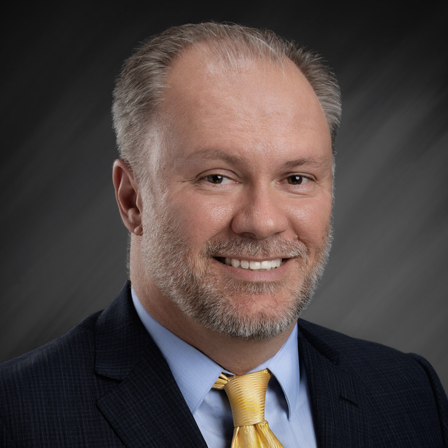
Trustee Area 2 · President
A Q&A with Derek Bahmanou has not yet been published.
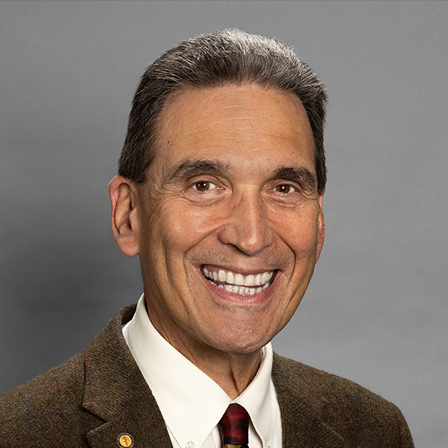
Trustee Area 3 · Vice president
Jim Elliot did not run for reelection. His term expires in December 2026, and a questionnaire response has not been published.
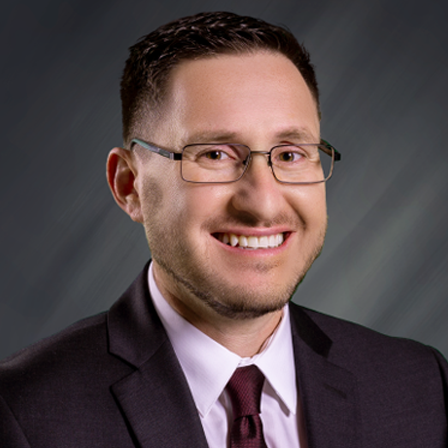
Trustee Area 4 · Board member
When my daughter started Kindergarten, she had a rough time. She cried the first day of school, and was sent to the office after a while. She cried the 2nd day, and the whole 1st week. What they did with her was leave her in the office where she cried until she fell asleep. I felt the schools do well for those that naturally do well, but leave a lot to be wanted with those who have extra needs. This inspired me to run for the board to emphasis the need for more through mental health support at all levels for all students. I am happy now that much more support has been now in place since I came onto the board.
I love seeing kids with needs succeed. I went through college changing major to major because I couldn’t find my passion. During my 2nd year, 2 of my aunts called me and told me their sons were diagnosed with Autism, about 3 months apart. This was in the mid-90’s, so it wasn’t as commonly understood as it is now. I saw there were psychology classes about Autism, which I took. I enjoyed the subject, changed my major (a 7th time) to psychology, and it felt like the perfect fit. I was able to intern with that professor doing work with students with Autism, which then led me to help develop programs for my cousins, then led me to go to graduate school to become a School Psychologist to help families going through the same concerns. I love what I do.
Our most important responsibility is to make sure the budget works to prioritize the needs of the students and schools. We can bet by on minimums like other districts do, but we know with the right priorities for student success, we can achieve highly. We have seen evidence of this as we outperform districts around us and are one of the leaders statewide.
Besides the obvious academic content and grades, success in schools is partly based on relationships. My advice would be for students to look out for one another. Try to make one new connection early on, whether that’s joining a club, introducing yourself to a classmate sitting alone, or saying hello to a teacher. The friendships and support system you build will carry you through the tough weeks and make the school year positive and memorable.
My email is available on our district website and it is the most common way for messages and concerns to come across. I consider myself easy to talk to and will list listen thoroughly to any concern. I read every single email from parents and community members myself. I might not always agree on every solution, but I will always listen to your perspective. palatto@bonita.k12.ca.us
I am pleased with the improvements to our mental health support and career & technical education we fought for early on. The next big concerns for me are to continue to improve our safety on campus, as well as to improve the basic infrastructure of our school to keep kids in a comfortable setting to be able to show their best.
I was always good in math. I enjoyed figuring out answers to problems logically, however while I was good at it, it was definitely not my favorite. I went to a humanities based high school and we were able to take Philosophy, which I believe was my favorite subject. It involved a bit too much reading and writing for a kid to enjoy in high school, but the content and discussions are things I still remember enjoying the most and still use to this day.
... we see our students growing into compassionate, capable young people who believe in their own potential.
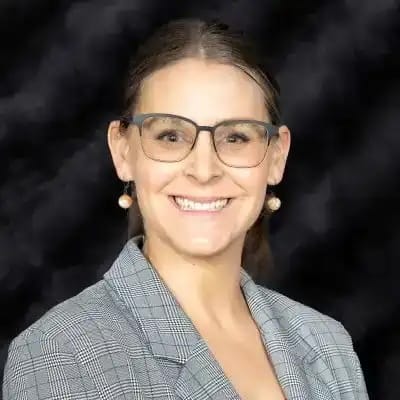
Trustee Area 5 · Clerk
This position combines my deep belief in the value of education with my commitment to our community. My experience in education and community non-profit work gave me a skill set and perspective that I wanted to bring to the board and our community.
Throughout my schooling, I have been involved in so many activities—athletics, theatre, student leadership, yearbook—starting in elementary school and all through college, all the things, often at the same time. I am confident that it is my involvement in these activities and my parents' support that enabled me to go on and graduate first in my class from the University of La Verne. This informs my deep commitment to ensuring the same opportunities for all of our students.
To keep the focus on the kids at all times, to connect the community with the district, to support students and families.
School is like most things in life—you get out what you put in. Get involved, attend events, try your best in everything you do. Remember your school, your teachers, your family and your community are all rooting for you and here to help.
Availability is something I prioritize. I pride myself on responding to emails, on being a board member that offers to set up a phone call or a coffee meeting with anyone who has concerns or ideas that they would like to share. I am also a big proponent of families and community members getting involved so that conversations happen early and community connectivness lays the foundation for effective collaboration. Students benefit from families being involved—it could be being in PTA or site council, volunteering in the classroom, at field trips, for a committee or even a local service organization that in turns partners with the schools. If it is none of those things, it should at least be attending school events and activities--back to school night, conferences, reading nights, open houses, PTAs, games and performances, etc. Communities are strongest when everyone is involved and I truly want to be involved alongside families to cultivate a community where everyone is welcome, and everyone can thrive.
I'd like to focus on connectivity—engaging our families meaningfully, collaborating with the community, and nurturing the opportunities our students have to cultivate community and feel a sense of belonging. I'd also like to see Bonita explore a digital policy that follows the research and best practices in a way that minimizes screen-based activities and maximizes learning outcomes.
English and History
... students have thrived in "the 4 As" (arts, athletics, academics, and activities) while families and students feel a sense of belonging in a connected and collaborative community.
California voter guide
La Verne voters will also vote on statewide propositions addressing issues including voter identification requirements, tax laws and access to lower-cost mortgages. Learn about each proposition and take CalMatters’ quizzes to see which choices most closely match your views.
Take CalMatters' quizzes