No L.A. County Cases Linked to Cyclospora Outbreak, But Health Officials Urge Residents to Stay Informed
CDC says more than 4,100 confirmed U.S. cases have been reported, with thousands of additional reports under review.
-- No Los Angeles County cases have been linked to the outbreak.
-- California is not considered an outbreak hotspot.
-- There is no recommendation to stop eating fresh produce.
-- The FDA says there are no confirmed positive food samples.
-- If you develop prolonged diarrhea, contact your health care provider and ask whether testing for Cyclospora is appropriate.
Los Angeles County health officials say no local cases have been linked to the nationwide Cyclospora outbreak, but they're encouraging residents to stay informed as investigators continue searching for the source.
California is not considered an outbreak hotspot, and health officials are not recommending people stop buying fresh produce.
Cyclospora is a microscopic parasite that can contaminate food or water, most often fresh produce. Outbreaks linked to fresh produce occur periodically during the summer months, although investigators don't always identify a single source.
What's Happening?
The Centers for Disease Control and Prevention is tracking an unusually large increase in Cyclospora illnesses across the country.
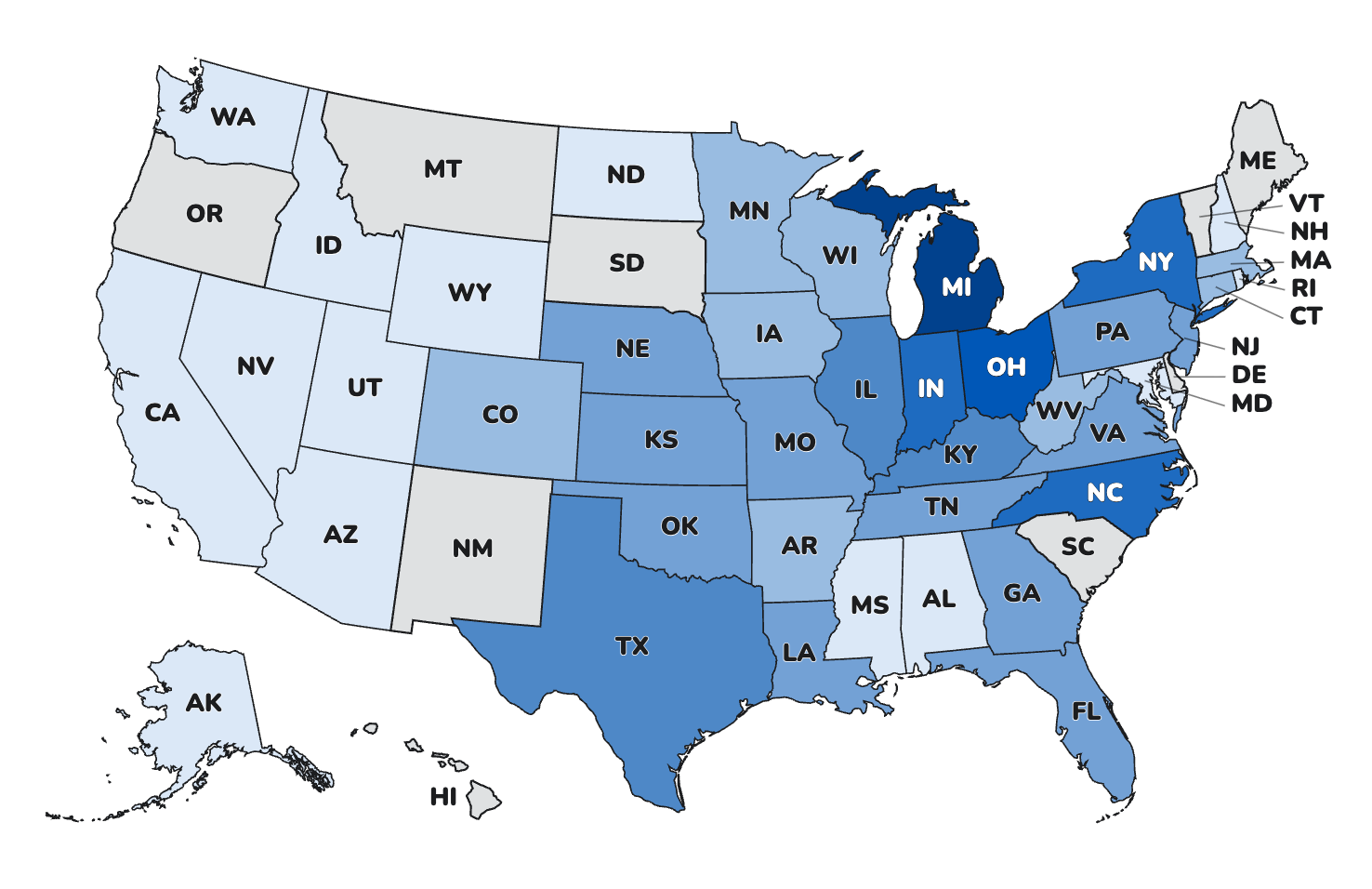
As of July 20, the agency had received reports of 4,173 confirmed cases in 41 states. More than 300 people have been hospitalized, and no deaths have been reported.
The CDC also said thousands of additional reports are still being reviewed, meaning the number of confirmed cases will likely continue to grow as state health departments complete their investigations.
What Have Investigators Found?
Federal investigators believe several separate outbreaks may be occurring at the same time.
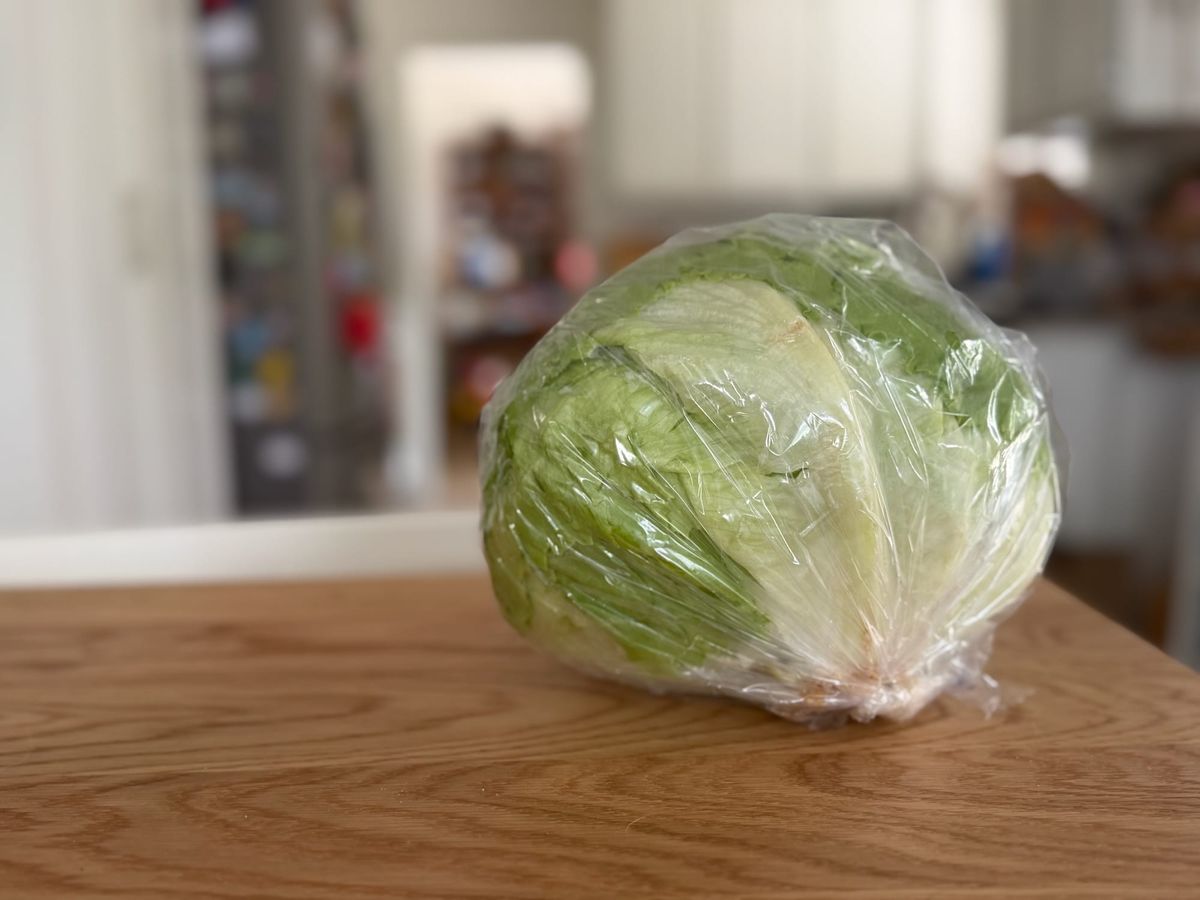
One confirmed outbreak has been linked to shredded iceberg lettuce served at Taco Bell restaurants in Indiana, Kentucky, Michigan, Ohio and West Virginia. Other outbreaks remain under investigation, and officials have not identified a single source for the nationwide increase in illnesses.
What Does This Mean for La Verne Shoppers?
Right now, health officials aren't advising consumers to stop eating fresh produce.
“People may overreact and lose confidence in our food sources and stop consuming fresh produce,” said Wei-Jen Lin, professor of biological sciences at Cal Poly Pomona. She said buying produce from trusted suppliers, washing it thoroughly before eating and cooking it when possible are among the best ways to reduce the risk of illness.
Lin said food retailers and restaurants play an important role by choosing suppliers that follow FDA food safety guidelines and have plans to monitor and control contamination. “This may include a documented food safety plan and control steps of relevant pathogens such as Cyclospora.”
The Los Angeles County Department of Public Health recommends a few simple steps to reduce your risk of foodborne illness:
-- Wash hands.
-- Wash fresh produce.
-- Cook foods to 158°.
-- Prevent cross-contamination.
-- Contact a healthcare provider if symptoms develop.
What Symptoms Should You Watch For?
Symptoms usually begin about a week after exposure and may include prolonged watery diarrhea, stomach cramps, nausea, fatigue, bloating, loss of appetite and weight loss. Some people also experience vomiting or a low-grade fever.
Anyone who develops prolonged diarrhea, especially after eating fresh produce, should contact a health care provider. Because Cyclospora isn't included in every routine stool test, patients may need to ask whether testing for the parasite is appropriate.
Where Des the Lettuce Investigation Stand?
One part of the investigation has focused on iceberg lettuce from central Mexico.
Taylor Farms de Mexico voluntarily recalled iceberg lettuce grown and processed in the region after the FDA identified it as a potential source of one outbreak.
However, on July 19, the FDA said a lettuce sample that had initially tested positive for Cyclospora was later determined to be a false positive. As of July 19, the agency said no food samples had been confirmed positive for the parasite.
Taylor Farms said its branded salads and salad kits are not part of the recall and that it is cooperating with public health authorities as the investigation continues.
Local Events Calendar