Roots Run Deep: The La Verne Home That Helped Launch the Citrus Industry
Before La Verne had a name, this house had a story. Soon, it will be christened the Cross-Forsyth home with a bronze historical marker.
Before La Verne was named, this house was already part of the story.
Long before “La Verne” replaced Lordsburg on the map, a modest cottage on the corner of Bonita Avenue and F Street stood through the region’s earliest boom—and the bust that followed. Now, more than a century later, the Cross-Forsyth home will soon have a bronze marker out front, recognizing its place in shaping the City’s past.
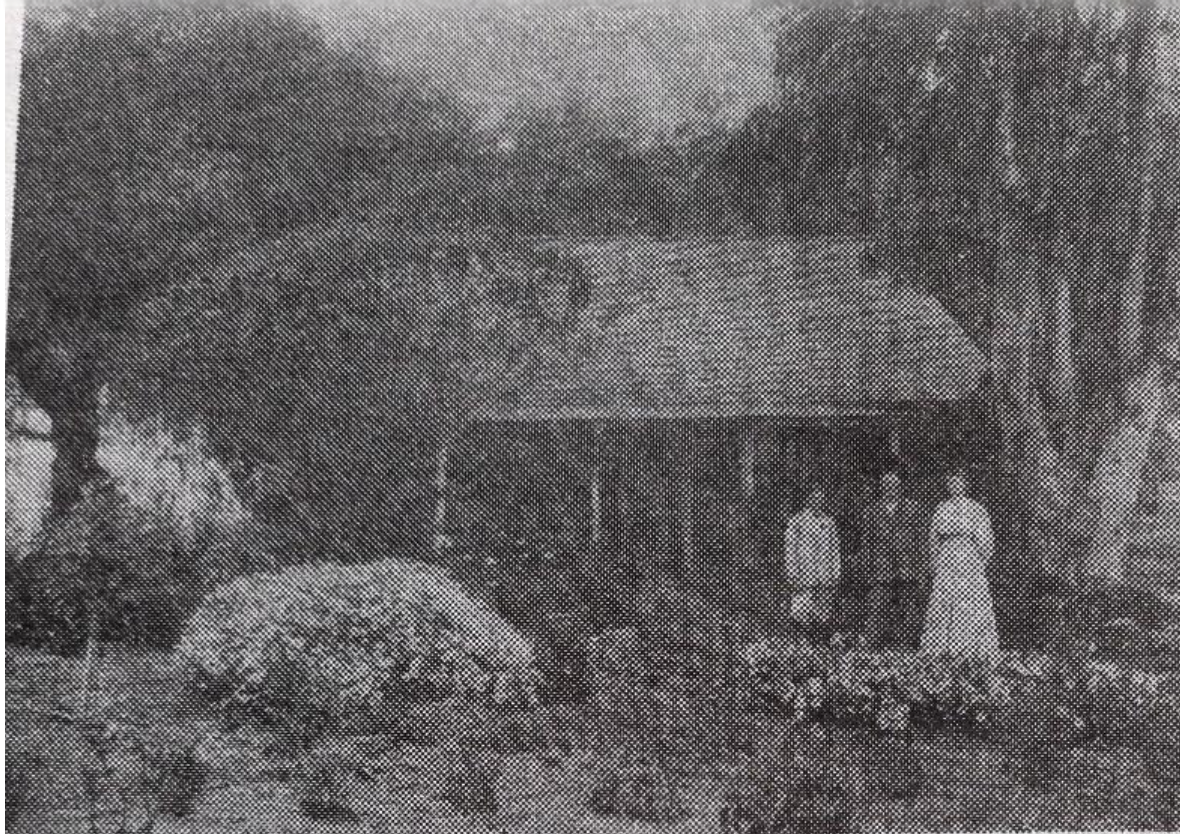
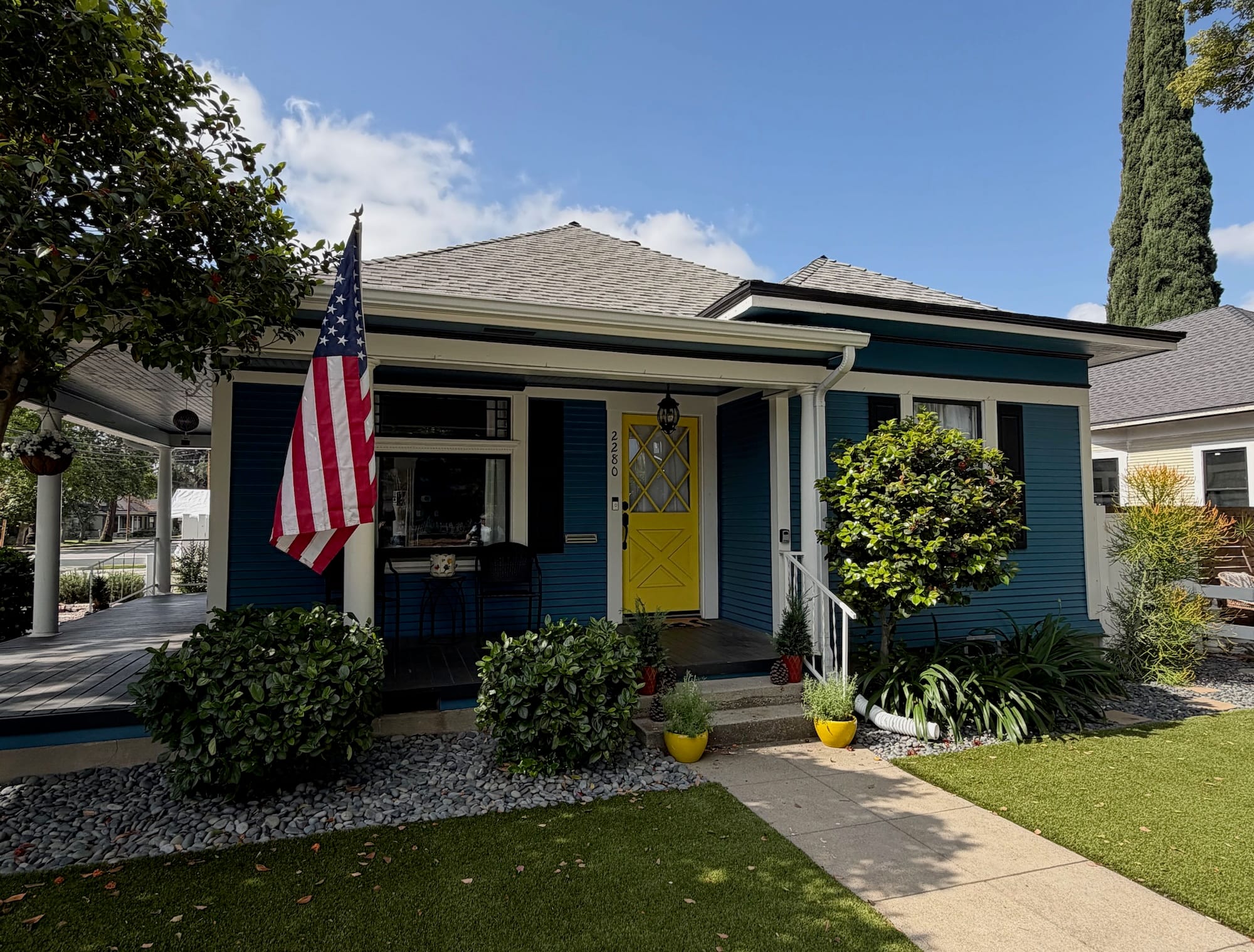
Raymond Cross (left) stands with his parents, Joel and Cora Cross, outside the Cross-Forsyth home at Bonita Avenue and F Street in La Verne circa 1895. Photo courtesy the La Verne Historical Society (Second photo) The Cross-Forsyth home as it stands today. Photo by Staci Baird/La Verne Daily News
The single-story cottage revival home, built in 1898, traces back to the ambitions of Issac Lord, the land developer who gave the fledgling town its first identity. After the Santa Fe Railroad pushed through the area, Lord purchased 100 parcels from “Colonel” George Heath and marketed the community as Lordsburg. He never lived here, but his influence defined the town’s earliest chapter. Like many land ventures of the era, the boom he rode didn’t last.
The house did.
With its original siding and windows still intact, the home reflects a mix of rural English, Craftsman and Tudor influences—architectural styles that arrived as the town of Lordsburg itself was taking shape.
By the early 1900s, the property passed to Marcus Sparks, one of the area’s most consequential pioneers. In 1907, Sparks purchased more than 120 acres for citrus cultivation and became the first grower to ship his own oranges, building a packing house in Lordsburg to oversee the process from grove to rail car. His leadership extended across the region, serving as president of the La Verne Citrus Association and the San Dimas Land and Water Company.
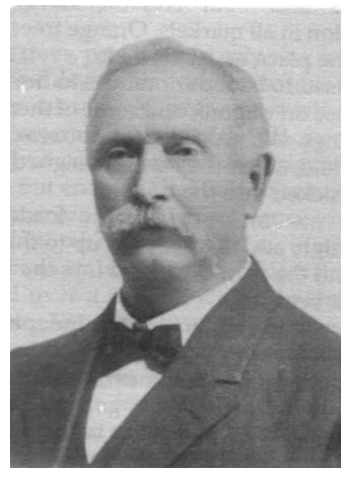
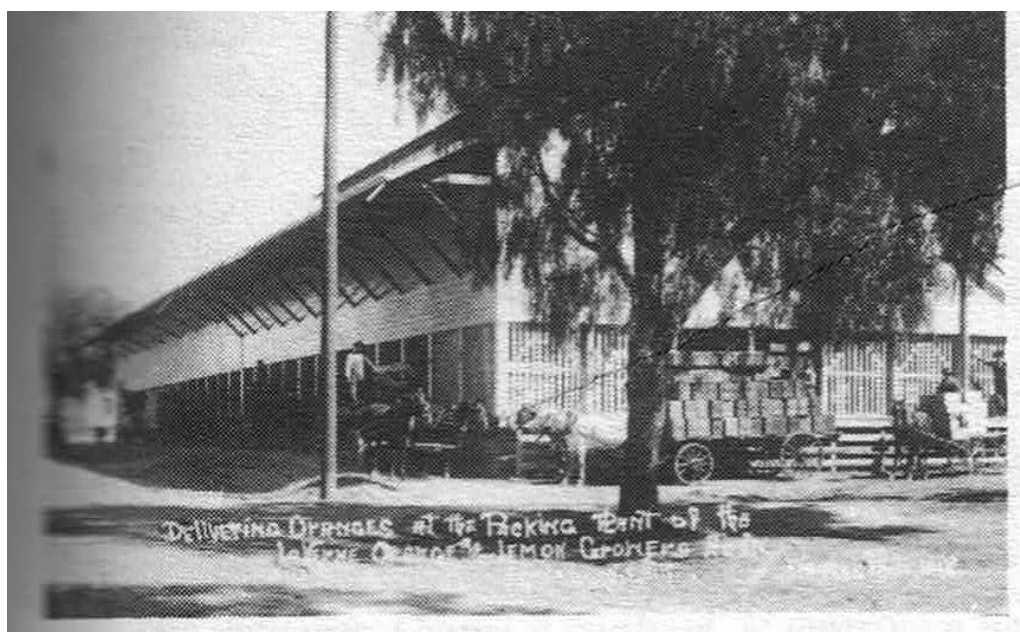
Marcus Sparks. Photo courtesy La Verne Historical Society. (Second photo) Marcus Sparks Packing House. Courtesy Frasher Collection, Pomona Public Library
In 1912, Lord’s business representative and ranch superintendent, J.C. Cross, and his wife, Cora, took ownership. Their descendants, the Forsyth family, held the home for more than a century—until 2019.
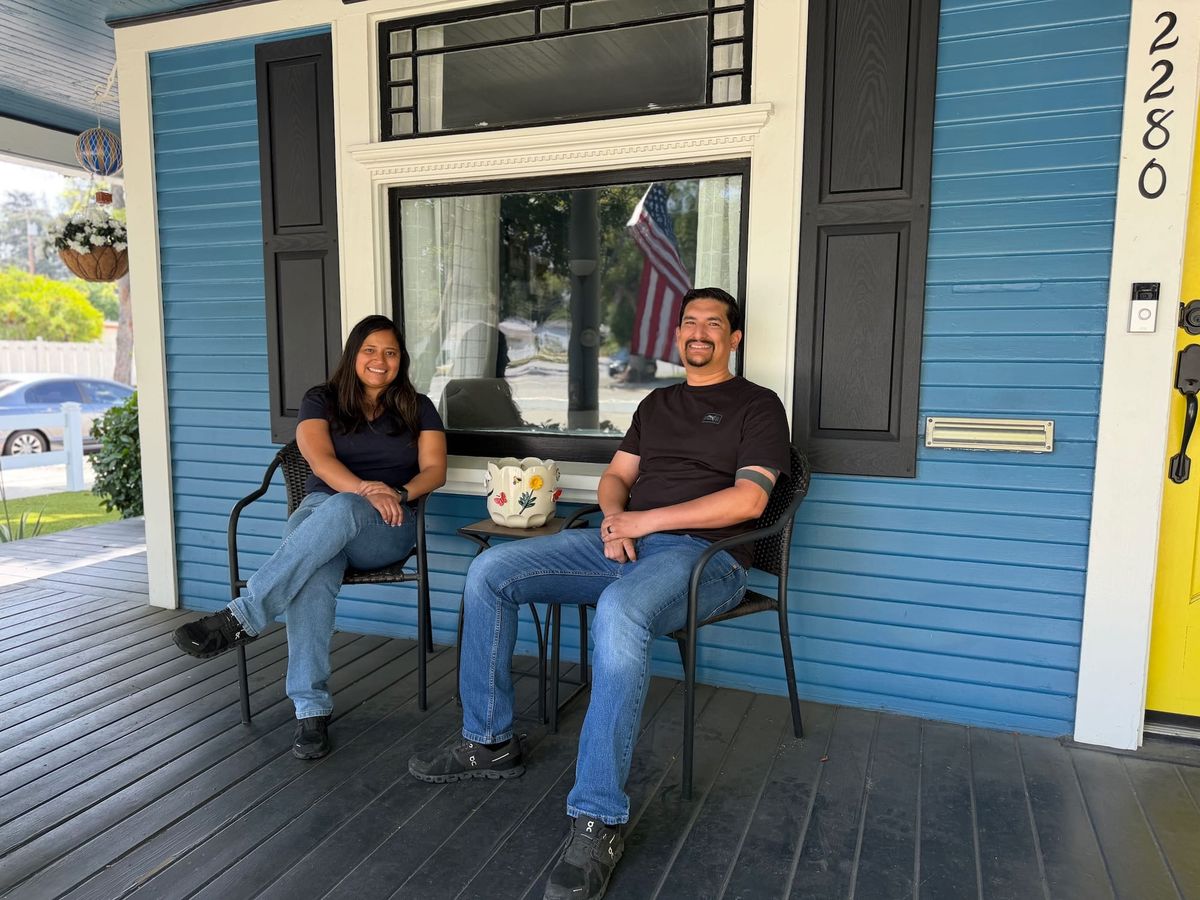
That continuity is part of what drew current owners Sara and Rafael Anguiano.
“It’s almost a living thing,” Rafael said. “It’s seen so many families pass through.”
The couple submitted an offer the same day they toured the property. For Rafael, a University of La Verne graduate who didn’t expect to return, the discovery felt serendipitous. For Sara, the appeal is rooted in something harder to replicate.
“They’re all unique, and they all have history,” she said.
Their first project: restoring the home’s original windows.
The property was recently designated a Living Landmark by the La Verne Historical Society. A dedication ceremony is expected in late May/early June.


