Election 2026 · Three Valleys Division 3
Three Valleys Water Board Candidates Answer Key Questions
Monica Aleman Gibbs, Jeff Hanlon and Sherry Shaw explain how they would approach water costs, supply reliability, infrastructure, conservation, and transparency.
It’s a busy time to serve on a local water board in California. Board members make decisions related to water prices, water supply, large infrastructure projects, and conservation measures at a time when the state is facing both frequent drought conditions and an increasing cost of living that’s left residents feeling the squeeze of any utility rate hikes.
This year, La Verne residents will choose between three contenders who hope to represent them on the board of the Three Valleys Municipal Water District. The board seat has sat vacant since June, when former board member Jeff Hanlon resigned to apply for a staff position at the water district. Hanlon is now running for office again, and facing challengers Monica Aleman Gibbs and Sherry Shaw.
Three Valleys Municipal Water District was established in 1950 and immediately joined the Metropolitan Water District of Southern California, which allowed Three Valleys to begin purchasing imported water from the Colorado River. Metropolitan Water District now provides imported water from both the Colorado River and the State Water Project to Three Valleys. This imported water represents the majority of the district’s water supply.
The water district’s 2024-2029 strategic plan identifies several priorities that aim to diversify the region’s water supply amid the state’s increasingly variable water future, including “programs to increase local water storage, interconnection with agencies, extraction of stored groundwater and increasing opportunities to store surplus water.”
The water district’s boundaries span 133 square miles and the district delivers water to 13 member agencies, including La Verne, Pomona, Covina, Glendora, Cal Poly Pomona, Mount San Antonio College, and Golden State Water Company, which in turn services customers in Claremont and San Dimas. Three Valleys serves as a water “wholesaler” to these member agencies, meaning it sells water to each member, who then set rates for their customers. Three Valleys Municipal Water District delivers water to the City of La Verne, which then delivers that water to our taps (after blending it with local groundwater).
Three Valleys is governed by a seven-member board, and La Verne falls into Division 3, which also includes Claremont and a small part of Pomona. Each board member serves a four-year term.
La Verne Daily News emailed questions to the three candidates running for the Division 3 board seat, asking each of them about their priorities and why they’re running. Each candidate’s written responses were only lightly edited for spelling errors or typos, and no other edits were made.
Key Election Dates
Read the candidates’ responses
Select a candidate below. Within each questionnaire, tap or click a topic to expand the questions and answers.
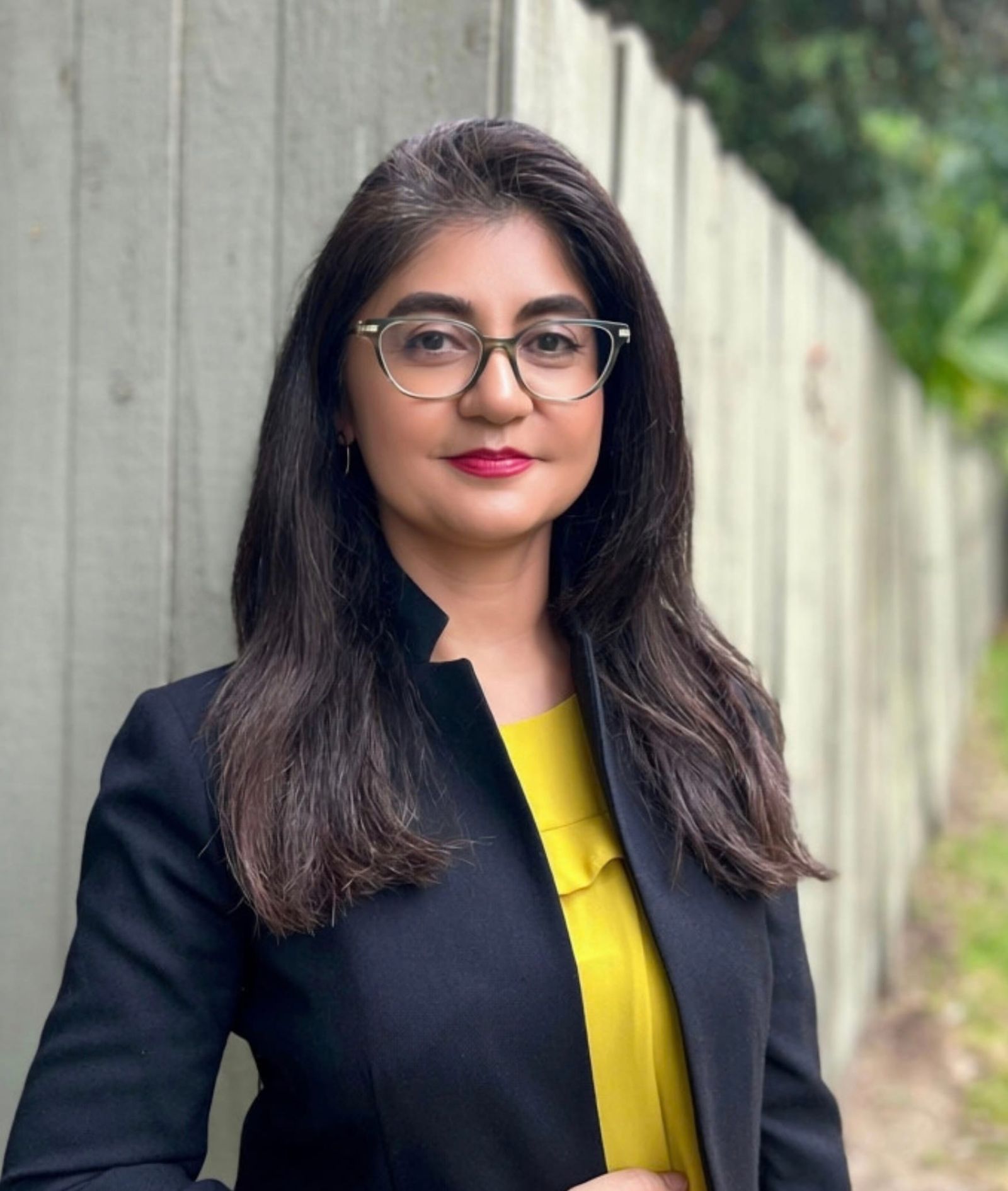
Division 3 candidate
Monica Aleman Gibbs
Background and motivationTell us about your background, why you are running and why residents should vote for you.
Editor’s Note: Monica Aleman Gibbs opted to combine her responses to the questions about her background and why she’s running.
Thank you to La Verne Daily for the opportunity to participate in this candidate survey.
Born and raised in Southern California, I am the daughter of Salvadoran immigrants who came to the United States in the 1960s seeking new opportunities. Growing up in Los Angeles among neighbors from diverse backgrounds shaped my appreciation for community and public service.
I moved to the San Gabriel Valley 17 years ago while working for the state legislature. My husband and I met in San Dimas, became engaged at the La Verne church where The Graduate was filmed, and eventually made our home here. We chose this area because we both grew up enjoying California’s foothills. This community is personal to us.
My decision to run for the water board became more urgent when I learned that local residents were experiencing brown water from their taps. As a local activist and breast cancer survivor, I understand how essential access to safe, reliable resources is to our quality of life. I want to help ensure our water remains safe, reliable, and affordable for every family in Division III.
I bring three things to this role.
First, water and infrastructure experience. I have worked on projects involving the San Gabriel River Dam, the Emerald Necklace, Elysian Reservoir, the Los Angeles River, and Echo Park Wetlands. My work has involved environmental requirements, Army Corps of Engineers regulations, and the challenge of coordinating multiple agencies and funding sources. I understand the complexity of infrastructure projects and the importance of planning for long- term reliability.
Second, government experience. I served as a field representative in the California State Legislature and a Los Angeles City Council office. I understand how public agencies operate, how funding decisions are made, and how to help residents navigate government and get their concerns addressed. I currently work as a public affairs consultant and educator, bringing experience in communication, policy, and public engagement.
Third, local roots. I have lived in the San Gabriel Valley for 17 years, graduated from Citrus College and Azusa Pacific University, and called Division III home with my husband for the past five years. This is not a stepping stone for me. It is my community.
Water challenges require regional thinking, responsible investment, and preparation for an uncertain future. Three Valleys must work effectively with its member agencies to strengthen local supplies, maintain critical infrastructure, pursue outside funding, and manage costs responsibly. We should embrace innovation while ensuring that public money delivers measurable results.
I believe effective leadership also means making complex decisions understandable to the people those decisions affect. Residents deserve transparency, meaningful opportunities to participate, and a board that holds itself accountable.
My approach is simple: show up, do the homework, follow the money, and explain decisions to the people who pay for them. I know how to ask the right questions. And when I don’t know something, I do the homework.
I will bring government experience, infrastructure knowledge, regional relationships, and a commitment to accountability to the board. My goal is straightforward: to help deliver clean, reliable, affordable water while protecting our resources for future generations.
ExperienceWhat are your current and previous occupations?
My experience includes serving as a field representative for the City of Los Angeles, the California State Assembly, and the California State Senate. These positions prepared me for a governance role with the Three Valleys Municipal Water District.
In these roles, I worked on water infrastructure projects and coordinated with federal and local agencies, including the U.S. Army Corps of Engineers, theEngineers the Environmental Protection Agency (EPA), and local water agencies. My work also involved knowledge of and coordination with agencies regarding the California Environmental Quality Act (CEQA), and the National Environmental Policy Act (NEPA). I am the only candidate with hands-on experience of watershed, dam, river, reservoir, and wetland projects.
Like Jody and Jorge, who serve on the current board, I bring government experience that is relevant to public governance and oversight.
I currently work as a public affairs consultant and educator.
PrioritiesWhat are your top two priorities for the water district and how will you accomplish them?
My priorities are infrastructure investment and the development of reliable local water supplies.
Diversifying our water sources through groundwater, storage and recovery, and water recycling, will help build long-term resilience. That includes treating contamination cleanup as core infrastructure, not an afterthought. We should reduce our vulnerability to imported water shortages by investing in local solutions while maintaining access to imported supplies as an important part of our regional water portfolio.
Conservation is one of our most cost-effective tools. California's SB 72 establishes a statewide planning target of 9 million acre-feet of additional water supply, storage capacity, or conservation by 2040. Three Valleys should work with its member agencies and regional partners to identify practical conservation measures and improve long-term water reliability.
Every gallon we save is a gallon we may not need to purchase, treat, or transport from an imported source. Conservation should be part of a broader strategy that evaluates the cost and reliability of every water investment.
Storage and groundwater recharge are essential. We should explore opportunities to capture stormwater at facilities such as the San Antonio spreading grounds and recharge groundwater basins, including the Six Basins and Chino Basin, in coordination with the agencies responsible for their management. Protecting recharge capacity and addressing emerging threats to water infrastructure must also be part of our long-term planning.
Recycled water offers significant opportunities for the future. Recycled water currently represents a relatively small share of our regional supply, leaving room for growth. Regional initiatives such as Metropolitan's Pure Water Southern California project demonstrate the potential of advanced water recycling, although these projects require careful evaluation of cost, energy use, infrastructure, and long-term benefits.
I would apply three questions to every major project: What is the cost per acre-foot? How much reliability does it add? How much outside funding can we leverage?
Imported water remains an important part of our regional supply and our safety net. We should not abandon it, but we should reduce our vulnerability to shortages and price increases by developing more local options. Three Valleys should aggressively pursue appropriate grants and state and federal funding to support these investments.
ChallengesWhat are the two biggest challenges facing Three Valleys, and how will you address them?
The two biggest challenges facing Three Valleys are building a more local, reliable water supply and maintaining resilient infrastructure while keeping costs affordable for ratepayers.
Three Valleys needs to reduce its vulnerability to state imported water shortages and/or disruptions. Three Valleys’ own Capital Improvement Plan states that we rely on imported supplies for approximately 50 to 60 percent of our water. We do not have control over earthquakes or droughts, but we can prepare for them.
I would support expanding local groundwater supplies, improving storage and recovery, advancing water recycling, where it financially makes sense, and pursuing state and federal grants and regional partnerships to help pay for these investments. We should evaluate every project on its expected water benefits, cost, and long-term reliability.
Also, we must maintain and strengthen the infrastructure that delivers water when people need it. Three Valleys’ capital plan identifies $17.3 million in projects over five years, including repairs and replacements for aging facilities and systems. I would prioritize projects based on safety, condition, reliability, and urgency; prepare for earthquakes and other emergencies; and require clear budgets, timelines, and progress reports. I would also scrutinize major regional water-project commitments and ask what ratepayers will receive in return for the money invested.
These challenges are connected: a reliable water supply is only useful if our infrastructure can deliver it, and neither goal should come at an unnecessary cost to the public. My approach is to plan ahead, pursue outside funding, ask tough questions, and make decisions transparently. We need a water system that is reliable in a crisis, financially responsible in the long term, and accountable to the communities it serves.
Water ratesWhen Metropolitan raises rates, should Three Valleys absorb the cost, pass it through or take another approach?
Three Valleys is a wholesale water agency. Think of it as a big box supplier. Three Valleys purchases water in bulk from the Metropolitan Water District of Southern California (MWD) and supplies it to its local member agencies, which then serve their own customers.
When Metropolitan raises its rates, Three Valleys must evaluate the effect on the agencies and ratepayers it serves, by extension.
Passing every increase directly onto ratepayers does not demonstrate responsible financial management. However, absorbing every increase from its reserves is also unsustainable and could weaken the agency’s ability to respond to emergencies, major infrastructure failures like pipeline breaks, or drought.
Three Valleys should pass on costs responsibly while protecting the safety and reliability of the water supply and the long-term stability of our infrastructure. Three Valleys should identify realistic cost-saving opportunities and evaluate appropriate use of its reserves.
Whenever possible, I would seek ways to reduce avoidable costs. I would also pursue outside funding like grants and manage the financial impact on local member agencies. My goal would be to keep water affordable, given the rising cost of living in general, without compromising the safety and reliability of our water supply and infrastructure.
Water supplyHow much water should come from imported supplies versus local groundwater and recycled water?
Three Valleys' own planning documents describe our region as heavily reliant on imported water, with the share continually varying by portfolio and reporting period. That dependence leaves us vulnerable to drought, supply restrictions, and rising costs.
I would invest in local water opportunities to diversify our supply and reduce that vulnerability. Rather than promise a specific percentage without first confirming the appropriate baseline and feasibility, I would work with district staff and regional partners to establish measurable, achievable targets for local supply development during my first term.
I would push to expand opportunities for storage and groundwater recharge in the Six Basins and Chino Basin so we can capture water when it is available and use it when needed. Three Valleys should treat contamination cleanup as core infrastructure, not an afterthought, and aggressively pursue appropriate state and federal funding to support this work.
We should also pursue opportunities through projects such as Pure Water Southern California and the Groundwater Reliability Improvement Program (GRIP), a regional groundwater reliability initiative. These projects can help strengthen local supplies, but they must be evaluated on cost, feasibility, and measurable benefits.
Three Valleys has reported securing $35 million in federal funding through the Water Resources Development Act of 2024 for GRIP. This is an important example of the outside funding that can help advance regional water reliability projects.
In my first term, I would work to establish a clear baseline for imported and local supplies, identify practical opportunities to increase local production and storage, and report progress publicly. The goal is not to eliminate imported water; it is to build a more diverse and resilient supply portfolio.
ConservationHow would you approach state water conservation measures, including the ban on irrigating “non-functional turf” with potable water?
I support responsible water conservation, and I believe state requirements should be implemented with clear guidance, practical timelines, and attention to cost.
California's ban on irrigating nonfunctional turf with potable water is an opportunity to reduce waste and preserve drinking water for essential uses. We should help affected property owners understand the requirements and identify alternatives, including drought-tolerant landscaping and recycled water where available. We should also protect trees and maintain green spaces that serve genuine recreational and community purposes.
As a Three Valleys director, I would work with member agencies to communicate requirements clearly, identify available rebates and outside funding, and evaluate the costs and water savings of conservation programs. Conservation should be measurable and cost-effective, not simply a compliance exercise.
Every gallon saved can help reduce demand on imported supplies and improve long-term water reliability. Our goal should be to conserve intelligently, protect ratepayers, and ensure that today's decisions strengthen our water future.
Delta ConveyanceWhat is your stance on the state’s Delta Conveyance Project?
I want to establish measurable results before spending public money. We must be willing to stop a project that isn't working.
Millions of dollars spent on planning and environmental reviews cannot be recovered. But past spending should not be the sole reason to move forward with a project. Every dollar we spend should deliver reliable water, protect ratepayers, and provide better value.
As a Three Valleys director, I would insist on transparent accounting of what our district has already paid, what obligations remain, and what the projected costs could mean for our member agencies and the people who ultimately pay the bills. I would want a clear comparison of the project’s expected benefits, risks, and long-term costs against investments in local water supplies, recycling, storage, conservation, and infrastructure improvements. I would want clear benchmarks for success, and, if possible, independent scrutiny of whether projected benefits justify the investment.
I also believe we need to take earthquake resilience seriously. California’s water system depends on infrastructure that must withstand major seismic events and deliver water when communities need it most. We have made significant progress in reducing water use, but conservation alone cannot replace reliable, resilient infrastructure.
My approach is to follow the money, ask hard questions, compare alternatives, and make decisions based on measurable benefits, not based on past spending or political pressure. Ratepayers deserve nothing less.
TransparencyWhat would you change so residents can better follow the water board’s decisions?
Three Valleys serves a substantial regional population. While speaking with voters face-to-face, I learned that many people are unfamiliar with the agency, its management, and how water reaches their homes. That is not a failure on the part of ratepayers. It is an opportunity for Three Valleys to communicate more effectively.
When a public agency spends public money and makes decisions that affect water costs, its directors have a duty to explain what they are doing and why in plain language. Transparency is not simply posting a lengthy board packet online. Accountability starts with access. If people cannot understand what Three Valleys is doing, they cannot meaningfully hold the agency accountable.
Residents should be able to understand how decisions affect them and know whom to contact with questions. That is the standard I would hold myself to.
I would advocate for a stronger public-facing digital presence, including accessible social media communications and a website that makes board decisions, project updates, budgets, and water-supply information easier to understand.
There should also be a consistent community outreach presence. A district representative should attend community meetings and local events to keep residents informed about changes affecting our water supply, rather than relying solely on residents to attend weekday board meetings in Claremont. Not everyone can take time off work to attend a morning meeting.
As an educator, I would also work with local schools and colleges to help students understand where their water comes from and how they can help conserve it.
When a major rate change or capital project is being considered, I would advocate for meaningful public workshops early in the process, before the board votes, so residents have an opportunity to ask questions and provide input while decisions can still be influenced.
GovernanceHow would you work to preserve a nonpartisan atmosphere?
When I decided to run for office, I reached out to local elected officials to introduce myself and begin building relationships across our communities.
During my career in city and state government, I learned the importance of working across party lines. I do not recall a time when I stopped to ask someone's political affiliation before doing my job.
Water reliability, infrastructure, affordability, and public accountability affect everyone. I would approach the board's work with an open mind, respect differing perspectives, and focus on evidence, responsible management, and the needs of the residents we serve rather than partisan politics.
Closing statementsIs there anything else you would like residents to know?
I hope this race will bring about meaningful change at the board. I am encouraged by the level of engagement in this race, and I hope that engagement continues beyond Election Day.
I would also love for my campaign to serve as a testament to cancer survivors: a diagnosis does not mean our lives are over or that our ambitions must end. We can continue to grow, take on new challenges, and accomplish things we may never have imagined possible.
I hope my campaign serves as an example of that determination and reminds others that there is always room to make a difference in the communities we call home.
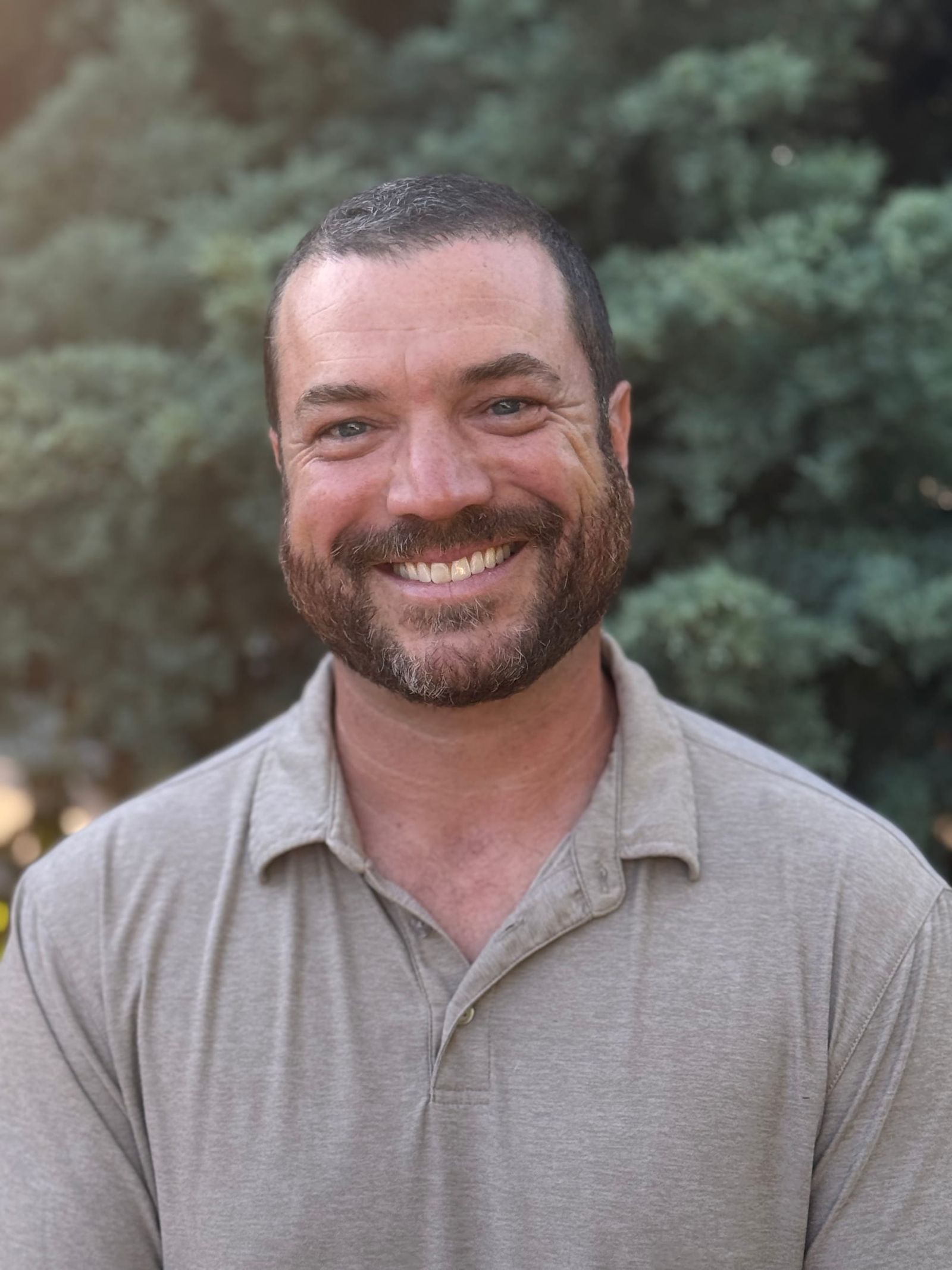
Division 3 candidate
Jeff Hanlon
Background and motivationTell us about your background, why you are running and why residents should vote for you.
Background I am water policy specialist with a doctorate in Public Administration and Policy from the University of Arizona. I have fifteen years of experience researching and teaching US water policy at the University level, with more than ten publications on the subject. I served on the board of Three Valleys after being elected in 2022 until June of 2026. I resigned from the board to apply for a senior staff position as Government Affairs Manager at the agency because I loved the work there so much. It was the only ethical way to apply for the job without creating a conflict of interest for staff. I was not selected, so I am running for another term as was the original plan and would be thrilled to continue my important work on the board.
Why this candidate is running I’m running because I have already been involved in important planning work at the agency and wish to continue it for the benefit of our communities. Water policy is a passion, and I am deeply involved in the problems and opportunities in our region. For example, during my first term, I was one of the most active board members at other related agencies. I sat on the board of our local groundwater authority, served as the agency liaison to the San Gabriel Watermaster, stayed up to date on all meetings of the Chino Basin Watermaster, and attended or watched every Metropolitan Water District meeting after having strategy meetings with our representative to that board. I think we have some great strategic opportunities to develop a much greater groundwater portfolio, which takes the stress off of our imported water supplies in times of drought, and may lead to serious cost savings. If people want a representative who has deep knowledge of our water system, the budgeting process, cost implications of various infrastructure upgrades, the politics of the MWD, and who has a great working relationship with the board and staff of Three Valleys, they should vote for me.
ExperienceWhat are your current and previous occupations?
I currently operate a general home repair and remodeling business, which I started after retiring from academia last year. Previously, I was an associate professor of Political Science at Whittier College and Northern Arizona University before that.
PrioritiesWhat are your top two priorities for the water district and how will you accomplish them?
My top two priorities are to help shore up water supply reliability, and to keep pursuing regional groundwater storage agreements. The two are absolutely connected. Here in Division 3, we are solely reliant on groundwater and imported water from the State Water Project. La Verne has healthy groundwater rights and is able to produce much of its own water “in house”. The balance is bought from Three Valleys. In times of intense drought, that becomes unreliable. The same is true for Claremont, except that Claremont residents purchase their water from a private company with its own groundwater rights. Three Valleys owns and operates its own water treatment plant, which creates a lot of cost savings to retailers as its able to purchase raw water and treat it before sale. But when raw water from the State Water Project is in short supply, we begin rationing. If the agency can pursue new and expanded purchase and storage agreements with MWD and other neighboring water agencies in the San Gabriel Valley, we may be able to purchase and store water when it’s plentiful at today’s prices and take it out to treat and deliver tomorrow. Overall, we must shrink the geography of our system to improve reliability. Similarly, I would continue to vocally advocate for MWD’s Pure Water Southern California project, which would deliver up to 150 million gallons of potable recycled water to our region daily.
ChallengesWhat are the two biggest challenges facing Three Valleys, and how will you address them?
The two biggest challenges are infrastructure and planning. These are also the two biggest opportunities. Like much American infrastructure, most of our water conveyance around the state and region was built sixty plus years ago. Upgrades and repairs will be required in order to prevent emergencies. Likewise, our infrastructure is built to take water from upstate and the Colorado River and then convey it to retailers to blend with their groundwater and deliver to customers. Those sources are less reliable today. We need to plan for a new generation of infrastructure that captures stormwater during deluge, recycles wastewater produced locally, stores these supplies in groundwater aquifers, and delivers to retailers year round, during all climate conditions. It’s a tall task, but can be accomplished with prudent planning and investment.
Water ratesWhen Metropolitan raises rates, should Three Valleys absorb the cost, pass it through or take another approach?
Three Valleys purchases raw water from MWD, treats it at its facility in Claremont, and delivers the treated water to its many retailers. As the operational costs of the State Water Project increase and we experience water rights cuts to the Colorado source, MWD rates will increase. As major infrastructure improvements need to be made, rates will increase. When these infrastructural marvels were built, they were done so primarily through property taxes, just like schools, highways, police and fire. We have since cut that down to less than 1 percent of the operational budget, thus leaving nearly the entire burden on rates and ratepayer fees. Three Valleys must pass these costs on- there is no way to “absorb” the costs, as it would bankrupt the agency. The best strategy we have is to pursue cyclic storage agreements with MWD, try to generate new groundwater leases from neighboring water rights holders, and continuing to operate our own water treatment facility to avoid purchasing much more expensive treated water. Anyone who promises to bring rates down is being disingenuous. Rates will continue to increase, but we have tools to blunt the pain. I would urge my fellow ratepayers to consider the cost of the service of providing water to our corner of California and consider its relative expense of about two cents per gallon as we evaluate our strategies for the future.
Water supplyHow much water should come from imported supplies versus local groundwater and recycled water?
It would be wonderful if all of our water came from local groundwater supplies, but that is not enough to support the density of the communities we have developed over time. I think I have already explained how committed I am to improving our stake in local groundwater, as we sit on two very valuable aquifers. The Pomona Basin is very well managed and at a healthy level. Much storage capacity remains in the San Gabriel basin, and if we can purchase and store more water there, that is ideal. Likely, that purchased water would still come from the State Water Project (imported), but could be purchased and stored ahead of use rather than just-in-time. I would continue the work of evaluating different options of the Groundwater Replenishment Improvement Program, and “move that number” by building out our storage capacity in the San Gabriel Valley.
Our Division doesn’t use any Colorado River water, but it's pretty obvious to us all that we cannot rely on that source into the future.
ConservationHow would you approach state water conservation measures, including the ban on irrigating “non-functional turf” with potable water?
Using potable water to irrigate lawns, schools and sports fields is a good use of water.
Watering our large shade- giving trees is a good use of water. Using potable water to irrigate nonfunctional turf, like thirsty grasses on commercial or institutional properties that no one ever steps foot on except to mow is a poor use of water. I applaud the ban on watering nonfunctional turf, as it means that we are not wasting a precious resource on a purely ornamental and climate-inappropriate method of landscaping. We need green space for ourselves and our kids, absolutely- those are our water needs. We don’t need grass on curbed medians separating parking lots.
Delta ConveyanceWhat is your stance on the state’s Delta Conveyance Project?
I am generally in favor of the Delta Conveyance Project, however I don’t have high hopes for its implementation. The project would create a subterranean tunnel from the Sacramento River under the Bay Delta to the State Water Project. It has been planned and fought over since the 1960s. It would have big benefits- better State Water Project water quality, the ability to take excess storm flow when it occurs without disrupting salmon runs, healthier for other Delta fish species, more natural tidal and river flows.
However, it's one of these projects that never seems to get closer to fruition. It's also extraordinarily expensive. I think we should spend our money first on a project that we can control locally without getting state politicians involved. That is PureWater Southern California. PureWater would recycle 150 million gallons of wastewater daily using the same technology as desalination but at a lower cost. It would keep that water local. And it's shovel ready.
TransparencyWhat would you change so residents can better follow the water board’s decisions?
I would encourage residents to come to meetings or view them remotely online. I would encourage them to engage with their local representatives. I would encourage them to ask their City Councils to request updates from the Water District. In the last four years I have received one request to give a water supply update to a City Council. Water Board members actually do a lot of work month to month and are happy to share, as it is our passion. I think most people simply (and fairly) think about water when they look at their monthly bill for water service, but we all need to do a better job of keeping conversations about our overall water supply in the public discourse.
GovernanceHow would you work to preserve a nonpartisan atmosphere?
The Board of Three Valleys is a wonderful and politically diverse group of individuals.
They all have their broader political and partisan ideas and differences, but agree on 90 percent of issues, and never really disagree based on a traditionally partisan issue.
Maintaining a sense of respect, decorum, and honesty about what the agency does and should do is our best tool. Also, this is a “single issue” office so it’s crucial to elect water policy experts to the board, not just obedient party members of either stripe. I’m proud to serve alongside board colleagues who vote differently than I for the the president or governor, but who I can trust to be water experts and work tirelessly and honestly for our constituents. It’s the best version of local government.
Closing statementsIs there anything else you would like residents to know?
I was honored to be elected in 2022 and I would be honored to be elected again. Three Valleys does a lot of unheralded work in helping keep water coming out of the taps whenever we turn them on. Our challenges are big and complex, but I bring the needed balance of practical know-how, a deep love of the communities I served, and a desire to shape our future water supply.
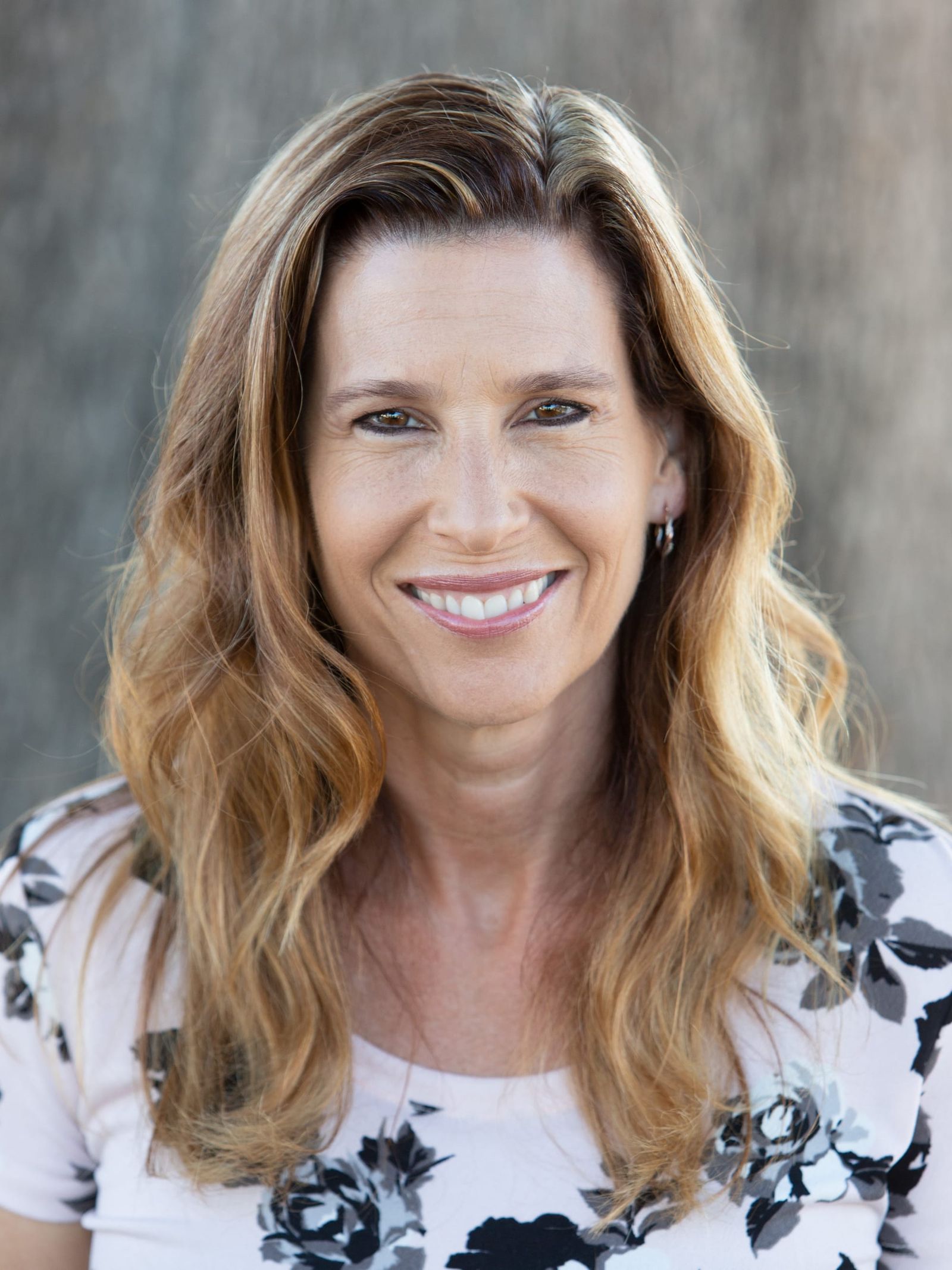
Division 3 candidate
Sherry Shaw
Background and motivationTell us about your background, why you are running and why residents should vote for you.
Background I have worked in the water industry as an engineer for 35 years, which has been my primary area of expertise. I chose this profession because I enjoy solving complex problems and, ultimately, helping people and the communities they serve. I have also spent 25 years working for Walnut Valley Water District, including my final two years as General Manager and Chief Engineer. Throughout my career, I have developed a reputation for being tenacious, persistent, and committed to seeing important issues through to completion.
Over the years, I have worked closely with Three Valleys staff and Board members on important issues, including major capital improvement projects and, most recently, the preparation of the annual budget and implementation of its new fixed-rate business model. This firsthand experience gives me a strong understanding of the District's operations, financial challenges, and relationship with its member agencies.
Before joining Walnut Valley, I also worked with two different consulting firms, which gave me extensive familiarity with the City of La Verne's Water Master Plan and Golden State Water Company's system serving Claremont. This experience provided me with valuable insight into both cities' balance between imported water and groundwater, as well as the water-quality challenges they continue to address.
I am also in a different phase of my life now that I am retired, which allows me to devote the time and attention necessary to serve effectively on the Three Valleys Board. I am committed to providing consistent, reliable leadership for the full four-year term.
Why this candidate is running I have worked with Three Valleys Municipal Water District from the member-agency side, representing Walnut Valley Water District, in various capacities for 25 years. My most recent position was General Manager, a role I held for the last two years. Throughout my career, I have often expressed my desire to serve on the Three Valleys Board once I retired from Walnut Valley.
It was somewhat unexpected that the Division 3 seat became vacant within two weeks of my retirement. Given my background and experience, I felt that my skill set was well suited to serve in this capacity, and I did not want the communities of Claremont and La Verne to go unrepresented until December. Unfortunately, the Board ultimately chose not to appoint someone to fill the vacancy, but to go to election instead. I am in a different phase of my life now that I am retired, which allows me to devote the time and attention necessary to serve effectively on the Three Valleys Board. I am committed to providing consistent, reliable leadership for the full four-year term.
Most importantly, I believe my combination of engineering expertise, 25 years of experience as a Three Valleys member agency, two years as a General Manager, and longstanding relationships with Three Valleys staff and Board members gives me an intimate understanding of the District and the issues it faces. I believe that experience makes me exceptionally well qualified to serve Division 3.
ExperienceWhat are your current and previous occupations?
-Currently retired since June 30, 2026 -Walnut Valley Water District (Walnut) - Engineering Manager, Director of Engineering, General Manager/Chief Engineer (2000-2026) -Civiltec Engineering (Monrovia) - Project Engineer (1996-2000) -Stetson Engineers (West Covina) - Staff Engineer (1993-1996)
PrioritiesWhat are your top two priorities for the water district and how will you accomplish them?
1. Working closely with Three Valleys staff on annual budgets and rate adjustments. Metropolitan Water District's shift toward higher fixed charges, combined with declining usage-based revenue, puts significant pressure on rates. Three Valleys has translated those fixed costs to member agencies through a fair allocation methodology based on Equivalent Dwelling Units (EDUs). I will be attending MWD meetings as the budget process kicks off again this coming February and will communicate to MWD any potential to "push back", as needed, and that Three Valleys is keeping a watchful eye on the rate setting process. I would also continue to advocate for the use of ad valorem property tax revenues to help stabilize and reduce rates.2. Increasing communication and outreach to our communities. I would provide quarterly presentations at City Council meetings to explain the challenges facing Three Valleys and identify opportunities for Claremont and La Verne to take advantage of programs already in place to save money, including free irrigation leak repairs and water conservation programs.
ChallengesWhat are the two biggest challenges facing Three Valleys, and how will you address them?
1. Again, working closely with Three Valleys staff on annual budgets and rate adjustments. As mentioned in the last question, as MWD continues to shift more of their rates over to the fixed rate business model, Three Valleys has to pay attention every year as the budget is being prepared and be ready to negotiate this each year.
2. Infrastructure Replacement. I closely followed the major pipeline leak and subsequent repairs undertaken by Three Valleys during 2023–2024. That experience reinforced my view that proactive infrastructure replacement is essential. My engineering and management background is heavily focused on capital improvement programs and understanding how those investments affect rate studies and long-term financial planning.Water ratesWhen Metropolitan raises rates, should Three Valleys absorb the cost, pass it through or take another approach?
My approach has always been proactive. As I mentioned previously, this process begins in early February of each calendar year when MWD is developing its budget. During this stage, MWD must be held accountable, and negotiations should occur as the budget is being formulated, including discussions regarding the use of ad valorem (property) taxes. Once MWD finalizes its budget, Three Valleys has additional options available. For example, the Three Valleys budget includes rate stabilization mechanisms that may be utilized to absorb cost increases.
Water supplyHow much water should come from imported supplies versus local groundwater and recycled water?
La Verne should continue to maximize the use of local groundwater supplies rather than relying on imported water whenever feasible, as local supplies are generally more sustainable over the long term. Three Valleys and I strongly support the development of collaborative projects that increase local water resources. However, groundwater quality can present challenges, often requiring treatment that increase costs beyond Three Valleys' discounted rates for clean, reliable, imported water. With the availability of state funding, many of these projects become more financially viable and achievable. Three Valleys staff and I will continue to actively pursue funding opportunities and support local projects that enhance water supply reliability and sustainability.
ConservationHow would you approach state water conservation measures, including the ban on irrigating “non-functional turf” with potable water?
The Water Use Efficiency (WUE) requirements established by SB 606 and AB 1668 have been challenging for many water agencies to implement. Many agencies have expressed concerns that the calculation methodologies do not fully account for local conditions, including non-irrigable land, and may result in standards that are difficult to achieve. As a result, water agencies throughout California have been collaborating to advocate for refinements to the methodology and implementation process. In the long term, these requirements may increase costs for ratepayers if agencies are required to make substantial investments to meet the prescribed standards. In addition, state regulations regarding nonfunctional turf require local jurisdictions to adopt ordinances supporting the removal of certain nonfunctional turf areas. I have observed instances where jurisdictions have reevaluated land use classifications to distinguish between functional and nonfunctional turf. At the same time, many ornamental landscape areas can and should be converted to drought-tolerant landscaping that is both attractive and water efficient.
Delta ConveyanceWhat is your stance on the state’s Delta Conveyance Project?
The Delta Conveyance Project is important for maintaining a reliable long-term water supply, particularly as water supplies from the Colorado River are expected to become increasingly constrained. The project would also provide benefits for protecting and improving the resilience of the Delta ecosystem. However, I am a stronger proponent of the Pure Water Project in Carson, as it represents a more sustainable local water supply solution that enhances regional reliability and reduces dependence on imported water.
TransparencyWhat would you change so residents can better follow the water board’s decisions?
I would like to provide quarterly updates to the Claremont and La Verne City Councils regarding the key issues and challenges currently facing Three Valleys.
GovernanceHow would you work to preserve a nonpartisan atmosphere?
I believe that focusing on addressing the issues at hand and serving the broader community will help preserve a nonpartisan atmosphere.
Closing statementsIs there anything else you would like residents to know?
I will be refusing to collect the medical benefits offered to Three Valleys Board members, which will save Three Valleys a lot of money up front.
Compare the candidates’ answers
Select a question to read each candidate’s response. Candidates appear in the same order throughout the guide.
Background and motivationTell us about your background, why you are running and why residents should vote for you.
Monica Aleman Gibbs
Division 3 candidate
Editor’s Note: Monica Aleman Gibbs opted to combine her responses to the questions about her background and why she’s running.
Thank you to La Verne Daily for the opportunity to participate in this candidate survey.
Born and raised in Southern California, I am the daughter of Salvadoran immigrants who came to the United States in the 1960s seeking new opportunities. Growing up in Los Angeles among neighbors from diverse backgrounds shaped my appreciation for community and public service.
I moved to the San Gabriel Valley 17 years ago while working for the state legislature. My husband and I met in San Dimas, became engaged at the La Verne church where The Graduate was filmed, and eventually made our home here. We chose this area because we both grew up enjoying California’s foothills. This community is personal to us.
My decision to run for the water board became more urgent when I learned that local residents were experiencing brown water from their taps. As a local activist and breast cancer survivor, I understand how essential access to safe, reliable resources is to our quality of life. I want to help ensure our water remains safe, reliable, and affordable for every family in Division III.
I bring three things to this role.
First, water and infrastructure experience. I have worked on projects involving the San Gabriel River Dam, the Emerald Necklace, Elysian Reservoir, the Los Angeles River, and Echo Park Wetlands. My work has involved environmental requirements, Army Corps of Engineers regulations, and the challenge of coordinating multiple agencies and funding sources. I understand the complexity of infrastructure projects and the importance of planning for long- term reliability.
Second, government experience. I served as a field representative in the California State Legislature and a Los Angeles City Council office. I understand how public agencies operate, how funding decisions are made, and how to help residents navigate government and get their concerns addressed. I currently work as a public affairs consultant and educator, bringing experience in communication, policy, and public engagement.
Third, local roots. I have lived in the San Gabriel Valley for 17 years, graduated from Citrus College and Azusa Pacific University, and called Division III home with my husband for the past five years. This is not a stepping stone for me. It is my community.
Water challenges require regional thinking, responsible investment, and preparation for an uncertain future. Three Valleys must work effectively with its member agencies to strengthen local supplies, maintain critical infrastructure, pursue outside funding, and manage costs responsibly. We should embrace innovation while ensuring that public money delivers measurable results.
I believe effective leadership also means making complex decisions understandable to the people those decisions affect. Residents deserve transparency, meaningful opportunities to participate, and a board that holds itself accountable.
My approach is simple: show up, do the homework, follow the money, and explain decisions to the people who pay for them. I know how to ask the right questions. And when I don’t know something, I do the homework.
I will bring government experience, infrastructure knowledge, regional relationships, and a commitment to accountability to the board. My goal is straightforward: to help deliver clean, reliable, affordable water while protecting our resources for future generations.
Jeff Hanlon
Division 3 candidate
Background I am water policy specialist with a doctorate in Public Administration and Policy from the University of Arizona. I have fifteen years of experience researching and teaching US water policy at the University level, with more than ten publications on the subject. I served on the board of Three Valleys after being elected in 2022 until June of 2026. I resigned from the board to apply for a senior staff position as Government Affairs Manager at the agency because I loved the work there so much. It was the only ethical way to apply for the job without creating a conflict of interest for staff. I was not selected, so I am running for another term as was the original plan and would be thrilled to continue my important work on the board.
Why this candidate is running I’m running because I have already been involved in important planning work at the agency and wish to continue it for the benefit of our communities. Water policy is a passion, and I am deeply involved in the problems and opportunities in our region. For example, during my first term, I was one of the most active board members at other related agencies. I sat on the board of our local groundwater authority, served as the agency liaison to the San Gabriel Watermaster, stayed up to date on all meetings of the Chino Basin Watermaster, and attended or watched every Metropolitan Water District meeting after having strategy meetings with our representative to that board. I think we have some great strategic opportunities to develop a much greater groundwater portfolio, which takes the stress off of our imported water supplies in times of drought, and may lead to serious cost savings. If people want a representative who has deep knowledge of our water system, the budgeting process, cost implications of various infrastructure upgrades, the politics of the MWD, and who has a great working relationship with the board and staff of Three Valleys, they should vote for me.
Sherry Shaw
Division 3 candidate
Background I have worked in the water industry as an engineer for 35 years, which has been my primary area of expertise. I chose this profession because I enjoy solving complex problems and, ultimately, helping people and the communities they serve. I have also spent 25 years working for Walnut Valley Water District, including my final two years as General Manager and Chief Engineer. Throughout my career, I have developed a reputation for being tenacious, persistent, and committed to seeing important issues through to completion.
Over the years, I have worked closely with Three Valleys staff and Board members on important issues, including major capital improvement projects and, most recently, the preparation of the annual budget and implementation of its new fixed-rate business model. This firsthand experience gives me a strong understanding of the District's operations, financial challenges, and relationship with its member agencies.
Before joining Walnut Valley, I also worked with two different consulting firms, which gave me extensive familiarity with the City of La Verne's Water Master Plan and Golden State Water Company's system serving Claremont. This experience provided me with valuable insight into both cities' balance between imported water and groundwater, as well as the water-quality challenges they continue to address.
I am also in a different phase of my life now that I am retired, which allows me to devote the time and attention necessary to serve effectively on the Three Valleys Board. I am committed to providing consistent, reliable leadership for the full four-year term.
Why this candidate is running I have worked with Three Valleys Municipal Water District from the member-agency side, representing Walnut Valley Water District, in various capacities for 25 years. My most recent position was General Manager, a role I held for the last two years. Throughout my career, I have often expressed my desire to serve on the Three Valleys Board once I retired from Walnut Valley.
It was somewhat unexpected that the Division 3 seat became vacant within two weeks of my retirement. Given my background and experience, I felt that my skill set was well suited to serve in this capacity, and I did not want the communities of Claremont and La Verne to go unrepresented until December. Unfortunately, the Board ultimately chose not to appoint someone to fill the vacancy, but to go to election instead. I am in a different phase of my life now that I am retired, which allows me to devote the time and attention necessary to serve effectively on the Three Valleys Board. I am committed to providing consistent, reliable leadership for the full four-year term.
Most importantly, I believe my combination of engineering expertise, 25 years of experience as a Three Valleys member agency, two years as a General Manager, and longstanding relationships with Three Valleys staff and Board members gives me an intimate understanding of the District and the issues it faces. I believe that experience makes me exceptionally well qualified to serve Division 3.
ExperienceWhat are your current and previous occupations?
Monica Aleman Gibbs
Division 3 candidate
My experience includes serving as a field representative for the City of Los Angeles, the California State Assembly, and the California State Senate. These positions prepared me for a governance role with the Three Valleys Municipal Water District.
In these roles, I worked on water infrastructure projects and coordinated with federal and local agencies, including the U.S. Army Corps of Engineers, theEngineers the Environmental Protection Agency (EPA), and local water agencies. My work also involved knowledge of and coordination with agencies regarding the California Environmental Quality Act (CEQA), and the National Environmental Policy Act (NEPA). I am the only candidate with hands-on experience of watershed, dam, river, reservoir, and wetland projects.
Like Jody and Jorge, who serve on the current board, I bring government experience that is relevant to public governance and oversight.
I currently work as a public affairs consultant and educator.
Jeff Hanlon
Division 3 candidate
I currently operate a general home repair and remodeling business, which I started after retiring from academia last year. Previously, I was an associate professor of Political Science at Whittier College and Northern Arizona University before that.
Sherry Shaw
Division 3 candidate
-Currently retired since June 30, 2026 -Walnut Valley Water District (Walnut) - Engineering Manager, Director of Engineering, General Manager/Chief Engineer (2000-2026) -Civiltec Engineering (Monrovia) - Project Engineer (1996-2000) -Stetson Engineers (West Covina) - Staff Engineer (1993-1996)
PrioritiesWhat are your top two priorities for the water district and how will you accomplish them?
Monica Aleman Gibbs
Division 3 candidate
My priorities are infrastructure investment and the development of reliable local water supplies.
Diversifying our water sources through groundwater, storage and recovery, and water recycling, will help build long-term resilience. That includes treating contamination cleanup as core infrastructure, not an afterthought. We should reduce our vulnerability to imported water shortages by investing in local solutions while maintaining access to imported supplies as an important part of our regional water portfolio.
Conservation is one of our most cost-effective tools. California's SB 72 establishes a statewide planning target of 9 million acre-feet of additional water supply, storage capacity, or conservation by 2040. Three Valleys should work with its member agencies and regional partners to identify practical conservation measures and improve long-term water reliability.
Every gallon we save is a gallon we may not need to purchase, treat, or transport from an imported source. Conservation should be part of a broader strategy that evaluates the cost and reliability of every water investment.
Storage and groundwater recharge are essential. We should explore opportunities to capture stormwater at facilities such as the San Antonio spreading grounds and recharge groundwater basins, including the Six Basins and Chino Basin, in coordination with the agencies responsible for their management. Protecting recharge capacity and addressing emerging threats to water infrastructure must also be part of our long-term planning.
Recycled water offers significant opportunities for the future. Recycled water currently represents a relatively small share of our regional supply, leaving room for growth. Regional initiatives such as Metropolitan's Pure Water Southern California project demonstrate the potential of advanced water recycling, although these projects require careful evaluation of cost, energy use, infrastructure, and long-term benefits.
I would apply three questions to every major project: What is the cost per acre-foot? How much reliability does it add? How much outside funding can we leverage?
Imported water remains an important part of our regional supply and our safety net. We should not abandon it, but we should reduce our vulnerability to shortages and price increases by developing more local options. Three Valleys should aggressively pursue appropriate grants and state and federal funding to support these investments.
Jeff Hanlon
Division 3 candidate
My top two priorities are to help shore up water supply reliability, and to keep pursuing regional groundwater storage agreements. The two are absolutely connected. Here in Division 3, we are solely reliant on groundwater and imported water from the State Water Project. La Verne has healthy groundwater rights and is able to produce much of its own water “in house”. The balance is bought from Three Valleys. In times of intense drought, that becomes unreliable. The same is true for Claremont, except that Claremont residents purchase their water from a private company with its own groundwater rights. Three Valleys owns and operates its own water treatment plant, which creates a lot of cost savings to retailers as its able to purchase raw water and treat it before sale. But when raw water from the State Water Project is in short supply, we begin rationing. If the agency can pursue new and expanded purchase and storage agreements with MWD and other neighboring water agencies in the San Gabriel Valley, we may be able to purchase and store water when it’s plentiful at today’s prices and take it out to treat and deliver tomorrow. Overall, we must shrink the geography of our system to improve reliability. Similarly, I would continue to vocally advocate for MWD’s Pure Water Southern California project, which would deliver up to 150 million gallons of potable recycled water to our region daily.
Sherry Shaw
Division 3 candidate
1. Working closely with Three Valleys staff on annual budgets and rate adjustments. Metropolitan Water District's shift toward higher fixed charges, combined with declining usage-based revenue, puts significant pressure on rates. Three Valleys has translated those fixed costs to member agencies through a fair allocation methodology based on Equivalent Dwelling Units (EDUs). I will be attending MWD meetings as the budget process kicks off again this coming February and will communicate to MWD any potential to "push back", as needed, and that Three Valleys is keeping a watchful eye on the rate setting process. I would also continue to advocate for the use of ad valorem property tax revenues to help stabilize and reduce rates.2. Increasing communication and outreach to our communities. I would provide quarterly presentations at City Council meetings to explain the challenges facing Three Valleys and identify opportunities for Claremont and La Verne to take advantage of programs already in place to save money, including free irrigation leak repairs and water conservation programs.
ChallengesWhat are the two biggest challenges facing Three Valleys, and how will you address them?
Monica Aleman Gibbs
Division 3 candidate
The two biggest challenges facing Three Valleys are building a more local, reliable water supply and maintaining resilient infrastructure while keeping costs affordable for ratepayers.
Three Valleys needs to reduce its vulnerability to state imported water shortages and/or disruptions. Three Valleys’ own Capital Improvement Plan states that we rely on imported supplies for approximately 50 to 60 percent of our water. We do not have control over earthquakes or droughts, but we can prepare for them.
I would support expanding local groundwater supplies, improving storage and recovery, advancing water recycling, where it financially makes sense, and pursuing state and federal grants and regional partnerships to help pay for these investments. We should evaluate every project on its expected water benefits, cost, and long-term reliability.
Also, we must maintain and strengthen the infrastructure that delivers water when people need it. Three Valleys’ capital plan identifies $17.3 million in projects over five years, including repairs and replacements for aging facilities and systems. I would prioritize projects based on safety, condition, reliability, and urgency; prepare for earthquakes and other emergencies; and require clear budgets, timelines, and progress reports. I would also scrutinize major regional water-project commitments and ask what ratepayers will receive in return for the money invested.
These challenges are connected: a reliable water supply is only useful if our infrastructure can deliver it, and neither goal should come at an unnecessary cost to the public. My approach is to plan ahead, pursue outside funding, ask tough questions, and make decisions transparently. We need a water system that is reliable in a crisis, financially responsible in the long term, and accountable to the communities it serves.
Jeff Hanlon
Division 3 candidate
The two biggest challenges are infrastructure and planning. These are also the two biggest opportunities. Like much American infrastructure, most of our water conveyance around the state and region was built sixty plus years ago. Upgrades and repairs will be required in order to prevent emergencies. Likewise, our infrastructure is built to take water from upstate and the Colorado River and then convey it to retailers to blend with their groundwater and deliver to customers. Those sources are less reliable today. We need to plan for a new generation of infrastructure that captures stormwater during deluge, recycles wastewater produced locally, stores these supplies in groundwater aquifers, and delivers to retailers year round, during all climate conditions. It’s a tall task, but can be accomplished with prudent planning and investment.
Sherry Shaw
Division 3 candidate
1. Again, working closely with Three Valleys staff on annual budgets and rate adjustments. As mentioned in the last question, as MWD continues to shift more of their rates over to the fixed rate business model, Three Valleys has to pay attention every year as the budget is being prepared and be ready to negotiate this each year.
2. Infrastructure ReplacementI closely followed the major pipeline leak and subsequent repairs undertaken by Three Valleys during 2023–2024. That experience reinforced my view that proactive infrastructure replacement is essential. My engineering and management background is heavily focused on capital improvement programs and understanding how those investments affect rate studies and long-term financial planning.Water ratesWhen Metropolitan raises rates, should Three Valleys absorb the cost, pass it through or take another approach?
Monica Aleman Gibbs
Division 3 candidate
Three Valleys is a wholesale water agency. Think of it as a big box supplier. Three Valleys purchases water in bulk from the Metropolitan Water District of Southern California (MWD) and supplies it to its local member agencies, which then serve their own customers.
When Metropolitan raises its rates, Three Valleys must evaluate the effect on the agencies and ratepayers it serves, by extension.
Passing every increase directly onto ratepayers does not demonstrate responsible financial management. However, absorbing every increase from its reserves is also unsustainable and could weaken the agency’s ability to respond to emergencies, major infrastructure failures like pipeline breaks, or drought.
Three Valleys should pass on costs responsibly while protecting the safety and reliability of the water supply and the long-term stability of our infrastructure. Three Valleys should identify realistic cost-saving opportunities and evaluate appropriate use of its reserves.
Whenever possible, I would seek ways to reduce avoidable costs. I would also pursue outside funding like grants and manage the financial impact on local member agencies. My goal would be to keep water affordable, given the rising cost of living in general, without compromising the safety and reliability of our water supply and infrastructure.
Jeff Hanlon
Division 3 candidate
Three Valleys purchases raw water from MWD, treats it at its facility in Claremont, and delivers the treated water to its many retailers. As the operational costs of the State Water Project increase and we experience water rights cuts to the Colorado source, MWD rates will increase. As major infrastructure improvements need to be made, rates will increase. When these infrastructural marvels were built, they were done so primarily through property taxes, just like schools, highways, police and fire. We have since cut that down to less than 1 percent of the operational budget, thus leaving nearly the entire burden on rates and ratepayer fees. Three Valleys must pass these costs on- there is no way to “absorb” the costs, as it would bankrupt the agency. The best strategy we have is to pursue cyclic storage agreements with MWD, try to generate new groundwater leases from neighboring water rights holders, and continuing to operate our own water treatment facility to avoid purchasing much more expensive treated water. Anyone who promises to bring rates down is being disingenuous. Rates will continue to increase, but we have tools to blunt the pain. I would urge my fellow ratepayers to consider the cost of the service of providing water to our corner of California and consider its relative expense of about two cents per gallon as we evaluate our strategies for the future.
Sherry Shaw
Division 3 candidate
My approach has always been proactive. As I mentioned previously, this process begins in early February of each calendar year when MWD is developing its budget. During this stage, MWD must be held accountable, and negotiations should occur as the budget is being formulated, including discussions regarding the use of ad valorem (property) taxes. Once MWD finalizes its budget, Three Valleys has additional options available. For example, the Three Valleys budget includes rate stabilization mechanisms that may be utilized to absorb cost increases.
Water supplyHow much water should come from imported supplies versus local groundwater and recycled water?
Monica Aleman Gibbs
Division 3 candidate
Three Valleys' own planning documents describe our region as heavily reliant on imported water, with the share continually varying by portfolio and reporting period. That dependence leaves us vulnerable to drought, supply restrictions, and rising costs.
I would invest in local water opportunities to diversify our supply and reduce that vulnerability. Rather than promise a specific percentage without first confirming the appropriate baseline and feasibility, I would work with district staff and regional partners to establish measurable, achievable targets for local supply development during my first term.
I would push to expand opportunities for storage and groundwater recharge in the Six Basins and Chino Basin so we can capture water when it is available and use it when needed. Three Valleys should treat contamination cleanup as core infrastructure, not an afterthought, and aggressively pursue appropriate state and federal funding to support this work.
We should also pursue opportunities through projects such as Pure Water Southern California and the Groundwater Reliability Improvement Program (GRIP), a regional groundwater reliability initiative. These projects can help strengthen local supplies, but they must be evaluated on cost, feasibility, and measurable benefits.
Three Valleys has reported securing $35 million in federal funding through the Water Resources Development Act of 2024 for GRIP. This is an important example of the outside funding that can help advance regional water reliability projects.
In my first term, I would work to establish a clear baseline for imported and local supplies, identify practical opportunities to increase local production and storage, and report progress publicly. The goal is not to eliminate imported water; it is to build a more diverse and resilient supply portfolio.
Jeff Hanlon
Division 3 candidate
It would be wonderful if all of our water came from local groundwater supplies, but that is not enough to support the density of the communities we have developed over time. I think I have already explained how committed I am to improving our stake in local groundwater, as we sit on two very valuable aquifers. The Pomona Basin is very well managed and at a healthy level. Much storage capacity remains in the San Gabriel basin, and if we can purchase and store more water there, that is ideal. Likely, that purchased water would still come from the State Water Project (imported), but could be purchased and stored ahead of use rather than just-in-time. I would continue the work of evaluating different options of the Groundwater Replenishment Improvement Program, and “move that number” by building out our storage capacity in the San Gabriel Valley.
Our Division doesn’t use any Colorado River water, but it's pretty obvious to us all that we cannot rely on that source into the future.
Sherry Shaw
Division 3 candidate
La Verne should continue to maximize the use of local groundwater supplies rather than relying on imported water whenever feasible, as local supplies are generally more sustainable over the long term. Three Valleys and I strongly support the development of collaborative projects that increase local water resources. However, groundwater quality can present challenges, often requiring treatment that increase costs beyond Three Valleys' discounted rates for clean, reliable, imported water. With the availability of state funding, many of these projects become more financially viable and achievable. Three Valleys staff and I will continue to actively pursue funding opportunities and support local projects that enhance water supply reliability and sustainability.
ConservationHow would you approach state water conservation measures, including the ban on irrigating “non-functional turf” with potable water?
Monica Aleman Gibbs
Division 3 candidate
I support responsible water conservation, and I believe state requirements should be implemented with clear guidance, practical timelines, and attention to cost.
California's ban on irrigating nonfunctional turf with potable water is an opportunity to reduce waste and preserve drinking water for essential uses. We should help affected property owners understand the requirements and identify alternatives, including drought-tolerant landscaping and recycled water where available. We should also protect trees and maintain green spaces that serve genuine recreational and community purposes.
As a Three Valleys director, I would work with member agencies to communicate requirements clearly, identify available rebates and outside funding, and evaluate the costs and water savings of conservation programs. Conservation should be measurable and cost-effective, not simply a compliance exercise.
Every gallon saved can help reduce demand on imported supplies and improve long-term water reliability. Our goal should be to conserve intelligently, protect ratepayers, and ensure that today's decisions strengthen our water future.
Jeff Hanlon
Division 3 candidate
Using potable water to irrigate lawns, schools and sports fields is a good use of water.
Watering our large shade- giving trees is a good use of water. Using potable water to irrigate nonfunctional turf, like thirsty grasses on commercial or institutional properties that no one ever steps foot on except to mow is a poor use of water. I applaud the ban on watering nonfunctional turf, as it means that we are not wasting a precious resource on a purely ornamental and climate-inappropriate method of landscaping. We need green space for ourselves and our kids, absolutely- those are our water needs. We don’t need grass on curbed medians separating parking lots.
Sherry Shaw
Division 3 candidate
The Water Use Efficiency (WUE) requirements established by SB 606 and AB 1668 have been challenging for many water agencies to implement. Many agencies have expressed concerns that the calculation methodologies do not fully account for local conditions, including non-irrigable land, and may result in standards that are difficult to achieve. As a result, water agencies throughout California have been collaborating to advocate for refinements to the methodology and implementation process. In the long term, these requirements may increase costs for ratepayers if agencies are required to make substantial investments to meet the prescribed standards. In addition, state regulations regarding nonfunctional turf require local jurisdictions to adopt ordinances supporting the removal of certain nonfunctional turf areas. I have observed instances where jurisdictions have reevaluated land use classifications to distinguish between functional and nonfunctional turf. At the same time, many ornamental landscape areas can and should be converted to drought-tolerant landscaping that is both attractive and water efficient.
Delta ConveyanceWhat is your stance on the state’s Delta Conveyance Project?
Monica Aleman Gibbs
Division 3 candidate
I want to establish measurable results before spending public money. We must be willing to stop a project that isn't working.
Millions of dollars spent on planning and environmental reviews cannot be recovered. But past spending should not be the sole reason to move forward with a project. Every dollar we spend should deliver reliable water, protect ratepayers, and provide better value.
As a Three Valleys director, I would insist on transparent accounting of what our district has already paid, what obligations remain, and what the projected costs could mean for our member agencies and the people who ultimately pay the bills. I would want a clear comparison of the project’s expected benefits, risks, and long-term costs against investments in local water supplies, recycling, storage, conservation, and infrastructure improvements. I would want clear benchmarks for success, and, if possible, independent scrutiny of whether projected benefits justify the investment.
I also believe we need to take earthquake resilience seriously. California’s water system depends on infrastructure that must withstand major seismic events and deliver water when communities need it most. We have made significant progress in reducing water use, but conservation alone cannot replace reliable, resilient infrastructure.
My approach is to follow the money, ask hard questions, compare alternatives, and make decisions based on measurable benefits, not based on past spending or political pressure. Ratepayers deserve nothing less.
Jeff Hanlon
Division 3 candidate
I am generally in favor of the Delta Conveyance Project, however I don’t have high hopes for its implementation. The project would create a subterranean tunnel from the Sacramento River under the Bay Delta to the State Water Project. It has been planned and fought over since the 1960s. It would have big benefits- better State Water Project water quality, the ability to take excess storm flow when it occurs without disrupting salmon runs, healthier for other Delta fish species, more natural tidal and river flows.
However, it'sits one of these projects that never seems to get closer to fruition. It's also extraordinarily expensive. I think we should spend our money first on a project that we can control locally without getting state politicians involved. That is PureWater Southern California. PureWater would recycle 150 million gallons of wastewater daily using the same technology as desalination but at a lower cost. It would keep that water local. And its shovel ready.
Sherry Shaw
Division 3 candidate
The Delta Conveyance Project is important for maintaining a reliable long-term water supply, particularly as water supplies from the Colorado River are expected to become increasingly constrained. The project would also provide benefits for protecting and improving the resilience of the Delta ecosystem. However, I am a stronger proponent of the Pure Water Project in Carson, as it represents a more sustainable local water supply solution that enhances regional reliability and reduces dependence on imported water.
TransparencyWhat would you change so residents can better follow the water board’s decisions?
Monica Aleman Gibbs
Division 3 candidate
Three Valleys serves a substantial regional population. While speaking with voters face-to-face, I learned that many people are unfamiliar with the agency, its management, and how water reaches their homes. That is not a failure on the part of ratepayers. It is an opportunity for Three Valleys to communicate more effectively.
When a public agency spends public money and makes decisions that affect water costs, its directors have a duty to explain what they are doing and why in plain language. Transparency is not simply posting a lengthy board packet online. Accountability starts with access. If people cannot understand what Three Valleys is doing, they cannot meaningfully hold the agency accountable.
Residents should be able to understand how decisions affect them and know whom to contact with questions. That is the standard I would hold myself to.
I would advocate for a stronger public-facing digital presence, including accessible social media communications and a website that makes board decisions, project updates, budgets, and water-supply information easier to understand.
There should also be a consistent community outreach presence. A district representative should attend community meetings and local events to keep residents informed about changes affecting our water supply, rather than relying solely on residents to attend weekday board meetings in Claremont. Not everyone can take time off work to attend a morning meeting.
As an educator, I would also work with local schools and colleges to help students understand where their water comes from and how they can help conserve it.
When a major rate change or capital project is being considered, I would advocate for meaningful public workshops early in the process, before the board votes, so residents have an opportunity to ask questions and provide input while decisions can still be influenced.
Jeff Hanlon
Division 3 candidate
I would encourage residents to come to meetings or view them remotely online. I would encourage them to engage with their local representatives. I would encourage them to ask their City Councils to request updates from the Water District. In the last four years I have received one request to give a water supply update to a City Council. Water Board members actually do a lot of work month to month and are happy to share, as it is our passion. I think most people simply (and fairly) think about water when they look at their monthly bill for water service, but we all need to do a better job of keeping conversations about our overall water supply in the public discourse.
Sherry Shaw
Division 3 candidate
I would like to provide quarterly updates to the Claremont and La Verne City Councils regarding the key issues and challenges currently facing Three Valleys.
GovernanceHow would you work to preserve a nonpartisan atmosphere?
Monica Aleman Gibbs
Division 3 candidate
When I decided to run for office, I reached out to local elected officials to introduce myself and begin building relationships across our communities.
During my career in city and state government, I learned the importance of working across party lines. I do not recall a time when I stopped to ask someone's political affiliation before doing my job.
Water reliability, infrastructure, affordability, and public accountability affect everyone. I would approach the board's work with an open mind, respect differing perspectives, and focus on evidence, responsible management, and the needs of the residents we serve rather than partisan politics.
Jeff Hanlon
Division 3 candidate
The Board of Three Valleys is a wonderful and politically diverse group of individuals.
They all have their broader political and partisan ideas and differences, but agree on 90 percent of issues, and never really disagree based on a traditionally partisan issue.
Maintaining a sense of respect, decorum, and honesty about what the agency does and should do is our best tool. Also, this is a “single issue” office so it’s crucial to elect water policy experts to the board, not just obedient party members of either stripe. I’m proud to serve alongside board colleagues who vote differently than I for the the president or governor, but who I can trust to be water experts and work tirelessly and honestly for our constituents. It’s the best version of local government.
Sherry Shaw
Division 3 candidate
I believe that focusing on addressing the issues at hand and serving the broader community will help preserve a nonpartisan atmosphere.
Closing statementsIs there anything else you would like residents to know?
Monica Aleman Gibbs
Division 3 candidate
I hope this race will bring about meaningful change at the board. I am encouraged by the level of engagement in this race, and I hope that engagement continues beyond Election Day.
I would also love for my campaign to serve as a testament to cancer survivors: a diagnosis does not mean our lives are over or that our ambitions must end. We can continue to grow, take on new challenges, and accomplish things we may never have imagined possible.
I hope my campaign serves as an example of that determination and reminds others that there is always room to make a difference in the communities we call home.
Jeff Hanlon
Division 3 candidate
I was honored to be elected in 2022 and I would be honored to be elected again. Three Valleys does a lot of unheralded work in helping keep water coming out of the taps whenever we turn them on. Our challenges are big and complex, but I bring the needed balance of practical know-how, a deep love of the communities I served, and a desire to shape our future water supply.
Sherry Shaw
Division 3 candidate
I will be refusing to collect the medical benefits offered to Three Valleys Board members, which will save Three Valleys a lot of money up front.
About these responses: Candidate responses were lightly edited only for spelling errors or typographical mistakes. No substantive edits were made. Monica Aleman Gibbs combined her responses about her background and why she is running.