What Is La Verne’s EIFD Board — and What Does It Do?
The little-known public board helps oversee financing for infrastructure projects in and around Old Town La Verne. City Council recently reopened applications for its vacant public seat.
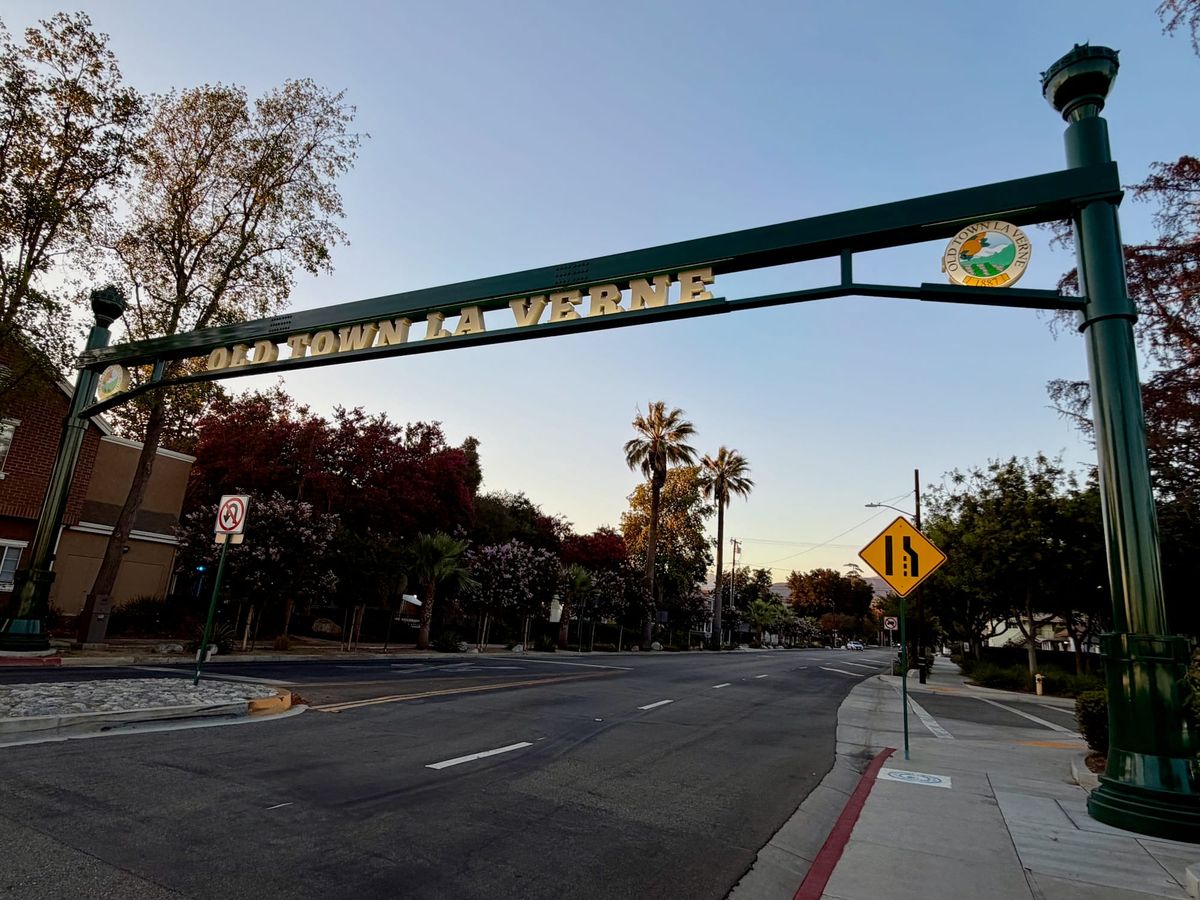
La Verne residents have another opportunity to apply for the public seat on a board that helps finance infrastructure improvements in and around Old Town.
The City Council voted 5-0 on July 20 to reopen applications for the Public Financing Authority–Enhanced Infrastructure Financing District Board for 60 days after receiving applications from two residents. The two applicants will remain under consideration. The seat opened after public member Wayne Hurley resigned April 14.
Applications must be submitted by 5:30 p.m. Thursday, Sept. 24.
The Council reopened recruitment because members said they wanted a broader applicant pool for a complex board that could become increasingly important as development within the district moves forward.
Mayor Tim Hepburn described the EIFD as being at a turning point. He said its ability to generate property tax increment has been limited by a lack of commercial development within its boundaries. The district could become more beneficial after the Arrow Highway pedestrian and bicycle bridge is completed and development advances at Fairplex, he said.
Hepburn said the public member should understand finance and construction, have a vision for the district and be able to work with the Fairplex, the University of La Verne and developers.
Frank Vram Zerunyan, a University of Southern California professor of the practice of governance, said EIFDs are relatively new and complicated financing mechanisms requiring knowledge beyond general business operations.
“If I were choosing a board member for this, I would be choosing someone who understands real estate, who understands real estate finance, who understands bonds and bond finance,” Zerunyan said.
He said public engagement and communication skills also should be considered.
Sean McMorris, transparency, ethics and accountability program manager for California Common Cause, said extending recruitment could encourage broader participation. Qualified applicants might feel disappointed by the decision, he said, while others might see it as a legitimate effort to attract more residents.
McMorris said cities should state their desired qualifications before accepting applications. He also noted that appointing people with varied backgrounds and perspectives can encourage diversity of thought and guard against groupthink.
California law allows participating agencies to select an EIFD’s public member but does not require the Council to choose from the initial applicant pool or set a deadline for filling the seat. The Maddy Act establishes public notice requirements and a minimum waiting period before an appointment but does not set a maximum period for filling a vacancy.
What is La Verne’s EIFD?
La Verne created the Enhanced Infrastructure Financing District, commonly called the EIFD, to help pay for public improvements supporting development around Old Town, the University of La Verne, Fairplex and the La Verne/Fairplex Metro A Line station.
The district uses growth in property tax revenue to help finance infrastructure improvements and support development envisioned in the City’s Infrastructure Financing Plan.
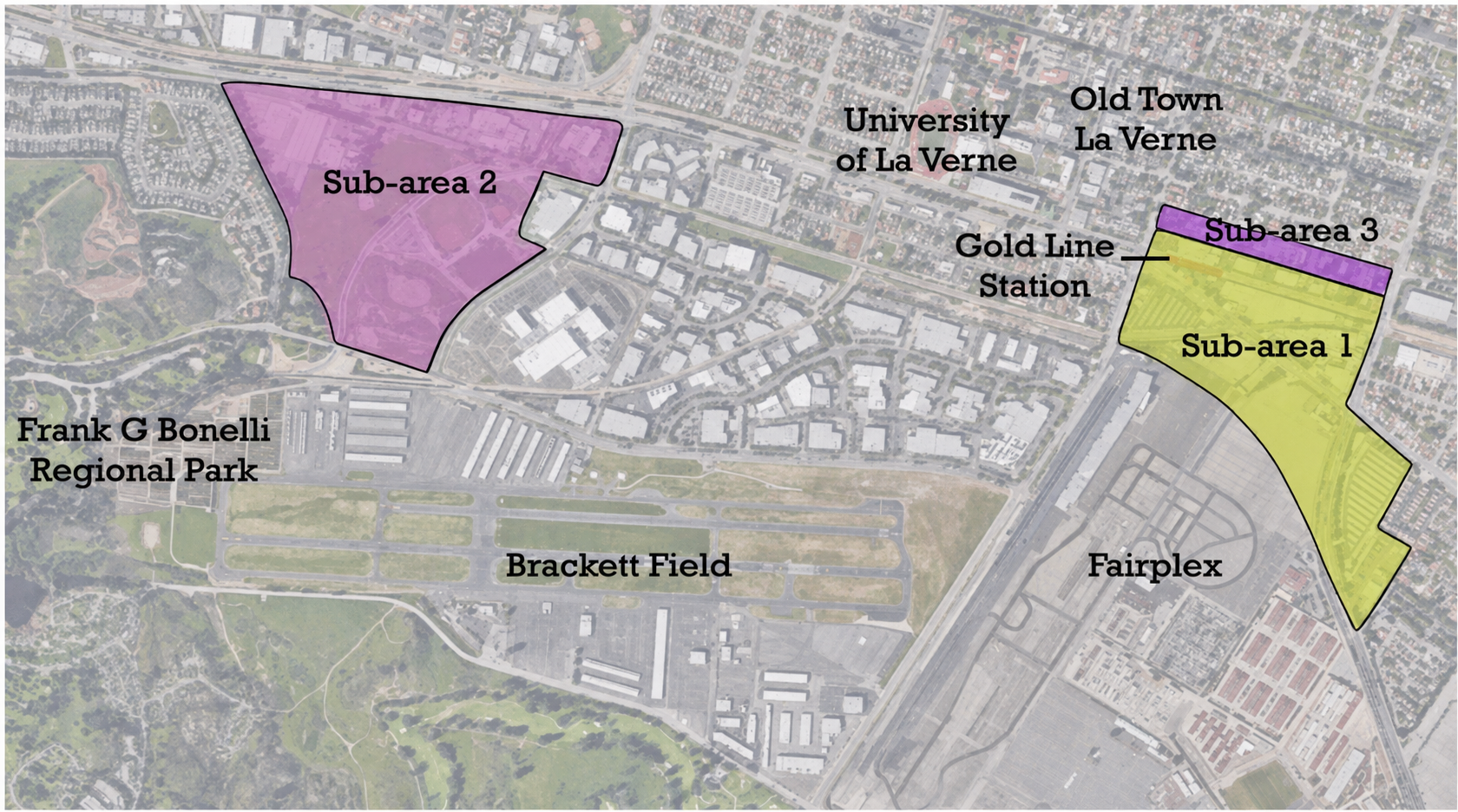
The district is a public entity separate from the City and covers approximately 111 acres. Its financing plan identifies potential improvements to streets, sidewalks, bikeways, pedestrian connections, water and sewer systems and other infrastructure.
Zerunyan said EIFDs are among the financing tools California cities began using after the state eliminated redevelopment agencies.
The Public Financing Authority serves as the district’s governing board.
Where Does its Money Come From?
The EIFD does not impose a new property tax.
Instead, it receives a portion of the growth in the City’s property tax revenue generated within the district. When assessed values rise because of construction, property sales or other changes, the City may direct its share of that additional revenue—known as property tax increment—to the EIFD.
The revenue may be combined with transportation funding, development fees, grants and other sources. Anticipated future revenue also may be used to repay bonds issued for infrastructure projects.
What Has the District Helped Finance?
The EIFD entered into an agreement to reimburse the City for improvements along E and Second streets. The City issued a bond in 2022 to finance the completed project and is making payments through its Proposition C transportation fund.
The EIFD is expected to begin reimbursing those costs after accumulating enough revenue.
Remaining bond proceeds are expected to help finance the proposed Arrow Highway Multimodal Pedestrian and Bicycle Bridge.
The district projected receiving approximately $97,700 in property tax increment revenue and ending that fiscal year with a fund balance of about $359,300.
Hepburn said the board’s work was slowed first by the COVID-19 pandemic and later by rising material and construction costs.
Who Serves on the Board?
The five-member board includes two La Verne City Council members, two Los Angeles County representatives and one member of the public.
The current members are Hepburn, Johnson, Los Angeles County public member Anthony Orlando and Andrea Moreno, a representative for county Supervisor Hilda Solis. The public seat is currently vacant.
Members serve without compensation. The public member has no term limit. Meetings generally are held quarterly and are open to the public.
How Can Residents Apply?
Applicants must be at least 18, have lived in La Verne for at least one year and have knowledge of finance, banking or business.
Applications are due by 5:30 p.m. Thursday, Sept. 24. Residents may apply online, email an application to cityclerk@laverneca.gov or submit it at La Verne City Hall, 3660 D St.
Additional information is available on the City’s website
Local Events Calendar