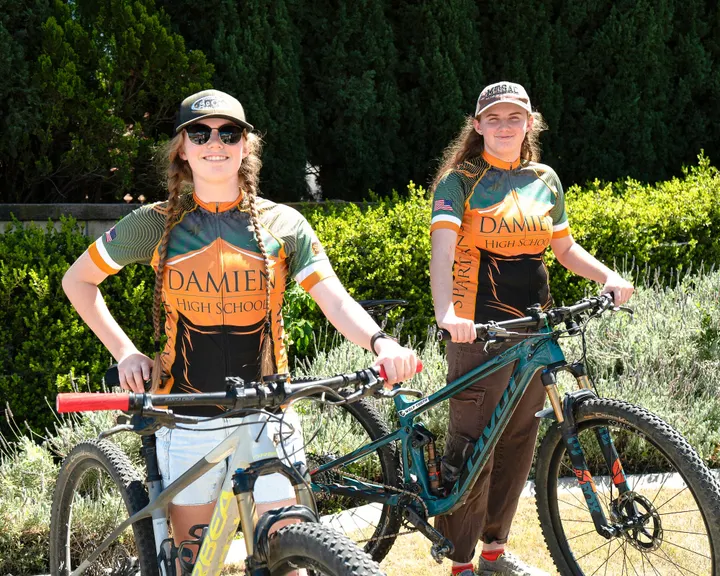
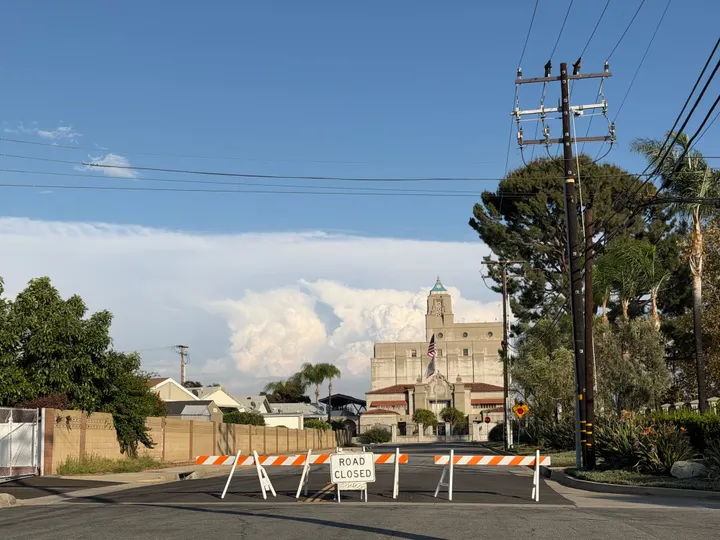
E-Bikes, Teen Brains and Tough Parenting Decisions
+ Events in and around La Verne June 11-21
Welcome to this week's newsletter—and a special welcome to everyone who joined us this week. I'm glad you're here.
I have spent a lot of time attending meetings this week, asking questions and trying to better understand the challenges and opportunities facing our community. I also checked in on some new business developments around town, one of my favorite things to do!
As always, thank you for reading, sharing tips and helping make this community newsroom possible.
Staci

Guest Column: Is Your Kid Really Ready for That E-Bike? A Therapist's Honest Take
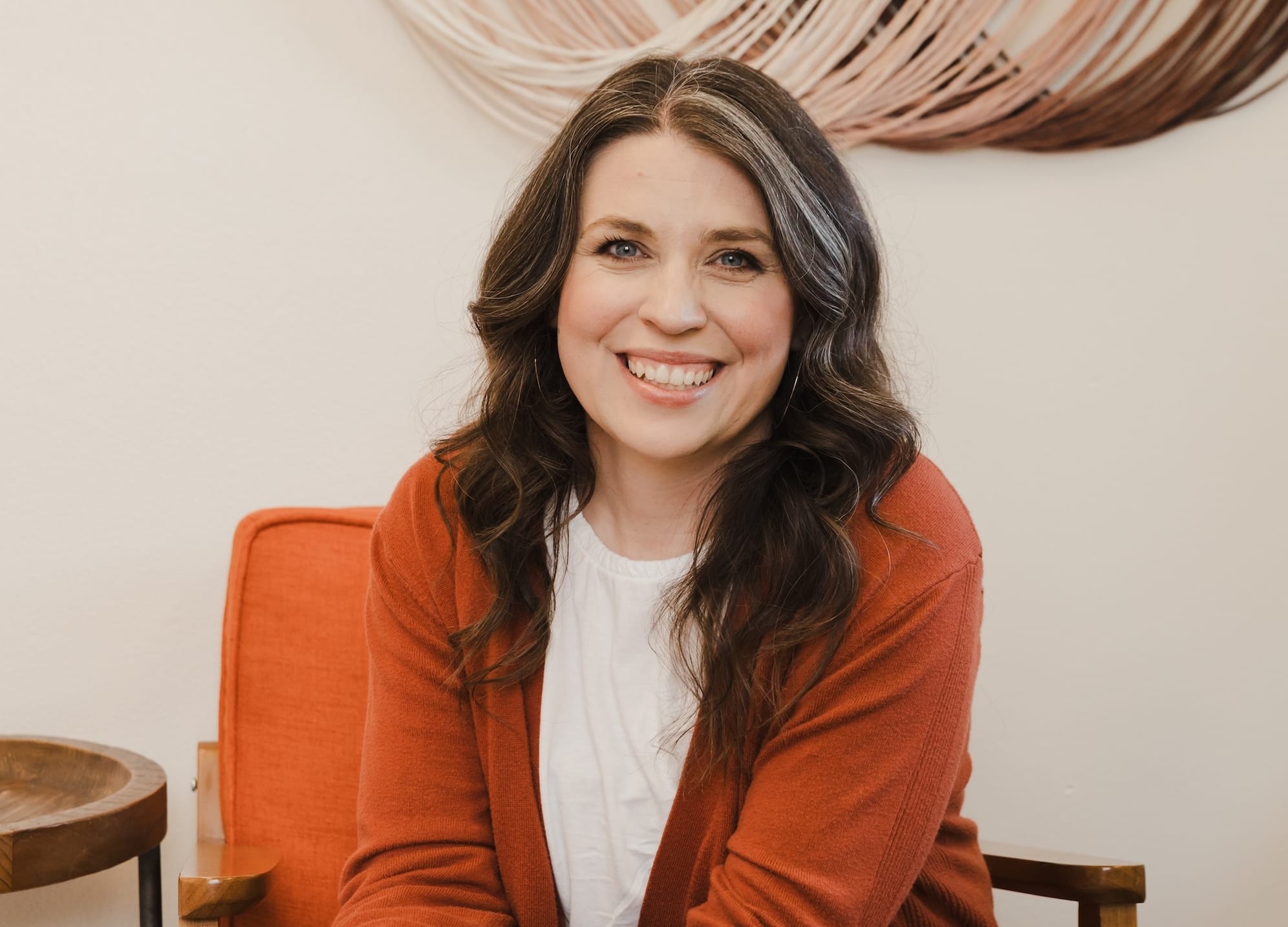 As a Licensed Marriage and Family Therapist, I specialize in parent-child dynamics with a strong grounding in child and adolescent development and Internal Family Systems. Much of my work is helping families build the bridge with teens who push back on exactly these kinds of decisions: holding space for a kid's growing independence while a parent stays calmly, lovingly in control. So this topic is close to home.
And let me start by saying: I get it.
Your kid has been begging for an e-bike since the snow melted. Maybe they've shown you real responsibility lately. They own up when they mess up, they make good choices when you're not standing over them. So you're sitting there feeling a strange mix of pride and panic, thinking, "How do I keep encouraging them to grow up... while also not totally convinced they're ready for this?"
And then there's the part nobody likes to admit out loud: half the neighborhood kids already have one. The pressure isn't just coming from your teenager. It's coming from the other parents, too.
So let's talk about it, no judgment.
What's actually happening inside that teenage brain
Here's the thing I wish every parent understood before handing over a set of keys to anything with a motor: your teenager's brain is not a smaller version of yours. It's a brain genuinely under construction.
The part of the brain responsible for reasoning, impulse control, and thinking through consequences is the prefrontal (frontal) cortex, and it's one of the last regions to fully mature. It keeps developing into the mid-twenties (American Academy of Child & Adolescent Psychiatry). Meanwhile, the emotional, reward-seeking part of the brain comes online much earlier. As the AACAP puts it, teens' actions are "guided more by the emotional and reactive amygdala and less by the thoughtful, logical frontal cortex."
Developmental neuroscientists call this the "maturational imbalance": a highly responsive reward system paired with a still-developing braking system (Steinberg, Developmental Review). It's not a character flaw. It's biology. It's the same reason teens are, in the AACAP's words, more likely to "act on impulse," "get into accidents of all kinds," and engage in risky behavior, and less likely to "pause to consider the consequences of their actions."
So when your gut whispers, "I'm not sure they fully grasp how dangerous this could be," your gut isn't being dramatic. Your gut is doing developmental science.
And then there are the friends
Now add peers to the mix, which is where e-bikes really get spicy.
Here's a finding that stops me in my tracks every time: teenagers take measurably more risks simply when other teens are present or watching, even when they're explicitly told the odds of something going wrong (Smith, Chein & Steinberg, Developmental Psychology). The presence of peers literally lights up the brain's reward centers and turns down the caution (Telzer et al., Journal of Neuroscience).
Your kid might be a careful rider in the driveway with you watching. Put them in a pack of friends racing down a hill, and you may be dealing with a different rider entirely. Not because they're "bad," but because the teenage brain is wired to prioritize fitting in over weighing long-term danger.
Here's the hopeful flip side, though: the same research shows a parent's presence pulls teens in the opposite direction, toward safer choices and more self-control (Telzer, Ichien & Qu, Social Cognitive and Affective Neuroscience). Your voice still counts. A lot.
This isn't really an e-bike question
I know the headlines are scary, and they're not wrong. Pediatric e-bike injuries have surged over 300% in recent years (AAOS 2026), and the head is the most commonly injured body part for middle- and high-school-aged riders (PubMed, 10-year study). One trauma surgeon put it bluntly: "We basically have kids riding vehicles that are much more like motorcycles than bicycles" (Rady Children's / CHOC).
But I'm not here to tell you "yes" or "no." Honestly? There's no universally right or wrong answer. Every kid is different.
What I am here to ask is a better question. Instead of "Is my kid responsible enough?", try:
"What is driving this? Is my child showing me genuine signs of ownership and accountability around safety, or are they mostly trying to keep up with their friends?"
Those are two very different situations, and they deserve two very different answers. Look for the real evidence:
- Do they take ownership when a mistake is made, without you having to drag it out of them?
- Do they make responsible choices when no one is asking?
- Can they talk through what they'd actually do if a car pulled out, or a friend dared them to go faster?
- Are they willing to wear the helmet every single time, not just when you're watching?
If the honest answer is "they want it because everyone has one," that's not a no forever. It's just a "not yet," and a signal to keep guiding.
Staying in the driver's seat (developmentally speaking)
Here's the permission slip a lot of parents are quietly waiting for: it is completely developmentally appropriate to stay heavily involved in your teenager's decisions, especially the ones with life-or-death stakes. Giving teens independence doesn't mean stepping back entirely. Adolescents still need a strong, steady adult presence to grow that braking system (Telzer et al.).
So if you do say yes, stay in it with them. Pediatric trauma experts recommend a few non-negotiables (Rady Children's / CHOC):
- A helmet, every ride, no exceptions. Properly fitted and buckled. It's one of the single most effective ways to prevent a serious head injury.
- Know the class of bike. Children under 12 generally shouldn't ride e-bikes at all, and riders must be at least 16 for a faster Class 3 e-bike.
- Take a safety course. Many communities now offer hands-on e-bike training for teens.
- Don't modify the bike to go faster. It's dangerous and can even make it illegal.
- Learn your local laws together, and revisit the conversation often.
And about that pressure from other parents? You're allowed to make a different call than the family down the street. "My kid isn't there yet" is a complete sentence. The goal was never to raise a teenager who fits in. It's to raise an adult who can think for themselves, and sometimes the most loving thing we do is hold the line a little longer while their brain catches up to their courage.
This push-and-pull is exactly the work I do with families: helping parents stay connected to a teen who's testing limits, hold space for that independence, and still keep a steady hand on the wheel. You know your kid. Trust what you're actually seeing, not what everyone else is doing.
Chelsea Clifton is a licensed marriage and family therapist (lmft) and the owner of Mind & Heart Therapy in San Dimas. She works with parents on the parent-child stuff nobody warns you about. You know, the eye rolls, the meltdowns, the "I said it nicely the first four times." Here's the thing: your kid usually isn't the problem, the pattern is. She helps you spot it, break it, and build a family that actually feels good to live in. No shame, no perfect parent act, just real talk that works. Find Chelsea at mindandhearttherapy.org