Is Arrow Highway Ready for Bike Lanes?
Residents, City Council express concerns about the design for a two-way bikeway along Arrow Highway
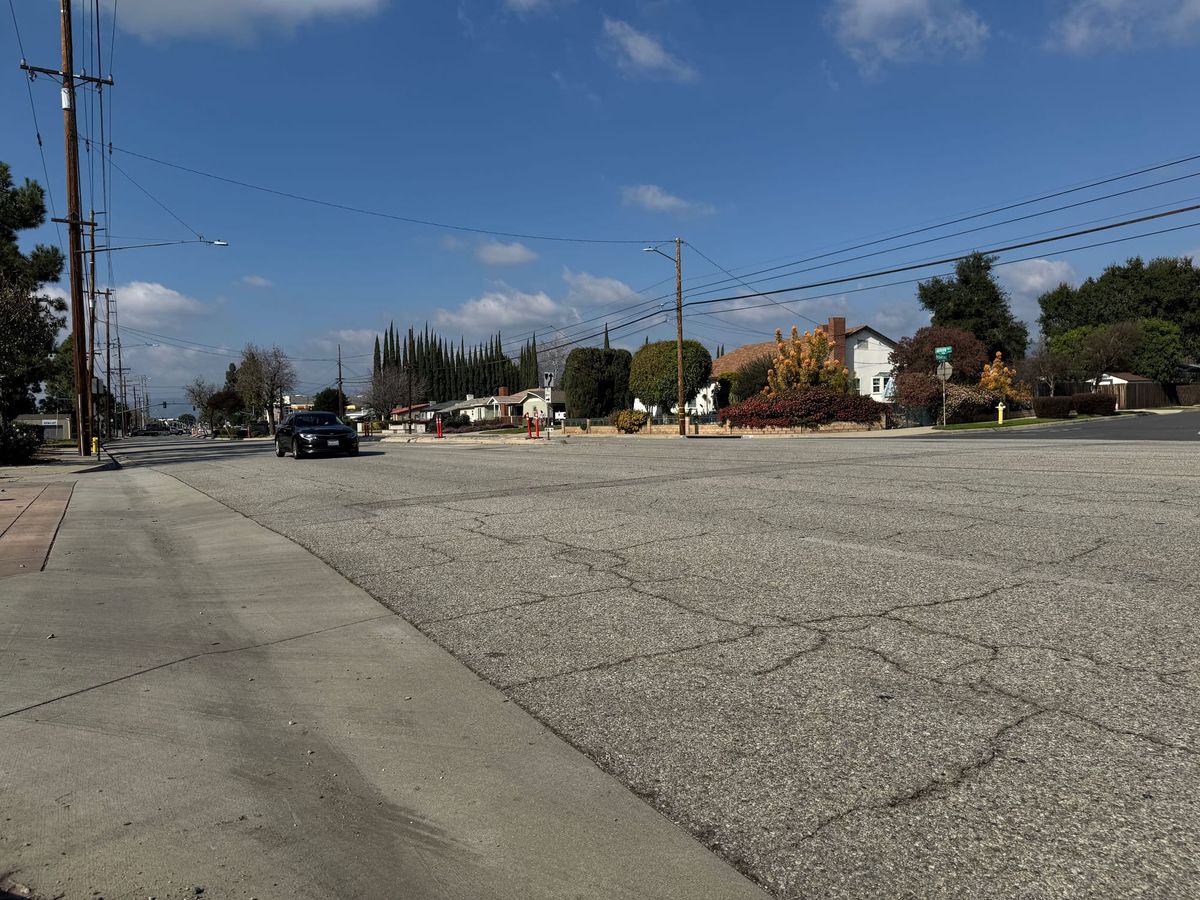
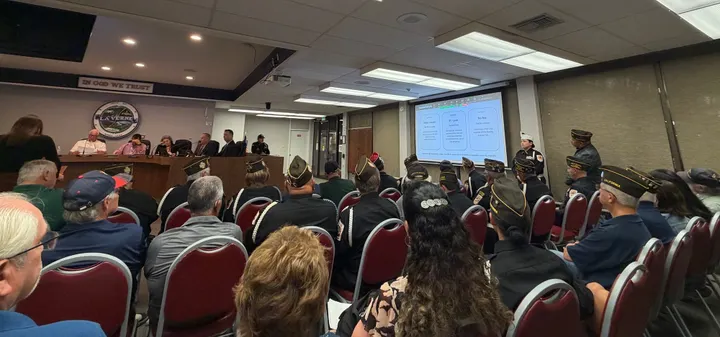
La Verne City Council signaled conditional support for a proposed Class IV bikeway on Arrow Highway on Monday, directing staff and regional planners to return with design refinements addressing traffic, safety, and access concerns before a final decision is made.
The project, presented at 60% design, would extend a protected two-way bikeway from Pomona into La Verne as part of a regionally funded effort to improve transit access and rehabilitate the roadway.
The discussion centered on a regionally significant two-way protected bikeway proposed by the San Gabriel Valley Council of Governments (SGVCOG) in partnership with the City of Pomona. The project is part of a broader “first and last mile” effort aimed at improving access to Metro’s A Line and strengthening east-west mobility across seven San Gabriel Valley cities, including La Verne.
SGVCOG Manager of Transportation Roy Choi, who presented the plan during the City Council meeting, said the Arrow Highway segment would be built as a two-way Class IV bikeway — also known as a protected cycle track — located on the south side of the roadway. The project would also include pedestrian and ADA upgrades, lighting, intersection safety improvements, and full pavement rehabilitation for the highway.
A continuous two-way Class IV bikeway is a protected, bidirectional lane on one side of the road, physically separated from high-speed, high-volume traffic by a physical barrier.
Council was asked to provide direction on two items: whether to allow the Class IV bikeway to extend beyond Pomona’s city limits into La Verne, terminating at White Avenue, and whether the City should contribute funding toward Arrow Highway pavement rehabilitation within La Verne as part of the regional project.
At the heart of the discussion is whether La Verne should extend the proposed 10-foot-wide bikeway roughly 850 feet west of Pomona’s boundary to White Avenue.
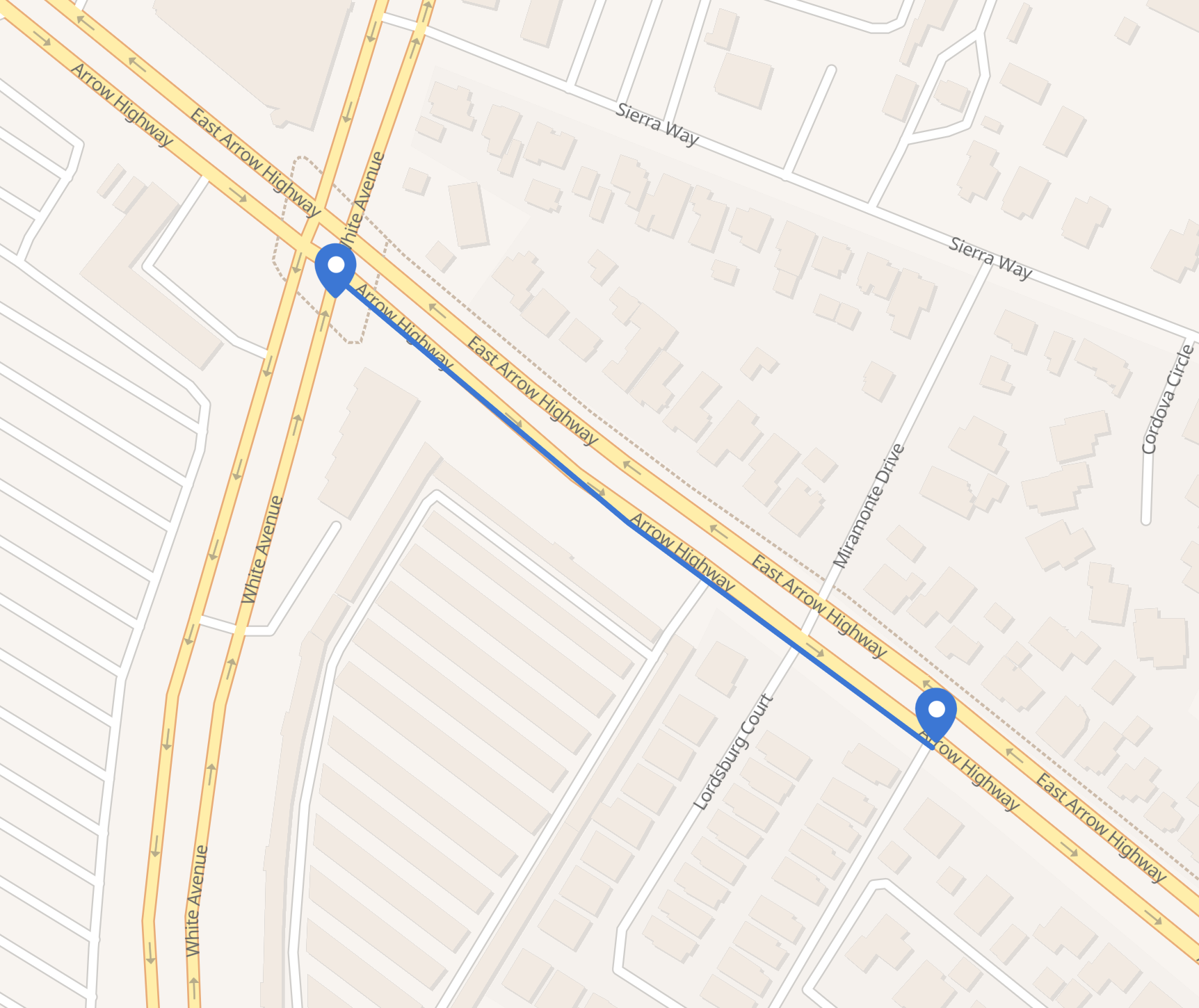
Choi said extending the bikeway would create a continuous connection between the La Verne Metro A Line station, Pomona transit hubs, and the Fairplex, which is slated to host cricket during the 2028 Summer Olympics.
The full project estimate presented to Pomona exceeds $16 million, Choi said. Most of the project would be funded through a combination of federal Carbon Reduction Program funds, Measure M subregional funds and Metro active transportation funding, which requires the project to be completed ahead of the 2028 Games. La Verne’s share, for rehabilitating Arrow Highway east of White Avenue to the City of Pomona border, is estimated at about $528,000, which covers coordination and pavement rehabilitation.
City Manager Ken Domer said La Verne already has funding set aside in a capital fund that could cover the City’s portion. He added that completing the project separately would cost the City at least $250,000 more.
Mayor Tim Hepburn framed the discussion as a balance between leveraging rare funding opportunities and addressing long-standing local concerns along a heavily traveled corridor.
“Bike lanes are extremely important,” Hepburn said, noting that regional and federal grants are often the only way cities can fund major street improvements. He described Arrow Highway as a “very big choke point” and stressed the importance of keeping La Verne’s contribution within the estimated range.
“Whatever you can do to bring it back to us, I think the $500-some-odd thousand dollars is great,” Hepburn said. “We can keep that cost right in there, please — not to go higher.”
During public comment, four residents spoke, citing concerns about traffic congestion on Arrow Highway and raising broader questions about safety, lane widths, cyclist transitions, and cost.
Council members echoed many of the residents' concerns. Council member Steven Johnson raised questions about emergency vehicle access during congestion. La Verne Fire Department Battalion Chief Robert Russell acknowledged at least one instance in which an ambulance was delayed due to traffic queuing and signal timing issues near Arrow Highway and White Avenue.
Council member Rick Crosby said he did not want to see vehicle lanes reduced on Arrow Highway and questioned how a double-wide bikeway could be added without narrowing lanes.
City Engineer Cody Howing explained that while the standard vehicle lane width is 12 feet, some local streets operate with narrower lanes. He cited Fruit Street north of Foothill Boulevard, where a travel lane narrows to 10 feet, which he described as the minimum acceptable width.
Howing said the project remains in the design phase and that staff is working through those details, including potentially reducing the median width to preserve existing travel lanes.
Choi acknowledged that trade-offs may be unavoidable. “Sometimes, there are necessary things that you have to give up for enhanced pedestrian and bicycle connectivity,” he said.
La Verne resident Claire Burchfield, who lives in the Copacabana Mobile Home Park near Fair Avenue and Arrow Highway, said in a phone interview that traffic congestion already makes it difficult to get in and out of her neighborhood.
“It’s just awful here, and if they put in a bike lane, I don’t know what that’s going to do,” she said.
Burchfield said traffic backs up in both directions at different times of day, with eastbound travel posing the biggest challenge because drivers must merge across lanes to make a U-turn. She said the light installed at Fulton Road has helped somewhat, but added, “Going east is a big problem.”
Burchfield said she would like engineers to address how residents of the three mobile home parks along Arrow Highway can safely and conveniently access the roadway.
While several residents and council members have raised concerns about congestion and safety, others have pointed to La Verne's existing bike infrastructure as an example of how roadway design can change driver behavior and improve safety.
Aaron McCain, a La Verne resident and regular cyclist, said in a phone interview that he frequently rides on Bonita Avenue, where bike lanes were added alongside reduced vehicle lanes. He said the street feels more comfortable to bike on, explaining that narrower vehicle lanes and dedicated bike space tend to slow traffic and make the roadway feel safer.
McCain said expanding the bike network could benefit residents who rely on bicycles for transportation, including those who cannot afford a car or are too young to drive. He added that La Verne’s family-oriented character means there are kids riding bikes.
“I think it’s important to provide a space for that to happen safely,” he said.
Council member Wendy Lau said the council’s direction was clear.
“We want the pavement, and we want to have cost savings,” Lau said. “But we also want to make sure that the traffic and the safety are of paramount concern when the design is happening.”
Pomona has already approved the project within its city limits, while La Verne’s portion remains subject to City Council approval.
Council did not take a formal vote on Monday. They generally support extending the bikeway to White Avenue and improving La Verne’s portion of Arrow Highway, but asked staff to return with additional design options addressing access in/out of the Lordsburg Court development, traffic backups near the Pomona border, and potential impacts to the median.
Domer said staff will bring a “90% or so”design back to Council to review. If Council approves the design, it will be added to the 2026-27 budget process through a Capital Improvement Project.
“Ultimately, the Council will have to give it the final blessing for La Verne portions,” he wrote in an email to La Verne Daily News.
Additional information
See page 119 of the La Verne City Council Agenda for project details
What happens next
➡️ Revised designs return to council: The San Gabriel Valley Council of Governments and its partners are expected to return to La Verne City Council with final design options that address traffic flow, safety, emergency access and how the bikeway would end or transition at White Avenue.
➡️ Council review required: No construction can occur within La Verne without City Council approval of the final design and funding commitments.
➡️ Potential construction timeline: If approved, construction on the regional project could begin as early as 2027, with the La Verne segment potentially completed later that year.
➡️ No vote yet: Monday’s item was a discussion only. City Council did not take formal action but provided direction for further study and design.
In this story, we worked hard to share diverse perspectives and highlight them fairly. How did we do? Email NEWSTIPS@lavernedaily.org or text us at (909) 450-4227
 La Verne Daily News
See an error? Please email staci@lavernedaily.org.
Local Events Calendar