La Verne Earns State Wildfire Recognition
The state designation recognizes years of wildfire planning and prevention. It could bring new grant opportunities and lower homeowners' insurance costs.
For La Verne, earning recognition as one of California's newest Fire Risk Reduction Communities isn't just another government designation.
City officials say it reflects years of planning, stricter fire safety standards and ongoing efforts to help residents better prepare for the next wildfire.
"We're ahead of the curve," Mayor Tim Hepburn said. "We've seen the devastation. We don't want to be one of those cities that has not prepared for that."
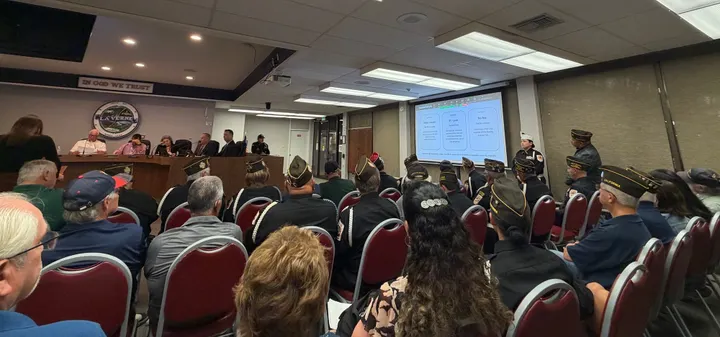
At its June 17 meeting, the California Board of Forestry and Fire Protection added La Verne to California's 2026 Fire Risk Reduction Community List, recognizing communities that exceed the state's minimum wildfire preparedness standards.
Fire Chief Brandon Coatney credited the Fire Department's prevention and preparedness efforts.
"This recognition belongs to the members of the La Verne Fire Department, whose daily work in fire prevention, inspections, emergency preparedness and community education made this achievement possible," Coatney said.
La Verne Fire Prevention/Community Risk Reduction staff say residents living within the City's designated Fire Hazard Severity Zones stand to benefit most directly because those neighborhoods face the greatest wildfire risk. Enhanced planning, development standards, fuel management requirements, and emergency access improvements are specifically intended to reduce wildfire risk in those areas.
Why Did La Verne Earn the Designation?
The Fire Risk Reduction Community designation recognizes communities that have implemented wildfire mitigation measures beyond California's minimum requirements.
According to Fire Prevention/Community Risk Reduction staff, La Verne qualified by implementing several wildfire mitigation measures over many years, including:
- Adopting a local ordinance designating Very High Fire Hazard Severity Zones.
- Updating the City's General Plan Safety Element to incorporate recommendations from the California Board of Forestry and Fire Protection.
- Implementing fire safety improvements in high-risk neighborhoods.
- Adopting fire access standards that exceed the California Fire Code.
- Establishing enhanced fuel modification requirements.
- Adopting Wildland-Urban Interface building standards that are more restrictive than state minimum requirements.
The City spent about two years preparing its application, building on years of wildfire mitigation efforts. Staff said the work will continue through ongoing fire prevention, defensible space and community resilience initiatives.
What Does This Mean for Residents?
The designation positions La Verne to pursue additional state and federal grants for wildfire mitigation projects, including vegetation management, emergency access improvements, public education and defensible space initiatives.
Hepburn said the City's investment in wildfire preparedness is worth the cost.
"At the end of the day, what's the cost compared to complete devastation and the loss of buildings, structures and families? You can't put a price tag on that," Hepburn said.
For many La Verne homeowners, the biggest benefit of the new wildfire designation may not be the recognition itself—it could be the possibility of lowering homeowners' insurance costs. (More on this in an upcoming story.)
But Hepburn said the recognition is ultimately about protecting people and property.
"It's going to help us with our insurance rates, but the most important thing is protecting our residents against the loss of structures and life," he said.

What Can Homeowners Do Now?
City officials say preparing for wildfires doesn't have to be expensive.
La Verne Fire Department Community Risk Reduction Specialist Lonnie Shipman recommends homeowners with limited budgets focus on three projects that can be completed over a weekend.
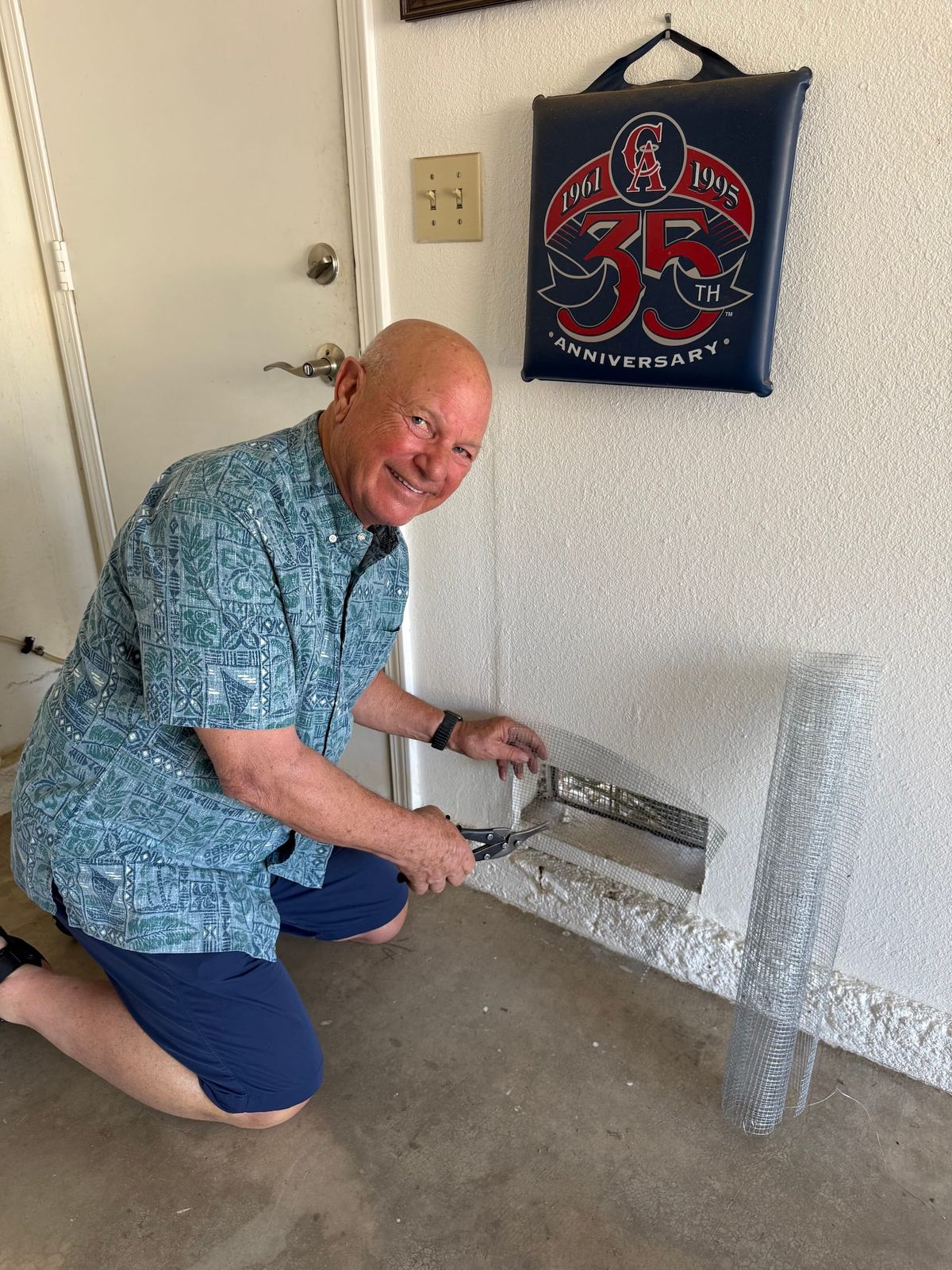
"These are really easy and low-cost ideas to prepare your home but also prepare in case a homeowner is ordered to evacuate," Shipman said. "The venting screen might be the more costly item of the things I've mentioned, but it is extremely critical in keeping embers out of the attic, which is a major contributing factor to the devastation seen in destructive wildfires."
Hepburn emphasized that wildfire preparedness requires year-round attention.
"It is an immediate threat, and it's a constant threat. It could happen to any of us at any time. You need to prepare," Hepburn said.
If you only have a weekend and a limited budget, La Verne Fire Department Community Risk Reduction Specialist Lonnie Shipman recommends starting here:
1. Clear Zone 0
Remove combustible plants, shrubs, grasses, firewood, propane tanks, and other flammable materials within the first 5 feet of your home. Replace them with noncombustible rock or gravel instead of wood chips.
2. Check Your Attic Vents
Make sure vent openings are protected with screens no larger than one-eighth inch. A quick test: If a golf tee fits easily through the screen, the openings are too large and should be replaced to help keep embers out.
3. Pack a Go-Bag
Prepare an emergency bag with bottled water, nonperishable food, a can opener, flashlight and batteries, first-aid kit, copies of important documents, medications, phone chargers, cash, important phone numbers, and supplies for pets
Download a Checklist
Learn more about wildfire preparedness by contacting the La Verne Fire Department at (909) 596-5991.
Local Events Calendar