It's Official! La Verne Adopts New Rules for E-Bikes
The new ordinance adds age restrictions, lighting requirements and a misdemeanor penalty for violations.
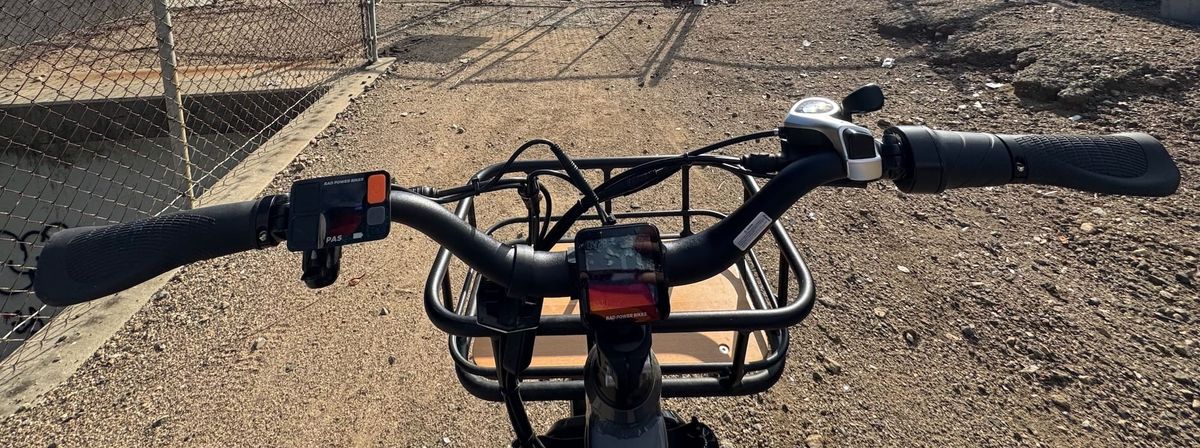
La Verne's City Council adopted an ordinance Monday establishing the City's first rules specifically governing electric bicycles, scooters and other motorized mobility devices—a regulatory framework that goes significantly further than the decades-old bicycle code it sits alongside in the municipal code.
The council approved Chapter 10.80 on a 3-1 vote, with council member Steve Johnson dissenting. Mayor Tim Hepburn was absent.
The ordinance, which City Manager Ken Domer confirmed takes effect July 2, 2026, regulates a range of electrically powered devices, including e-bikes, electric scooters, motorized skateboards and electric motorcycles. Traditional bicycles remain subject to Chapter 10.56, a city code dating to the 1970s that does not include age restrictions, lighting requirements or misdemeanor penalties.
What's new
The old bicycle code requires little more than a city-issued license, valid for three years and subject to a fee set by City Council, along with basic safety equipment such as functioning brakes and proper handlebars. The code does not address helmets, nighttime riding, cellphone use or where cyclists may ride. La Verne police Capt. Travis Tibbetts said the City's bicycle licensing program has been inactive for years and is not currently enforced.
The new ordinance establishes rules for helmets, lighting, device operation, rider conduct, and where electric mobility devices may be used.
All riders under 18 must wear a helmet.
The helmet requirement isn't a new La Verne rule so much as a restatement of what state law already requires. Class 3 e-bikes have an additional helmet reference in the ordinance tied to California Vehicle Code section 21213, which covers that specific class.
After dark, no one under 16 may operate an e-bike, and e-bikes ridden at night must have a front white light visible from 300 feet, as well as a rear red light visible from 500 feet. All bicycles (human and electric-powered) must have a functioning rear solid or flashing red light with a built-in reflector visible from 500 feet, according to California Vehicle Code section 21201. Using a handheld phone while riding is prohibited if it compromises safe operation.
Class 1 and Class 2 riders—whose motors cap out at 20 mph—may use sidewalks when no bike lane is available, provided they yield to pedestrians and maintain a cautious speed. Class 3 riders, whose motors assist up to 28 mph, are banned from sidewalks and public off-road trails entirely.
E-bikes of any class are prohibited in city parks unless posted signage or a designated pathway expressly permits it. Wheelies and other acrobatic stunts are also banned on roadways and sidewalks.
Electric motorcycles face the strictest requirements: operators must hold a valid motorcycle license, carry proof of registration and insurance, and wear a DOT-approved helmet. This is a California state law.
Modifying an e-bike to go faster than its rated class allows carries its own risks beyond a city violation. The La Verne ordinance independently prohibits tampering with an e-bike's speed capability unless the owner updates the bike's classification label accordingly. According to an April 2026 California Attorney General press release, such modifications may legally reclassify the device as a motorcycle or moped under state law—and riders without the appropriate DMV licenses could face criminal charges. "If it’s too fast, it’s not an e-bike—you might be riding illegally," the attorney general warns.
Enforcement and penalties
Here the new ordinance departs most sharply from the old bicycle code, which set penalties by council resolution and directed revenue into a bicycle safety fund.
Under Chapter 10.80, a violation is a misdemeanor. Violators may also be issued an administrative citation under a separate section of the municipal code. As an alternative to fines, a judge may require someone to complete a city-approved e-bike safety course at the offender's expense, with proof of completion due to the Police Department within 90 days.
Parents and legal guardians are on the hook, too—the ordinance holds them jointly and severally liable for violations by minors in their custody.
Retailers also have a new obligation. Any store selling or renting e-bikes must provide a copy of the ordinance to every buyer or renter and keep proof of that disclosure for at least three years, available to the police department upon request.
Learn More
 Staci Baird
City of La Verne information about e-bikes
 Government Websites by CivicPlus®
Stories like this take hours of meetings, document review and community reporting. La Verne Daily News is funded primarily by readers—not hedge funds or corporate owners.
If this reporting helps you stay informed, consider becoming a paying subscriber.