What Measure ER Could Mean for La Verne Shoppers, Health Care and Local Taxes
La Verne officials question accountability and local benefit, while County leaders say Measure ER would help stabilize health services.
Updated 1:11 p.m. May 16, 2026, to include additional information regarding Measure LV revenues and taxable values confirmed by City of La Verne Director of Finance Christy Lopez.
La Verne’s combined sales tax rate could increase from 10.5% to 11% if Los Angeles County voters approve the Essential Services Restoration Act, otherwise known as Measure ER, on June 2. Supporters say the measure would help stabilize the county’s health care system, while La Verne officials question whether residents would see enough local benefit.
The measure would add a half-cent countywide sales tax for five years, with the higher rate taking effect in October 2026 and sunsetting in 2031.
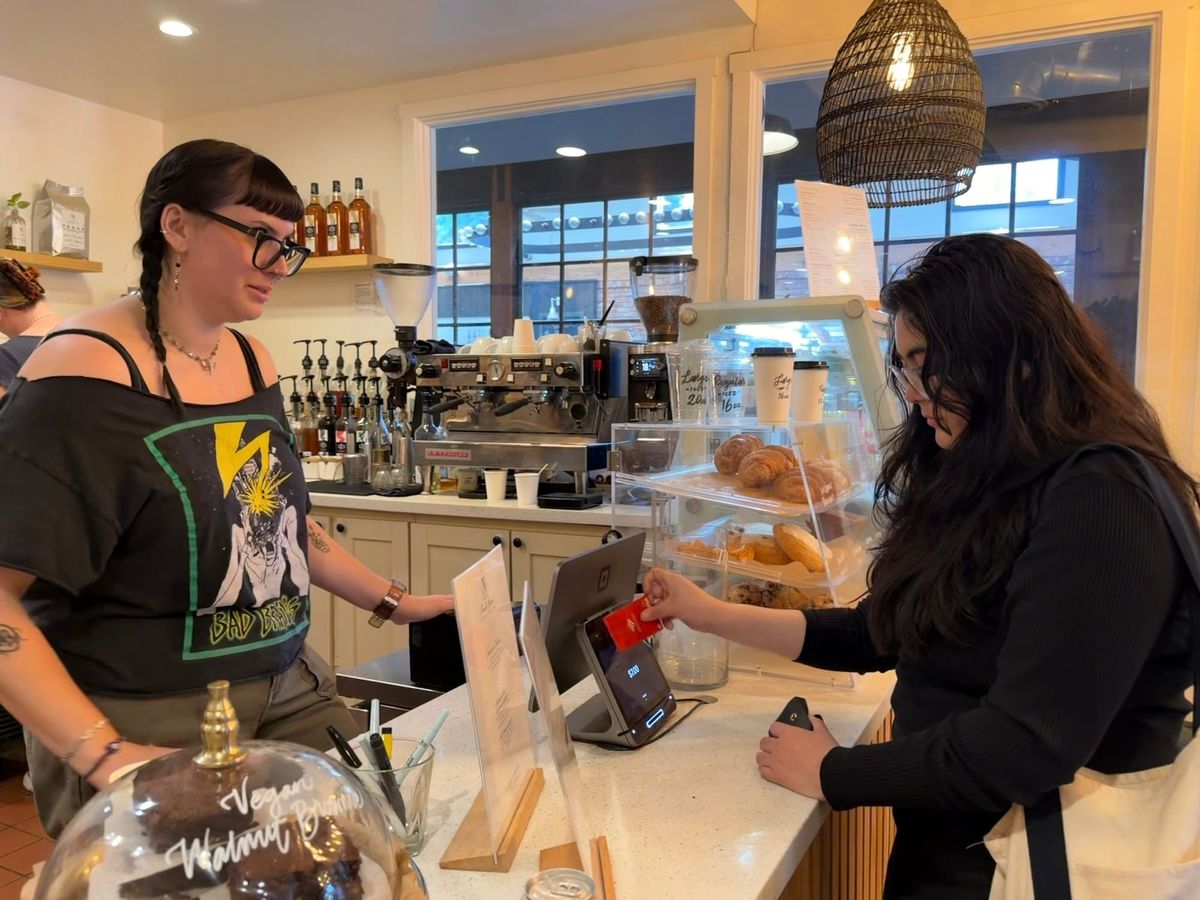
For shoppers, the increase would amount to an additional 50 cents for every $100 spent on taxable goods.
How do other Cities stack up?
Countywide, Measure ER would bring the typical sales tax rate to 10.25% and is estimated to generate about $1 billion a year, or roughly $5 billion over five years. The measure is intended to help fund public hospitals, clinics and public health programs, though it does not legally require the money to be spent on those services. Groceries and prescription medications would remain exempt.
As the debate over Measure ER continues, uncertainty remains about voter appetite for new taxes amid a crowded slate of tax measures this year in California.
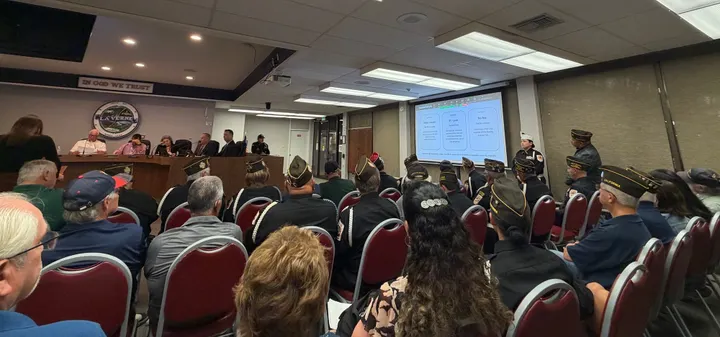
The La Verne City Council adopted a resolution opposing the measure at its March 2 meeting. Mayor Tim Hepburn said the proposal could strain residents and small businesses while offering limited transparency. He pointed to a longstanding concern that previous countywide sales taxes have not produced a fair return for La Verne. "There is no guarantee that the revenues generated in La Verne would come back to benefit our residents," Hepburn said.
Additionally, because Measure ER is a general tax, the revenue would flow into the County's general fund, so it could be used for purposes beyond health services. City officials also cautioned that new county taxes could make it harder for the Bonita Unified School District to pass its own funding measure.
According to an analysis of the City's 2022–23 budget, Measure ER could pull an additional $3 million a year—or $14 million to $17 million over the five-year life of the tax—from sales transactions in La Verne. (La Verne's proposed 0.75% Measure LV tax generated about $4.6 million that fiscal year, implying a citywide taxable sales base of roughly $613 million; applying Measure ER's 0.5% rate to that base yields the estimate.)
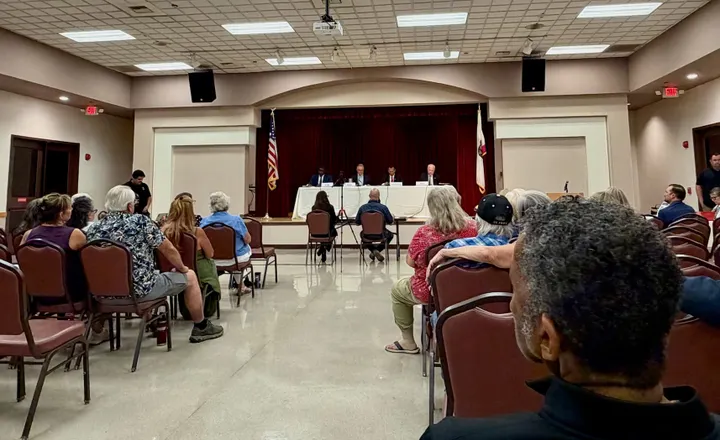
The Los Angeles County Board of Supervisors voted 5-1 in February to place the measure on the ballot. Fifth District Supervisor Kathryn Barger cast the lone dissenting vote, calling reliance on local taxpayers to offset federal cuts "not acceptable" and saying any tax proposal should include "clear purpose, enforceable accountability, and real transparency—not a general tax which can be used for other County needs." Supervisor Holly Mitchell, who voted yes, warned that safety net services could be "unraveling for millions of residents" without action.
The vote comes as California's health care safety net faces what a May 2026 report from the Legislative Analyst's Office—the state Legislature's nonpartisan fiscal and policy advisor—described as a "shifting landscape." The report projects the number of uninsured Californians could double to 4 million by 2030, with H.R. 1, the federal budget law enacted in July 2025, accounting for nearly 90% of the loss. The report also found clinics are likely to feel the impact more acutely than hospitals because they rely more heavily on Medi-Cal revenue.
About one-third of Los Angeles County residents are enrolled in Medi-Cal, including roughly 10.1% of La Verne residents, according to the Community Clinic Association of Los Angeles County, which supports the measure. The association said recent federal policy changes could cut an estimated $2.4 billion from the County over the next three years, with as many as 1.1 million county residents losing coverage by 2028.
The association said federal policy changes could strain clinics and hospitals and increase demand for emergency care. "When these residents can't afford their coverage, the costs go back to the County, and ultimately, we are all responsible for paying that difference," the association said.
County officials maintain that most revenue would fund safety-net health services, including county hospitals, clinics and public health programs. The measure also calls for annual audits and advisory oversight, though the advisory committee would not control spending.
The accountability concerns raised by opponents align with a recommendation in the Legislative Analyst's Office report, which urged state lawmakers to strengthen oversight of hospitals, clinics and county health programs by more systematically tracking caseloads and fiscal conditions, and to focus any new assistance narrowly on entities facing the greatest near-term financial risk.
The Legislative Analyst's Office report also noted that California's health care strain is not solely a federal issue. The Legislature enacted budget solutions in June 2025 that reduced Medi-Cal spending to address the state's structural deficit, with the federal changes in H.R.1 layered on top.
Measure ER also highlights a broader tension: sales taxes are regressive, taking a larger share of income from lower-earning households. Yet those same households are also the most exposed to Medi-Cal coverage losses under H.R. 1 and stand to receive most of the services the tax would fund.
More information
March 2026 Los Angeles County Fact Sheet
Ballotpedia Measure ER overview
Stories like this take hours of meetings, document review and community reporting. La Verne Daily News is funded primarily by readers—not hedge funds or corporate owners.
If this reporting helps you stay informed, consider becoming a paying subscriber.
Local Events Calendar