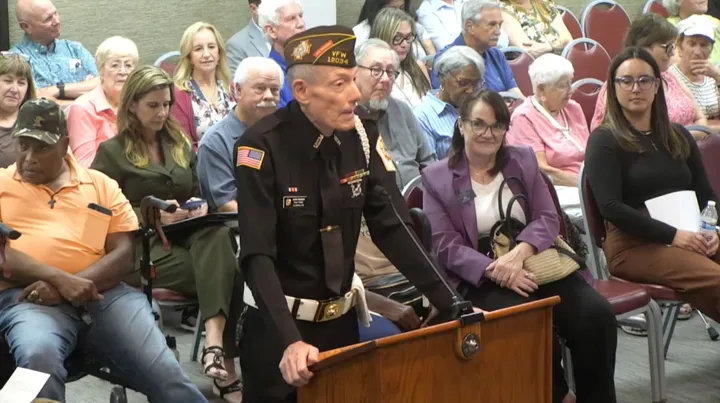
New E-Bike Rules Could Be Coming to La Verne
City Council directs staff to develop an ordinance for a first reading in early 2026.
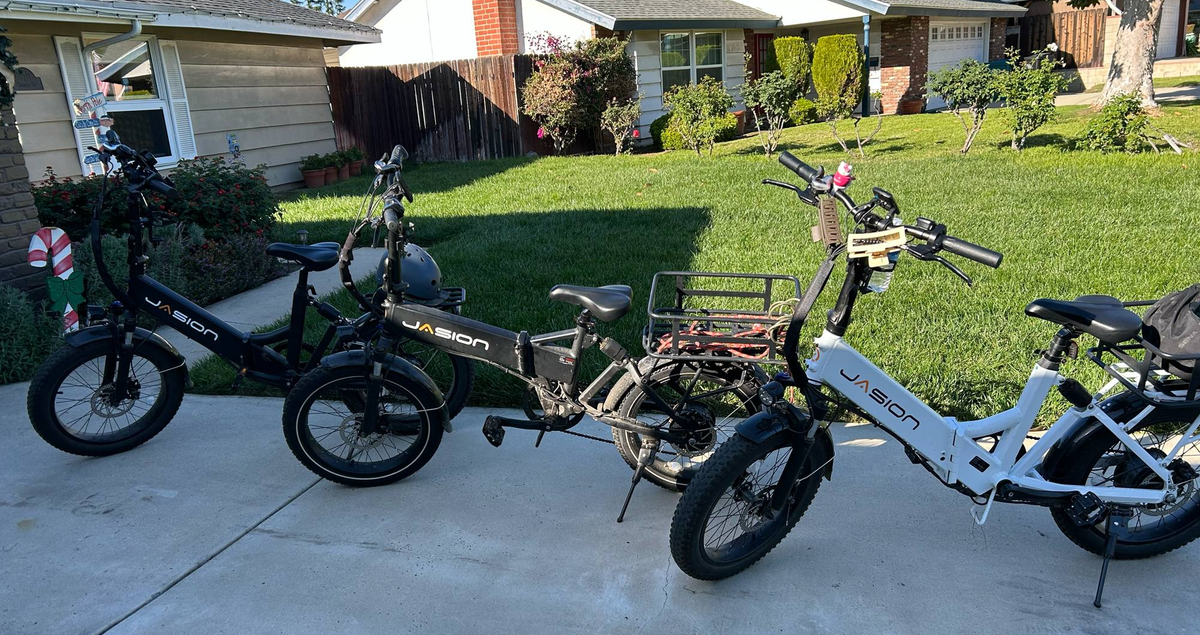

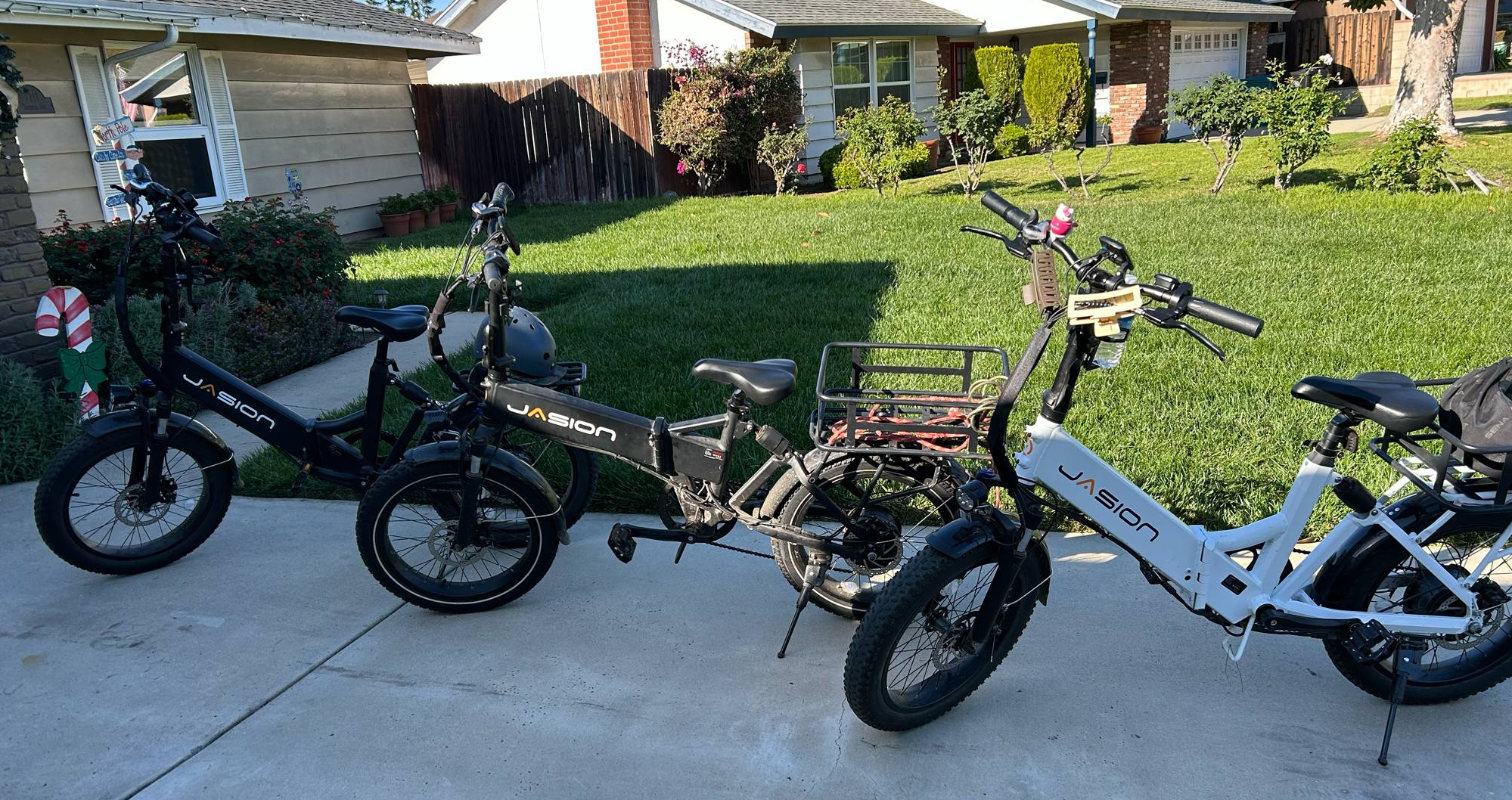
La Verne City Council voted Monday to have City staff draft a local e-bike ordinance for review in early 2026. The move doesn’t create new rules yet, but it starts the process of deciding whether the City should set clearer guidelines for how electric bicycles and other powered mobility devices can be used.
Police Chief Sam Gonzalez said the department has seen more e-bikes around town and launched a safety campaign over the summer, including flyers and a video posted to Facebook that has drawn more than 10,000 views. Officers have documented 34 bicycle-related collisions since 2023, 10 of them involving e-bikes.
Sgt. Carlos Flores said state law defines basic e-bike classifications but leaves several everyday questions to local jurisdictions — such as sidewalk use, trail access, nighttime visibility requirements, and how to address modified high-powered devices. Flores outlined five policy areas staff believe a La Verne ordinance should address. Read more about the proposed policies in our Q&A What’s Behind La Verne’s Discussion on E-Bike Regulations. Several Southern California cities, including Carlsbad, Huntington Beach and Laguna Beach, have already adopted similar ordinances.
Residents who spoke during public comment largely backed tighter regulations, describing close calls and concerns about unsafe riding. Several said they fear a serious crash is imminent and expressed concern about children, seniors and themselves getting hurt.
But not all speakers supported sweeping restrictions. La Verne resident Chantal Stieber urged the City to consider how certain rules might unintentionally affect everyday riders. She said that “even something that sounds reasonable, like sidewalk bans, has the potential to present problems,” especially near the schools where bike routes cross pedestrian areas, as well as for families who rely on bikes for transportation. Stieber also noted that high-powered electric motorcycles often cited in complaints are already illegal under state law.
“I don’t think that the safety of our citizens, whether they’re on the e-bikes or walking, should be jeopardized because we decided not to do something,” Council member Wendy Lau said, voicing support for moving ahead with a draft ordinance.
Council asked City staff to re-share the educational materials they distributed over the summer and submit an ordinance for a first reading in early 2026. Residents will have another opportunity to weigh in at that time. You can also share your feedback and suggestions via email to cityclerk@laverneca.gov.
Resources and more information
🔗 City Council Agenda Report: Direction for Developing a Local Electric Bicycle Ordinance (PDF, see page 48)
🔗 California Bicycle Laws
🔗 Senate Bill 1271 (Jan. 1, 2025)
🔗 California AB 965 (July 28, 2025)
🔗 California AB 544 (July 14, 2025)
Have thoughts on e-bikes in La Verne? 🚲⚡
La Verne Daily News wants to hear from riders, parents, pedestrians, business owners and anyone who shares our streets and trails. If you’d like to talk about e-bikes, potential regulations, bike safety or bicycling in and around La Verne, reply to this email or contact Staci at staci@lavernedaily.org with “E-Bikes” in the subject line.
Your experiences and ideas can help shape our continued coverage and community conversations on this topic.
La Verne Updates Development Impact Fees: What Residents Should Know
For the first time in more than a decade, La Verne has updated its development impact fees to better meet the cost burden for public services. City officials say outdated costs left “money on the table” while the city continued to grow and infrastructure needs increased.
At its Nov. 17 meeting, the City Council approved updated development impact fees — a cost borne by developers to help the city pay for growth. The changes, presented by consultant Richard Ruiz of Finance DTA were recommended based on a nexus study conducted by DTA. A nexus study shows the connection between new development in a municipality and the subsequent need for additional services or city infrastructure.
The new fees will take effect 60 days after adoption and include annual adjustments tied to the California construction costs index.
“We’ve done a lot of nexus studies for cities who haven’t done them in 25 years,” Ruiz said. “And they can’t defend them because nobody knows where [the new costs] came from.”
Mayor Tim Hepburn emphasized that even modest growth requires the city to invest in its infrastructure. With projections of more than 4,000 new residents, he said it is important to update fees now to avoid future shortfalls. “The cost of our buildings, the cost of our administration, our City Hall and our fire departments” will rise, he said. “I don’t want to always catch up with this.”
According to the study, La Verne’s development impact fees were among the lowest in the region; the new fee schedule brings it closer to the regional median.
“I believe even with others raising their fees within the next few years, we will remain in the median area due to our localized conditions which are the basis for setting fees,” City Manger Ken Domer shared via text.
Why the City Updated Its Fees
The study found that development fees were calculated using outdated demographics and facilities costs from more than 10 years ago. Ruiz described the update as “a tough thing to do,” noting that the city must “balance the need to generate revenue without discouraging development.”
The update identifies the city’s “fair share” of future infrastructure needs through about 2040, including an estimated 1,923 additional residential units. Because La Verne is already largely built out, the study focuses on infill and replacement development rather than large-scale expansion.
Help us shape La Verne Daily News into something you will love to read.
Take our short survey ➡️ Here
What Development Impact Fees Pay For
Development impact fees fund capital improvements needed to support growth—such as new fire stations, park facilities, storm drain upgrades and undergrounding utilities.
Ruiz explained that the fees “are charges on new development that fund capital improvements in public services — like roads, schools and parks — that are made necessary by growth.”
David Garcia, deputy director of policy at the Terner Center for Housing Innovation at the University of California, Berkeley, noted that these funds do not support day-to-day operations. “It doesn’t really help the general fund per se,” he said. “It helps to shore up, a lot of times, the capital improvement plan.”
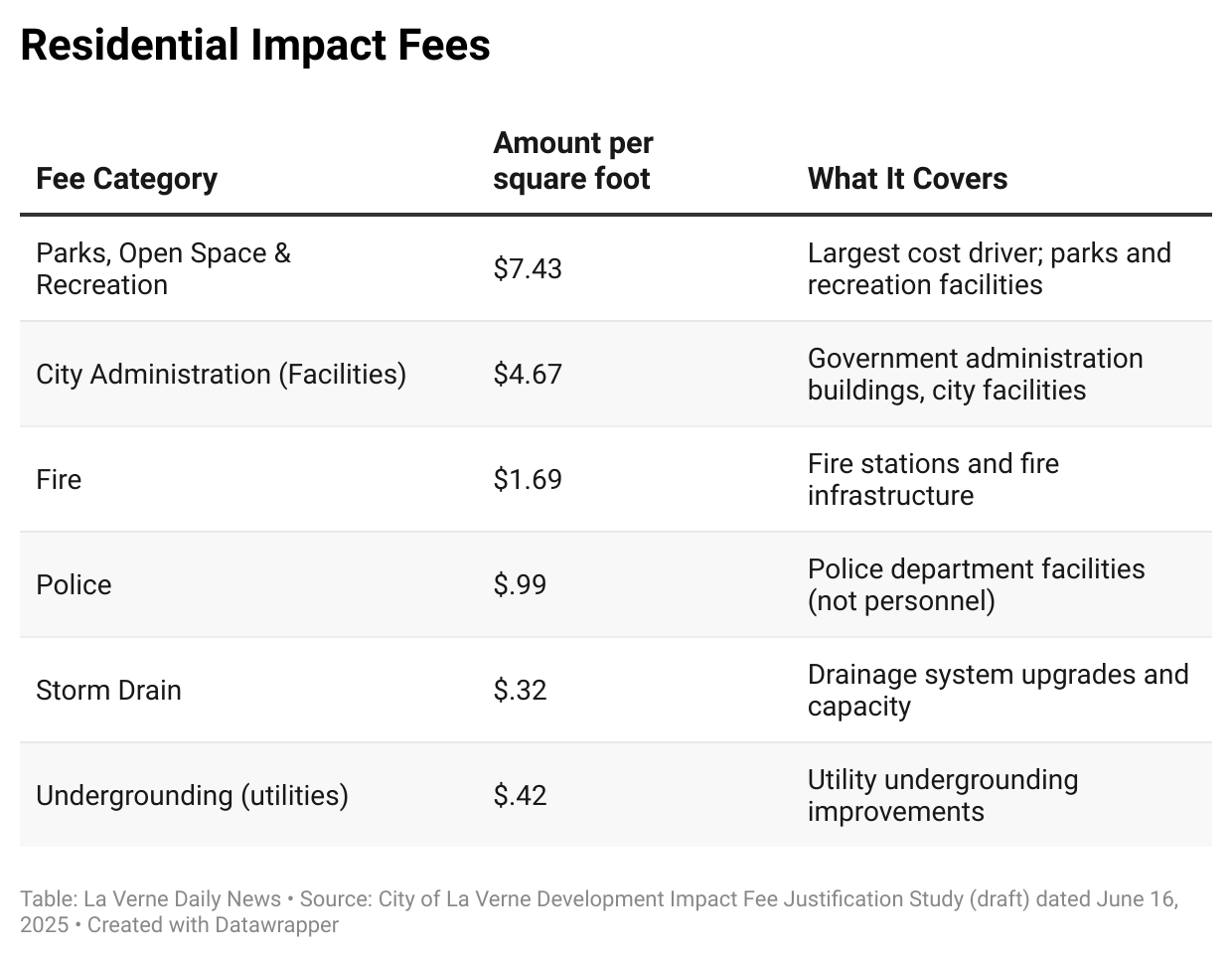
Updated fees are calculated per square foot for residential construction and per 1,000 square feet for nonresidential, consistent with state laws AB 1600 and AB 602. The largest single component for residential development is the parks fee, at $7.43 per square foot.
Two new fees were added: a city administration (facilities) fee and a police fee.
How ADUs and Home Additions Are Treated
Residents adding Accessory Dwelling Units (ADUs) have different rules from developers building new homes. California law (SB 13, passed in 2019) prohibits development impact fees on ADUs under 750 square feet.
Garcia noted that “someone who is building a cottage in their backyard is very different than a developer who’s building a 100-unit building.” Cities may also choose to impose lower ADU-related fees or waive them entirely.
“If it’s 800 square feet, the development impact fee charge would be for 50 extra feet and that’s pretty much it,” Ruiz said.
How Much Will a New Home Be Charged?
The updated maximum residential impact fee for a single-family home of 1,706 square feet is $26,478. Domer said this puts La Verne on par with the City of Covina.
During discussion, Council members explored whether the city administration fee could be reduced from the maximum rate to 75% of the maximum. Mayor Tim Hepburn proposed a motion to accept the recommended rates, including the maximum city administration fee. The motion was seconded by Councilman Crosby and approved by the full council.
Ensuring Development Remains Feasible
Garcia said it is crucial for cities to balance community infrastructure needs with the financial feasibility of new development.
“It’s important that the city really takes into account not just the services that new residents will need as a result of those new homes being built, but the ability of the developer to actually make a project work out financially,” he said. “Impact fees can be the difference between whether a project pencils out or not.”
Predictability matters as well: “Having the ability to predict what your costs are going to be, including fees, is a hallmark of whether or not a developer is going to feel comfortable doing business in a particular city.”
That predictability extends beyond fees and includes permitting timelines. “Having the ability to predict with confidence that it will take six months for me to get my project approved, or 10 months for me to pull a building permit — that’s really important too.”
How La Verne’s Fees Compare to Other Cities
City Manager Ken Domer noted that La Verne’s fees are “kind of midway” compared to nearby communities.
Garcia noted that comparisons can be useful but should be interpreted cautiously.
“It can be a good data point to have regarding what other neighboring cities are charging, but it’s also important to understand the underlying financial power that all of those places have,” he said. “It’s not always as easy as, ‘Hey, our neighbor is charging X amount; we should be charging the same.’ There’s always more nuance that we need to take in these situations.”
Flexibility for Negotiation
Even with updated fees, the City Council retains the ability to negotiate terms for specific projects.
Mayor Tim Hepburn reminded the council that it “can always negotiate with developers” for projects the city especially wants to attract.
City Attorney Kimberly Hall Barlow said that through a development agreement, the city can “get other things in lieu of statutory development impact fees.”
State Requirements Under AB 602
California Assembly Bill No. 602, approved by California Governor Gavin Newsom in 2021, requires cities to conduct an impact fee nexus study for development impact fees at least every eight years. A public hearing was held prior to the vote, but no public comments were given. Staff also noted that no public comments were received on the draft study after it was posted in October.
According to AB-602, the City must update its website within 30 days to notify residents and developers of the new fees.
Resources and more information
🔗 Draft Development Impact Fee Justification Study
🔗 Finance DTA’s presentation to City Council (slides)
🔗 Information regarding Development Impact Fees posted to the City’s website
🔗 2025-26 Annual Comprehensive Fee Schedule (PDF)
🔗 2025-26 City Budget “At a Glance”
See an error? Please email staci@lavernedaily.org. Read our Corrections policy
This article leveraged ChatGPT, and Apple Notes for transcription, research and organization, with all facts verified through city documents and a human editor.
Reporter Ralph Schwartz helped edit this story. (Thank you, Ralph!)
✏️ Draft Mode — What We’re Working On Next
- We’ve spoken with LA Metro, Metrolink and the City’s engineer about the Metro signals. Story coming soon!
- What’s the status of the La Verne Police Department contract? We’re hoping to get an update to share soon.
- We also have a few feature stories in the works … stay tuned!
🔎 What else would you like us to look into? Email newstips@lavernedaily.org
We believe trustworthy local information is the foundation of a safe, connected, and engaged community. Will you join us in building a local news source our community can count on?
 Staci Baird
Local Events Calendar